

When we talk about animated shows with Latin American characters, we're not just checking a diversity box or looking for token representation. We're talking about shows where kids can see themselves—or learn about others—through characters whose culture, language, family dynamics, and experiences reflect the real, vibrant diversity of Latin American communities.
And here's the thing: representation in animation has gotten SO much better in the past decade. We've moved beyond the era of problematic stereotypes (looking at you, Speedy Gonzales) to shows that actually get it right—where Latin American characters are fully realized people, not just sidekicks or comic relief.
For Latin American kids, seeing characters who look like them, speak like their families, and navigate similar cultural experiences isn't just nice—it's formative. And for all kids? It normalizes diversity in a way that feels natural and joyful, not like a lesson plan.
For Latin American families, these shows can be a bridge. Maybe your kid is growing up speaking more English than Spanish, or they're the only Latino kid in their class. Shows like Elena of Avalor or Primos can spark conversations about family traditions, language, and identity in ways that feel accessible and fun.
For all families, diverse representation teaches empathy and cultural awareness without being preachy. When kids grow up watching shows where the protagonist celebrates Día de los Muertos or speaks Spanglish at home, it becomes part of their normal—not something "other."
And let's be real: Latin American culture is rich, varied, and incredibly diverse. We're talking about 33 countries, countless Indigenous communities, Afro-Latino experiences, and a spectrum of traditions. The best shows honor that complexity rather than treating "Latino" as a monolith.
For Younger Kids (Ages 3-8)
Dora the Explorer is the OG here, and while it's definitely dated animation-wise, it introduced a generation of kids to basic Spanish and problem-solving. The reboot, Dora and Friends: Into the City!, aged up the concept for older elementary kids.
Elena of Avalor (Disney+) features Disney's first Latina princess, and honestly? It's genuinely good. Elena is a confident, complex leader navigating royal responsibilities while staying connected to her family and culture. The show draws from multiple Latin American traditions without trying to represent everything at once.
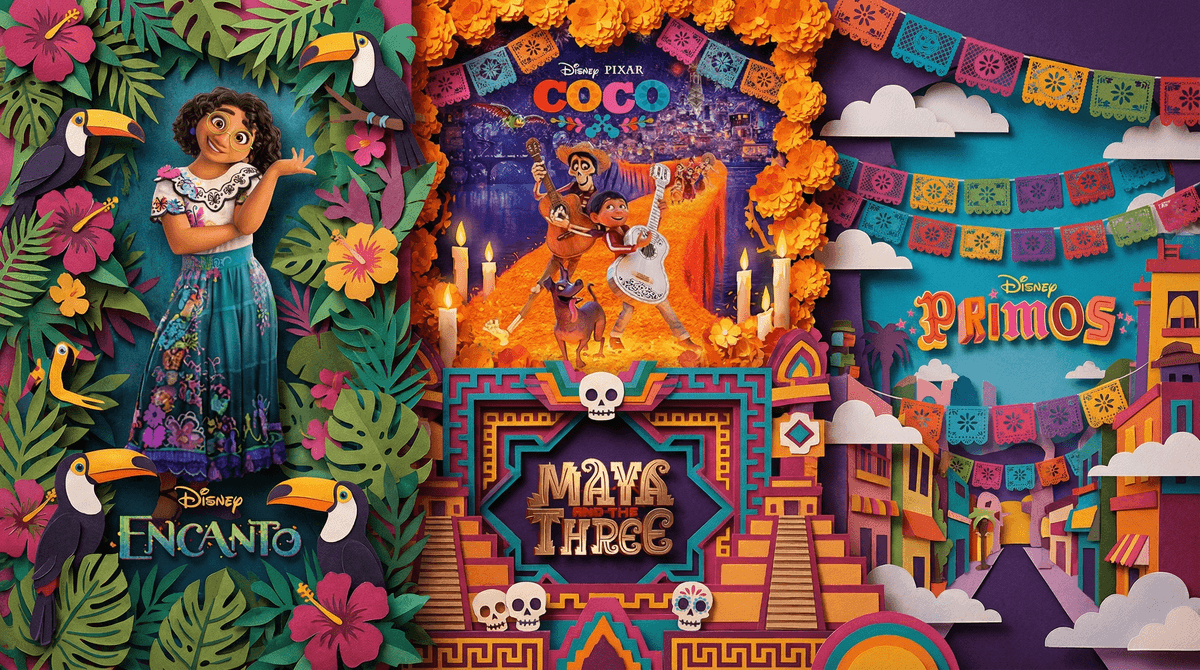
Maya and the Three (Netflix) is a limited series that's absolutely stunning—inspired by Aztec, Maya, and Inca mythology with gorgeous animation and a kickass protagonist. It skews a bit older (maybe 7+) due to some intense battle scenes, but it's a visual feast.
For Older Kids (Ages 8-14)
The Casagrandes (Paramount+) is a spinoff of The Loud House focusing on Ronnie Anne and her big, multigenerational Mexican-American family in the city. It's funny, heartfelt, and nails the experience of growing up in a tight-knit Latino family where everyone's in your business.
Victor and Valentino (Cartoon Network/Max) follows two brothers spending summer with their grandma in Mexico, encountering creatures from Mexican folklore. It's got that Adventure Time vibe—quirky, funny, occasionally spooky—and treats Mexican legends with genuine respect and creativity.
Primos (Disney Channel) is Disney's newest entry, following Tater, a girl whose summer plans get derailed when her 12 primos move in. It's chaotic, relatable, and celebrates the beautiful messiness of big Latino families. Fair warning: it had some initial controversy over the theme song's use of certain terms, but Disney addressed the feedback.
Encanto isn't a series, but the movie is so rewatchable it basically functions as one in most households. Colombian culture, magical realism, generational trauma, and bangers by Lin-Manuel Miranda—what's not to love?
The Nuanced Stuff
Coco (also a movie, I know) is the gold standard for how to honor Mexican culture—specifically Día de los Muertos—with depth, beauty, and authenticity. Pixar worked extensively with cultural consultants, and it shows.
The Legend of the Three Caballeros (Disney+) is a weird, fun reboot featuring Donald Duck, José Carioca (Brazilian), and Panchito Pistoles (Mexican) on adventures. It's not the most culturally deep, but it's entertaining and celebrates Latin American characters as heroes.
Not all representation is created equal. Here's what separates the good from the tokenism:
Language integration: Does the show incorporate Spanish naturally, or does it feel forced? The best shows let characters code-switch or speak Spanish in context without making it a teaching moment every time.
Cultural specificity: Does the show acknowledge that Mexican, Puerto Rican, Colombian, and Salvadoran experiences are different? Or does it treat "Latino" as one homogenous thing?
Behind-the-scenes representation: Who's writing, directing, and voicing these characters? Shows created by Latin American writers and featuring Latino voice actors tend to feel more authentic.
Avoiding stereotypes: Are the characters fully realized people, or are they just walking clichés? Do they have interests, flaws, and storylines that go beyond their cultural identity?
Representation in animation has come a long way, and there are genuinely excellent shows featuring Latin American characters that your kids will actually enjoy—not just tolerate for the "educational value."
For Latin American families, these shows can be a source of pride and connection. For all families, they're an opportunity to normalize diversity and expand your kids' worldview in a way that feels natural and joyful.
The key is choosing shows that treat culture with respect and specificity, not as a costume or a gimmick. When done right, these shows don't just represent—they celebrate.
Start with what resonates: Pick a show that aligns with your family's background or interests. If you're Mexican-American, Coco and Victor and Valentino might hit home. If you want something that celebrates big family dynamics, try The Casagrandes or Primos.
Watch together: Use these shows as conversation starters. Ask your kids what they notice, what feels familiar, what's new to them.
Explore beyond the screen: If a show sparks interest in a holiday, tradition, or myth, dig deeper together. Make pan dulce, read about La Llorona, or learn more about Día de los Muertos beyond the movie version.
And if you're looking for more diverse media recommendations—whether animation, books, or games—Find diverse media recommendations for kids to find what fits your family best.