The "Citizen Kane" of the Mushroom Kingdom
If your kid is obsessed with Mario Wonder or spends their weekends building levels in Mario Maker, they owe a debt to this specific pile of pixels. But playing Donkey Kong today is less like playing a game and more like watching a silent movie. You recognize the tropes—the jumping, the damsel, the big bad—but the pacing feels like it's from another planet.
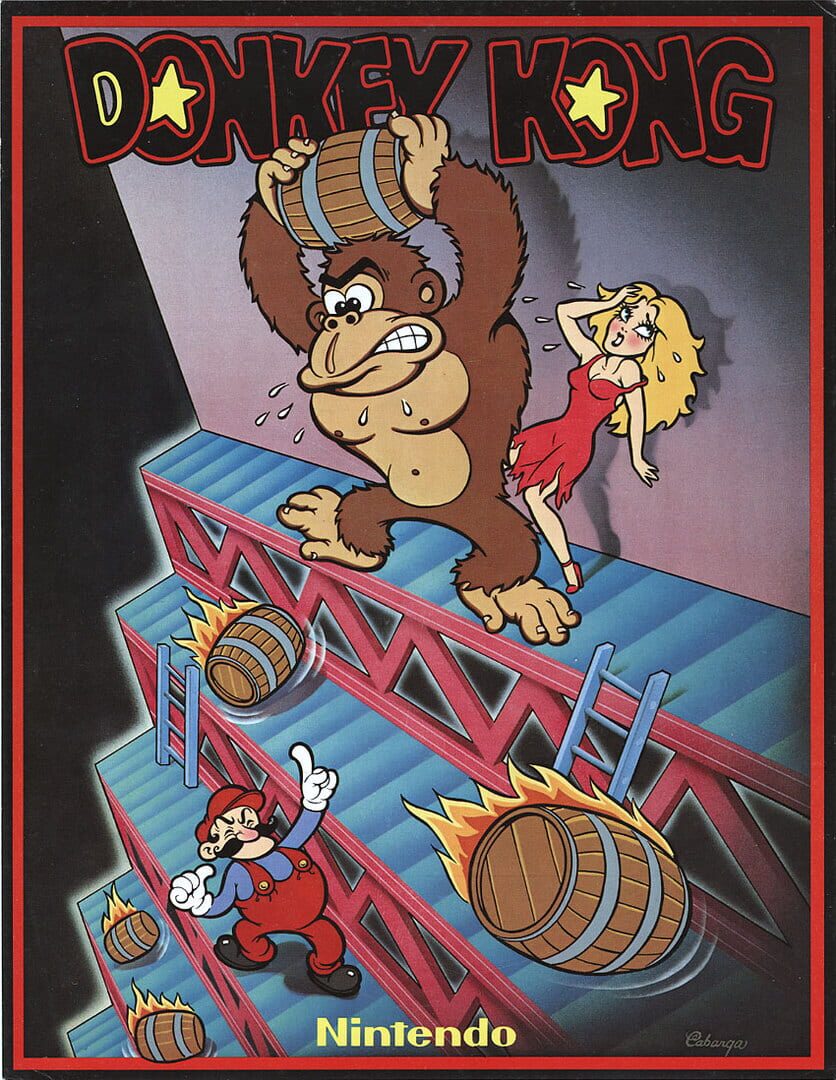
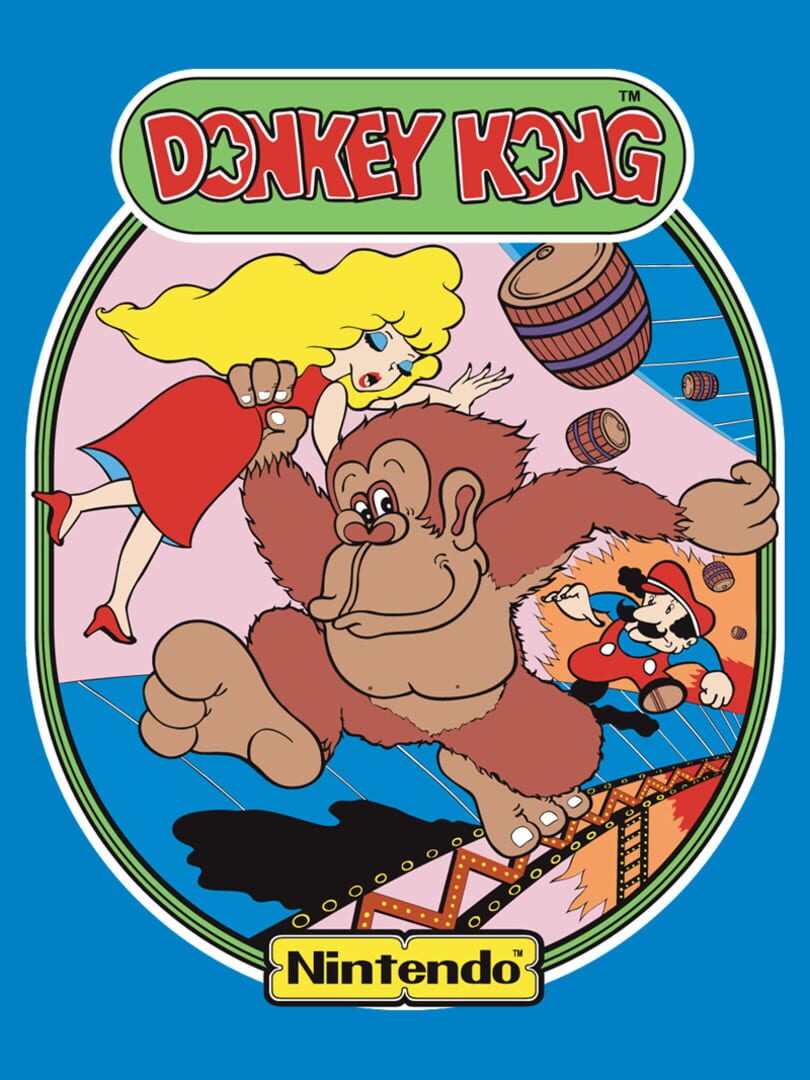
In 1981, this was a revolution because it actually had a story. Most games back then were just "shoot the dots until you die." Here, you have a clear motivation: save Pauline. It’s the first time Nintendo really flexed its muscles in character design, even if Mario was still called "Jumpman" and looked like a vibrating red smudge. If you want to show your kid where the entire platformer genre started, this is the ground zero moment.
The "Arcade Hard" reality check
The biggest hurdle for a modern kid isn't the graphics; it's the physics. Modern Mario is floaty and forgiving. In the 1981 original, Jumpman is heavy. If you fall a distance slightly taller than your own head, you die. If you touch a stray pixel of a rolling barrel, you die. There are no checkpoints, no power-ups (besides the temporary hammer), and no "easy mode."
This is a great chance to talk about the history of classic arcade games and why they were designed this way. These games weren't built to be "beaten" in an afternoon; they were built to eat quarters. When your kid gets frustrated after three minutes, you can explain that the frustration was actually a business model.
Four levels and a cloud of dust
Most people remember the first level with the slanted girders and the barrels. That’s the icon. But there are actually four distinct stages: the construction site, the cement factory, the elevators, and the final rivet-pulling showdown.
The "rivet" level is actually the most interesting for a kid who likes puzzles. Instead of just reaching the top, you have to run over specific yellow plugs to make the structure collapse. It’s a primitive version of the "boss fight" mechanics we see today.
How to play it without the salt
Don’t expect a kid to sit down and play this for an hour. They won't. Instead, treat it like a challenge.
- Set a timer for 15 minutes.
- See who can get the highest score or who can actually reach the second level (it’s harder than it looks).
- Point out the "cutscenes"—those tiny moments where Donkey Kong climbs the ladder with Pauline.
By framing it as a historical artifact rather than a primary entertainment source, you avoid the "this is boring" complaint. It’s a 1980s time capsule. Use it to bridge the gap between their 4K adventures and the era when "jumping over a barrel" was the most high-tech thing on the planet.