The next step in the Dino-verse
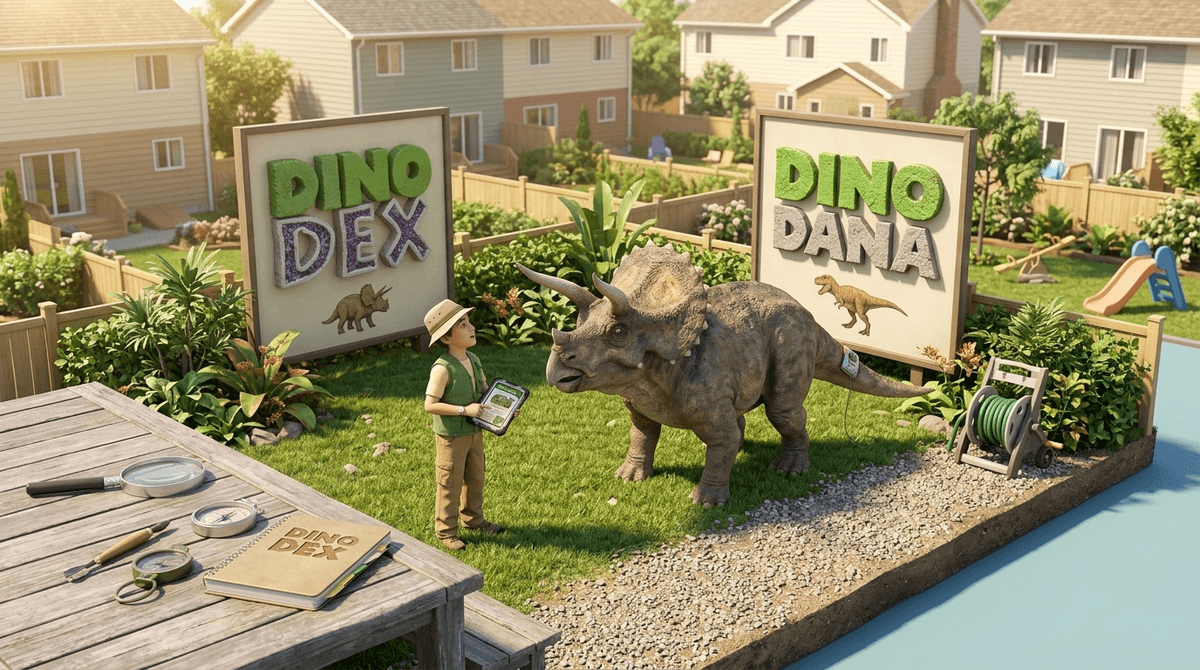
If your household has already cycled through every episode of Dino Dan and Dino Dana, you know the formula: a kid with a singular obsession sees prehistoric creatures in the middle of a modern suburb. Dino Dex doesn't break that mold, but it refines it. While the previous iterations leaned heavily on the "kid scientist" trope, Dex brings a sketchbook-and-pencil energy to the table.
By making Dex an artist as much as a "paleontologist in training," the show manages to hook the kids who might find straight biology a bit dry. It’s a smart pivot. It moves the series away from just memorizing Latin names and toward the actual observation of behavior. If your kid is the type to spend hours drawing in the dirt or "cataloging" bugs in the backyard, this is going to be their new obsession.
Why the "magic" works
The magic field guide is the central gimmick, and it’s handled with more visual flair than you might expect from a show streaming on Prime Video. It bridges the gap between the real world and the CGI dinosaurs in a way that feels tactile. When Dex uses the guide to "see" a dinosaur, it doesn’t just pop into existence; it feels like he’s uncovering a hidden layer of reality.
This isn't just mindless monster-of-the-week content. The show is genuinely interested in questioning what we think we know about these animals. It’s one of the best shows for 9-year-olds about evolution because it focuses on adaptation and updated scientific theories—like feathers and social nesting—rather than the outdated "scary lizard" tropes from older media.
Managing the roar factor
Common Sense Media tags this as 2+, but that feels like a stretch unless your toddler is exceptionally chill. The dinosaurs here have weight. When they roar or snap at the camera, it’s designed to be immersive. For a five-year-old, that’s a thrill; for a three-year-old, it might be a reason to hide under the couch.
The friendship between Dex and his neighbor Kayla is the emotional anchor that keeps the "scary" parts grounded. They model a collaborative way of solving problems that isn't overly saccharine. They disagree, they test different theories, and they change their minds when the evidence changes. It’s a great example of how the show sparks backyard science by encouraging kids to treat their own neighborhoods like a field site.
If they like "Wild Kratts" or "StoryBots"
Dino Dex sits right in the middle of those two extremes. It’s more grounded and "real-world" than StoryBots, but it has more narrative heart than the typical Wild Kratts episode. It’s the perfect bridge for a kid who is starting to outgrow the purely animated "educational" shows but isn't quite ready for the intensity of a big-budget nature documentary.
The IMDb score of 8.2 is a solid indicator that it’s hitting the mark for its target audience. It respects the intelligence of its viewers without getting bogged down in jargon. If you need 20 minutes of peace while your kid learns the difference between a scavenger and a predator, this is the gold standard for 2024.