The puzzle box effect
Most World War II books for teens feel like a museum tour, but this one feels like a trap. It’s a puzzle box disguised as a confession. The first half is written by "Verity," a British spy held in a Nazi-occupied hotel, scribbling her secrets on sheet music and stationery in exchange for her clothes and a few more hours of life.
If your teen starts this and complains that it’s slow or confusing, tell them to push. The technical details about wireless sets and Bristol Blenheim bombers aren't just fluff. Wein is setting a trap for the reader. When the perspective shifts in the second half, every boring detail from the first 100 pages suddenly snaps into place. It’s a masterclass in the unreliable narrator trope that makes the eventual payoff feel earned rather than manipulated.
Friendship without the fluff
The bond between Verity (the spy) and Maddie (the pilot) is the heartbeat of the book. It’s refreshing because it completely bypasses the typical YA "love triangle" or shoehorned romance. This is a story about two women who are excellent at their jobs and would quite literally die for each other.
It’s a "love story" in the purest sense, focused on fierce loyalty and the shared trauma of war. For kids who are tired of every female lead being defined by which boy she likes, this is the antidote. It portrays female friendship as something heroic, gritty, and permanent.
Managing the "brutal" factor
The word "torture" shows up in every review, but it’s important to know how Wein handles it. She doesn't lean into the gore for shock value. Instead, she focuses on the psychological erosion of being a prisoner. Verity describes being tied to a chair or the "physicality" of her interrogation, but the real horror is her internal struggle with the feeling that she is a coward for talking at all.
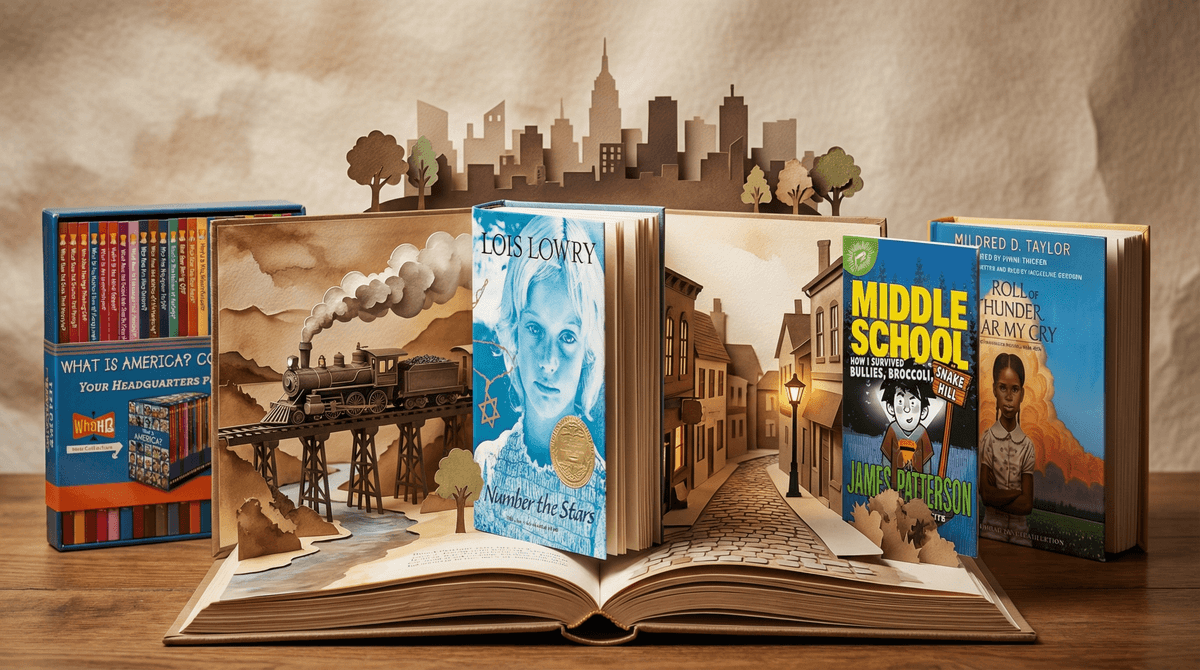
If your kid grew up on the relatively safe world of historical fiction for kids like Number the Stars, this is the "level up" book. It doesn't sugarcoat the fact that the Gestapo were monsters. It’s a heavy lift, but for a 14 or 15-year-old, it provides a necessary transition into adult historical themes.
If they want more
Once they finish the bonus chapter in this edition and inevitably need to talk about that ending, you have a few directions to go. If they loved the spycraft and the "puzzle" aspect, they’re ready for more complex narratives. If they want something even more grounded in the visceral, messy reality of female spies, check out our parent's guide to Code Name Hélène. That one leans further into the "R-rated" reality of the resistance, but it’s the natural next step for a reader who conquered Verity.