The Flip of the Script
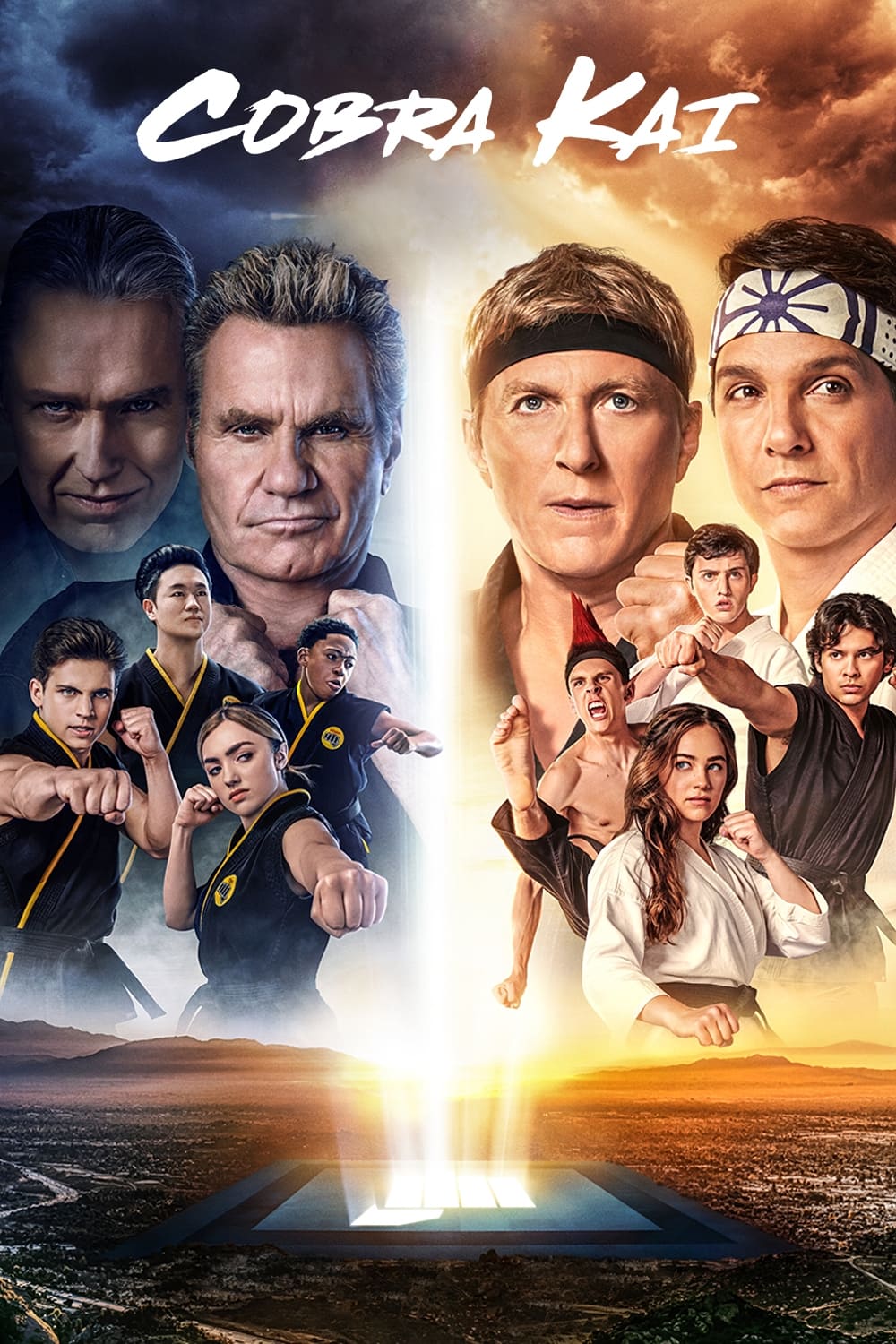
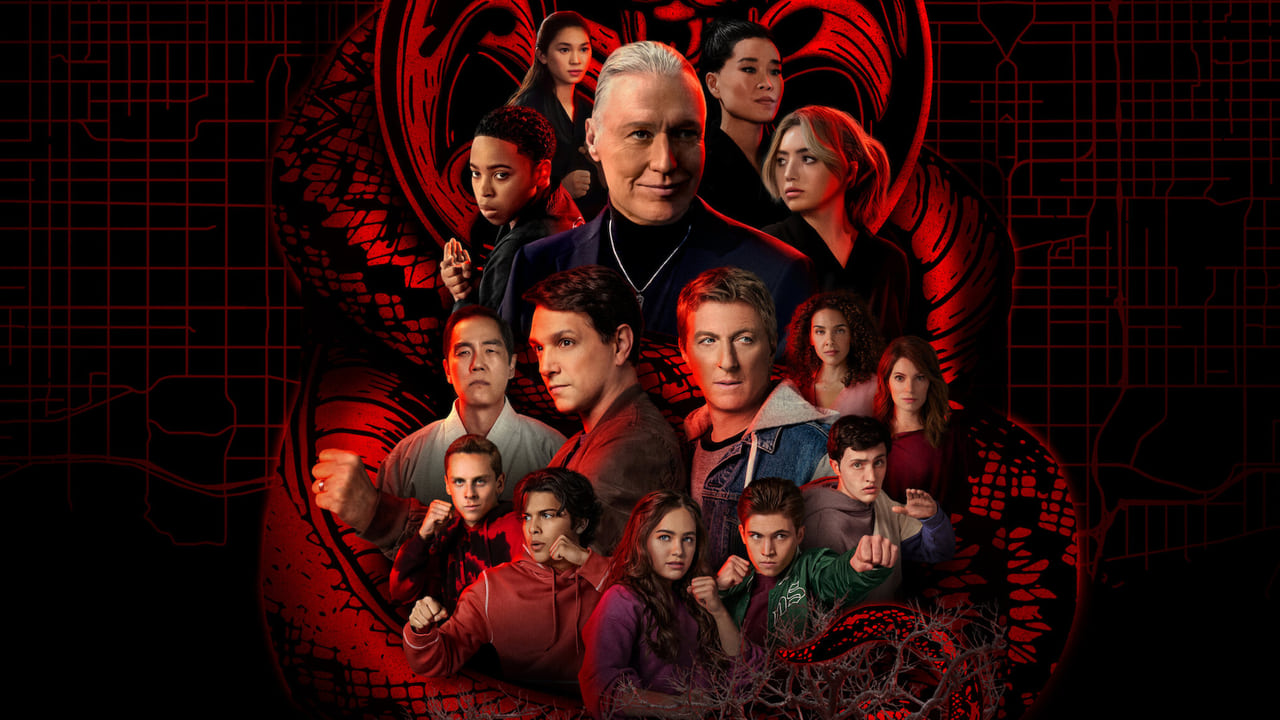
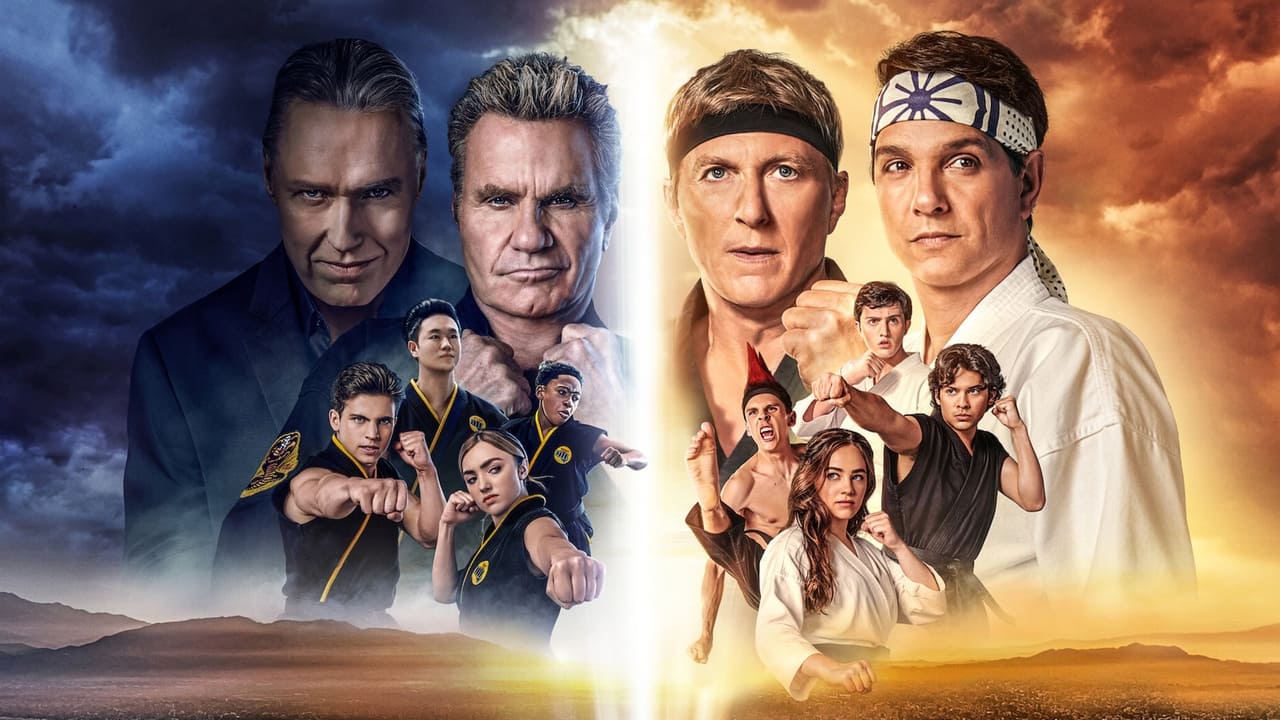
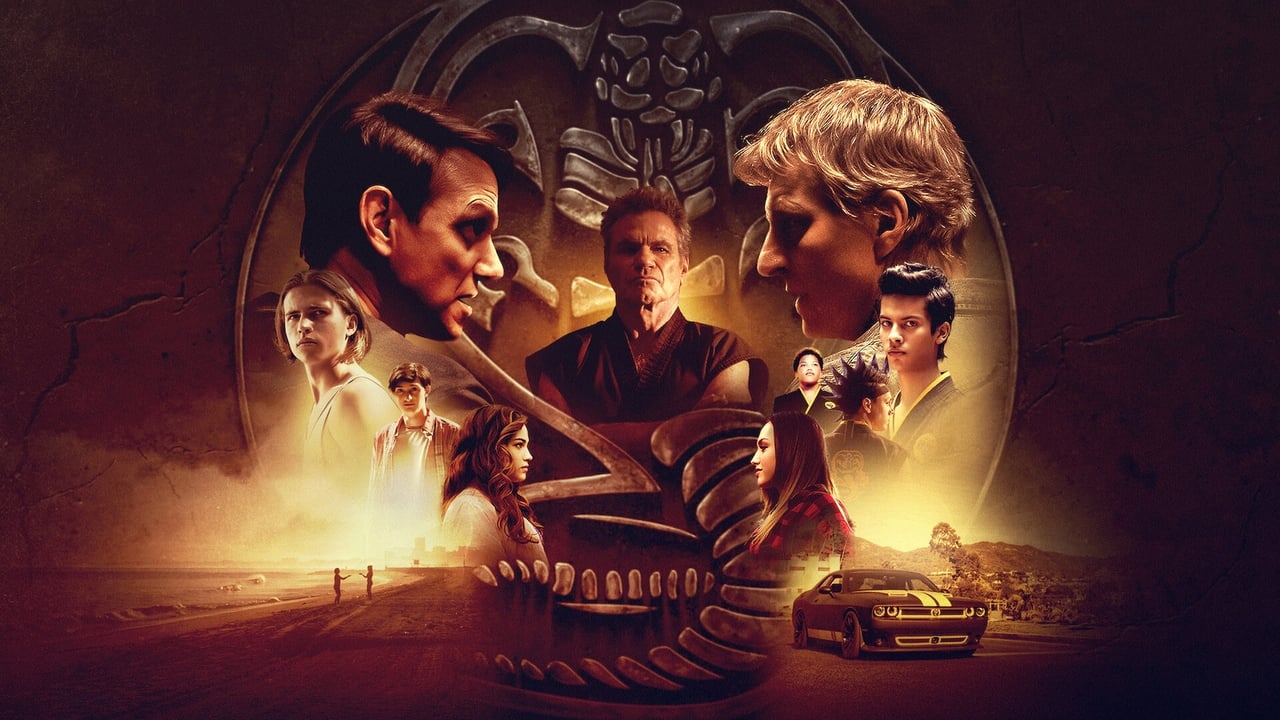
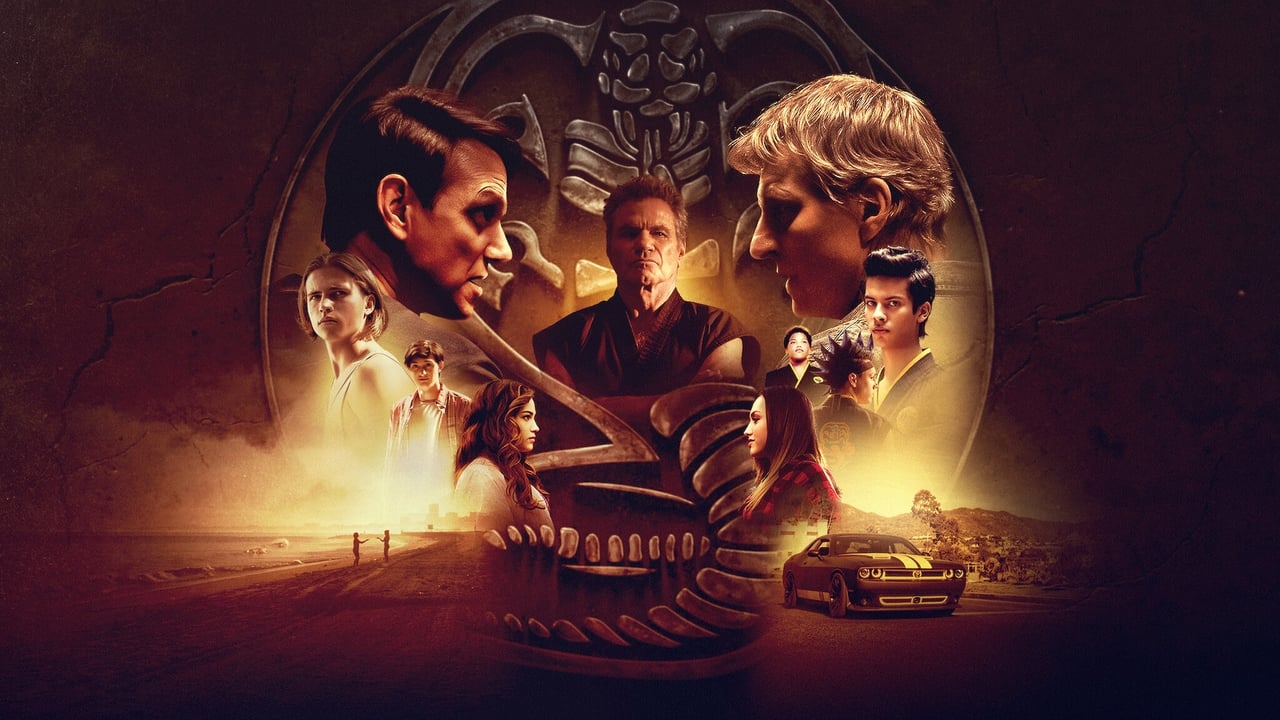
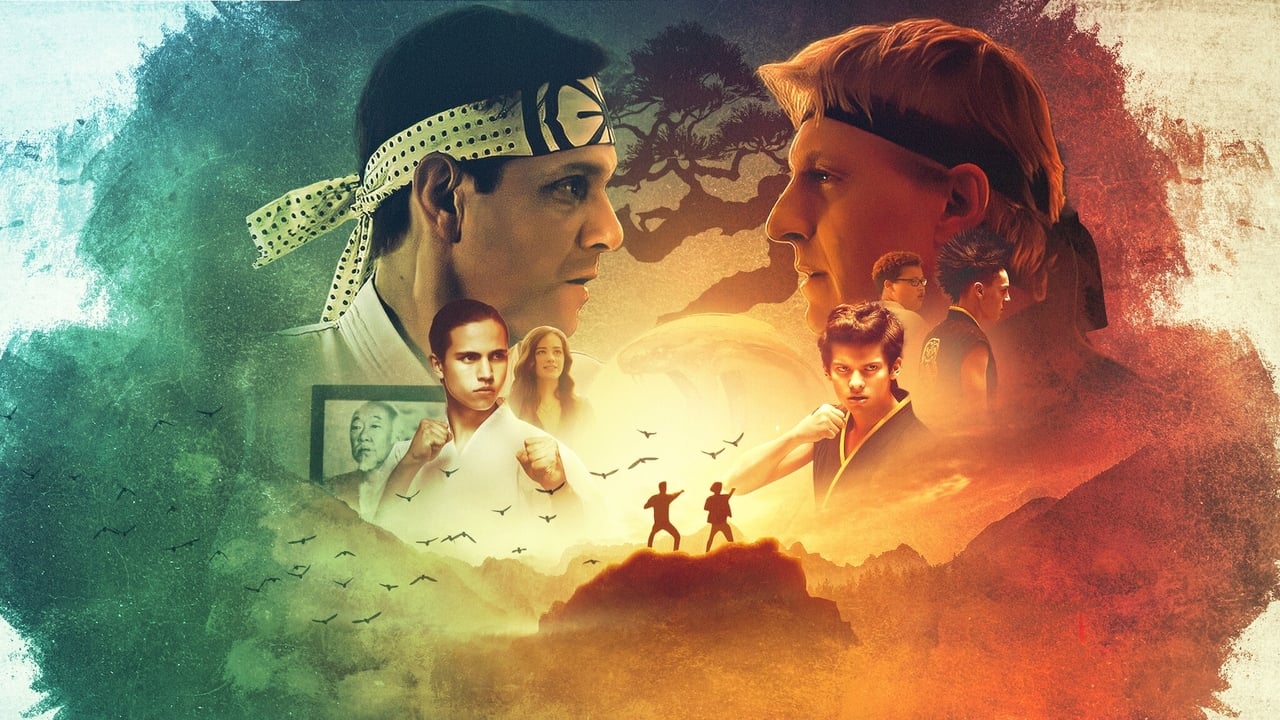
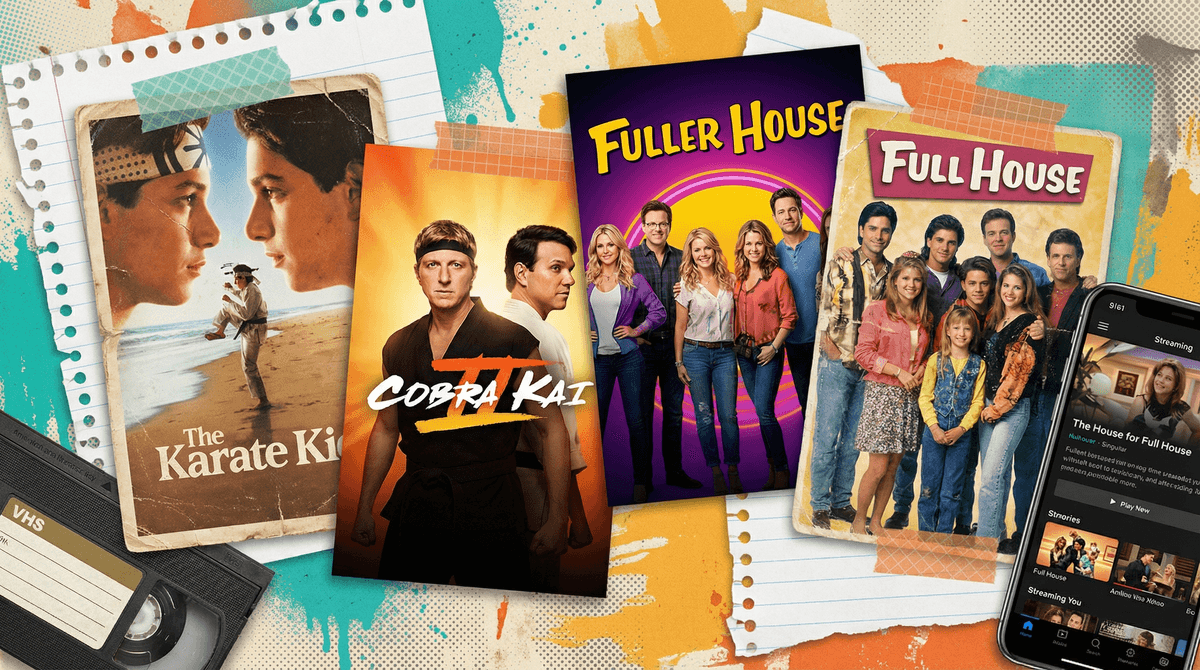
The genius of Cobra Kai isn't just that it brought back the original actors; it’s that it fundamentally interrogates the hero-villain dynamic we all grew up with. By starting the story from Johnny Lawrence’s perspective—a guy who peaked in high school and is now a beer-swilling handyman—the show forces viewers to reconsider everything they thought they knew about the 1984 All Valley Tournament.
For a teen audience, this is a masterclass in perspective. It moves beyond the binary of "good guys" and "bad guys" to show how even well-meaning people like Daniel LaRusso can be petty, elitist, and blind to their own privilege. If your kid is starting to outgrow the simple moral arcs of Disney or Nickelodeon, this is a great bridge into more complex storytelling. It’s worth revisiting the 1984 classic together first, not just for the context, but to see if your kid actually spots the moments where Daniel might have been the instigator.
When the Karate Becomes a Riot
While the first season feels like a grounded dramedy about a washed-up athlete, the stakes escalate with every season. By the time you hit the later arcs, the rivalry moves from "kids arguing in a cafeteria" to "full-scale high-school-wide brawls" and international tournaments. The violence is stylized and impressive, but it eventually loses the "self-defense" justification.
Characters get hospitalized. Homes are destroyed. The show occasionally struggles to reconcile its "karate is for discipline" message with its "karate is a way to solve literally every social problem" reality. If you’re browsing the best action series to stream, you’ll find Cobra Kai sits in a weird middle ground—it’s funnier than a gritty thriller but significantly more brutal than a typical teen drama.
The Nostalgia On-Ramp
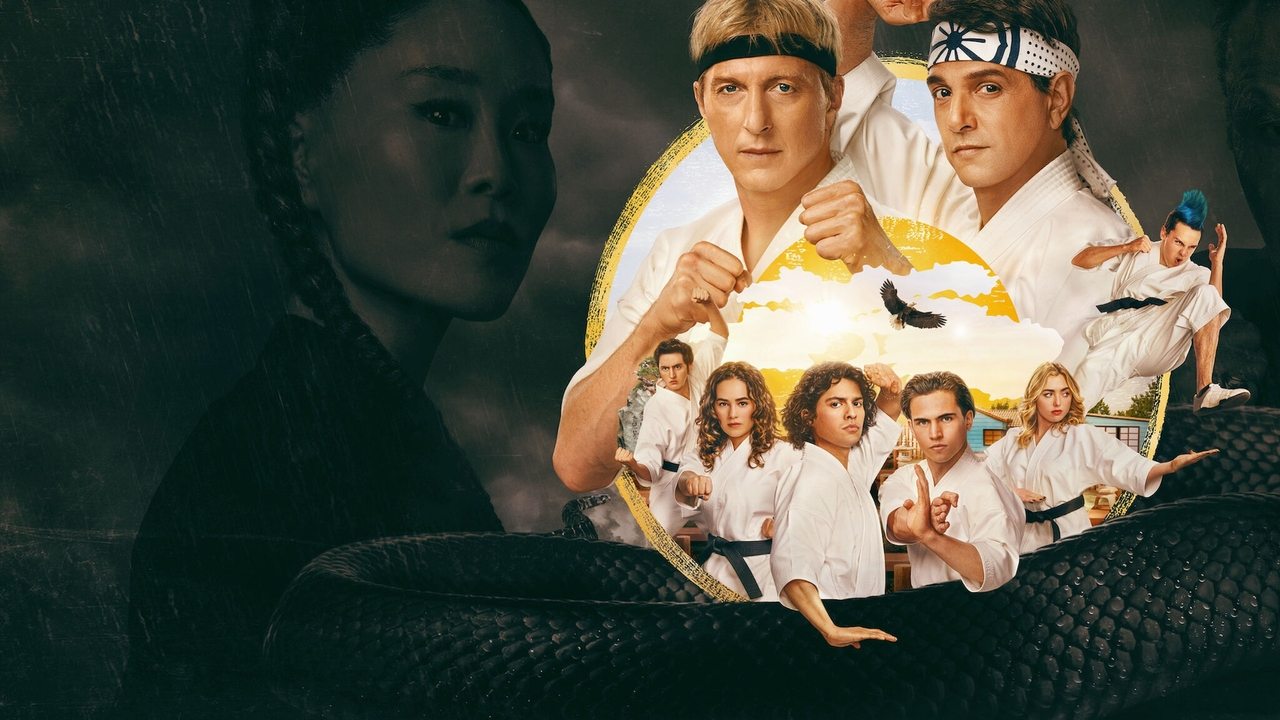
There is a specific reason your teen is likely asking to watch this: the 80s nostalgia trend. Between the synth-heavy soundtrack and the retro training montages, the show taps into a vibe that Gen Alpha finds fascinating. It also features a cast that bridges the gap between generations, including a notable turn from former Disney star Peyton List, who pivots from her "Jessie" roots into a much darker role as Tory Nichols.
"Strike First. Strike Hard. No Mercy."
That mantra is the show's heartbeat. It’s designed to sound cool, and the show spends a lot of time showing how that mindset can give a bullied kid confidence. However, it also shows how that same mindset turns those kids into the very bullies they hated. It’s a circular trap.
The Binge Calculus
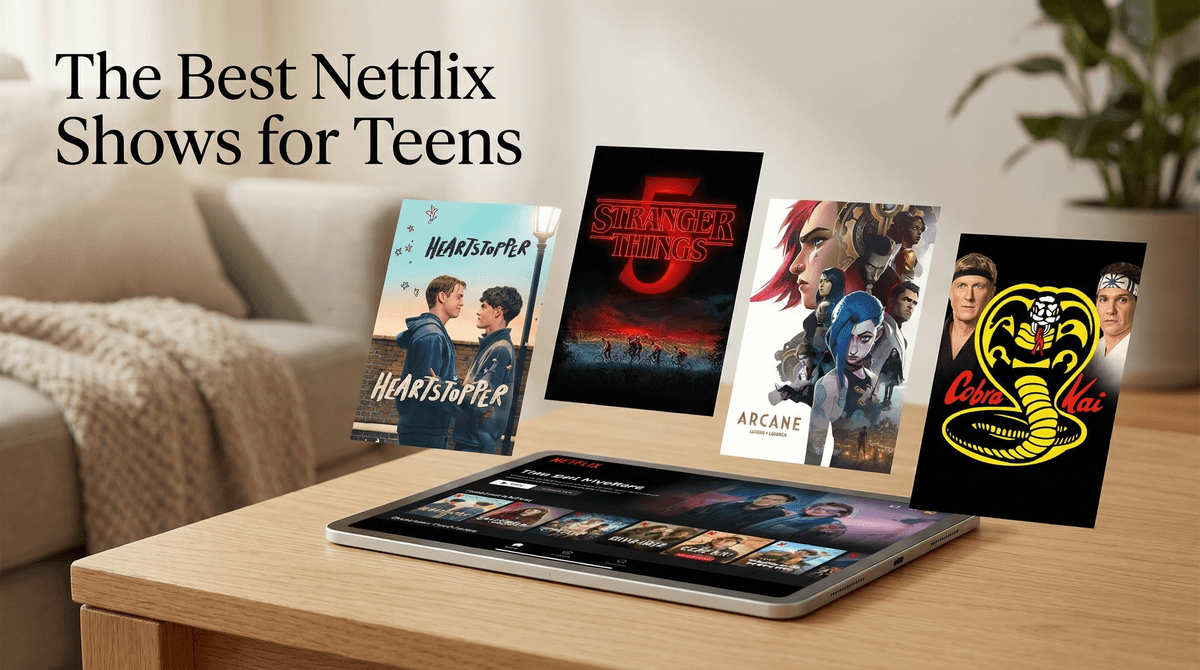
Because this is a Netflix staple with high production values and a massive fan base, your teen will likely want to power through seasons in a single weekend. The cliffhangers are aggressive. Given the mature themes—underage drinking, some fairly creative cursing, and the aforementioned hospital-grade injuries—it’s a good idea to check your Netflix parental controls to make sure they aren't stumbling into the show's more intense moments before they're ready.
If they finish this and want more, you can steer them toward the 2010 Karate Kid for a different take on the underdog story, or keep an eye out for the newer movies that continue to expand this universe. Just be prepared for them to start asking if you can buy a heavy bag for the garage.