In the twenty years since it hit theaters, Borat has transformed from a shocking comedy into a historical artifact of a very specific era of American culture. If your teen is lobbying to watch this on Hulu, they probably aren’t doing it because they’re interested in 2006 geopolitical satire. They likely know it as the source of a dozen ancient memes or they’ve seen clips of Sacha Baron Cohen’s later, even more confrontational work.
But there is a massive gulf between "funny guy with a mustache" and the actual experience of sitting through this movie.
The "Prank Culture" Trap
Most kids today are raised on a diet of YouTube and TikTok "social experiments" where creators prank strangers for engagement. Because of that, they might think they’ve seen everything Borat has to offer. They haven't.
Unlike a modern prankster who just wants a reaction, this film is designed to trap people into revealing their darkest impulses. It’s a surgical strike on polite society. While the critical acclaim (a massive 89 on Metacritic) is tied to how brilliantly it exposes prejudice, that nuance is often lost on younger viewers. To a teenager without a firm grasp of irony, Borat’s "character" can easily be mistaken for the joke itself, rather than the mirror he's holding up to the people he meets.
The Friction Point: It’s Not Just "Crude"
We often use the word "crude" to describe comedies like The Hangover, but Borat operates on a different level of visceral discomfort. The "What to watch for" bullet about the wrestling scene isn't an exaggeration. It is a long, sustained, and intentionally repulsive sequence involving full-frontal male nudity that is meant to make the audience want to look away.
If you are considering letting an older teen watch this, you need to know that the movie doesn't just push boundaries—it tries to break them. The humor relies on the audience being "in" on the joke, which requires a level of media literacy that most 14- or 15-year-olds are still developing. If they don't get the satire, they’re just watching a man be incredibly offensive for 84 minutes.
How to Handle the "Must-See" Status
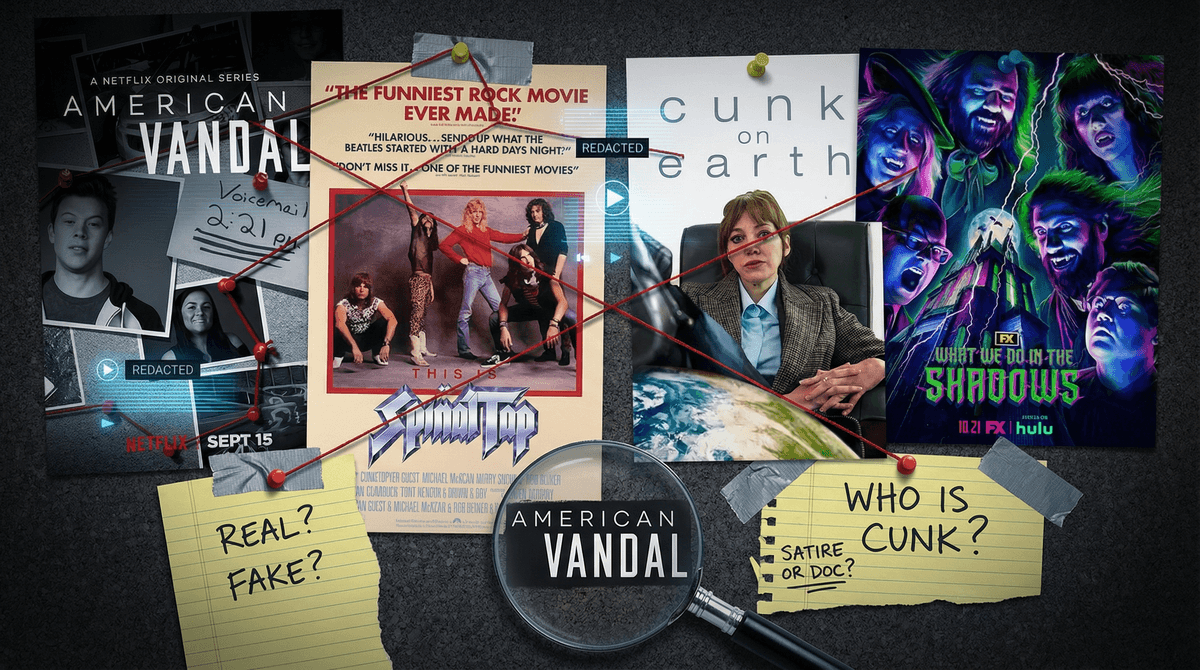
If your kid is genuinely interested in the genre, don't start here. There are better entry points for Mockumentaries for Teens: When Fake Docs Teach Real Media Literacy that offer the same "is this real?" thrill without the extreme graphic content.
If you do decide they are mature enough, don't let them watch it alone. This is the ultimate "pause and talk" movie. When Borat gets a group of people to sing an offensive song in a bar, the question isn't "Why is he doing that?" but "Why are they singing along?" That distinction is the only reason to watch this movie in 2026. Without that conversation, it’s just a relic of shock-humor that hasn't aged as gracefully as its 90% Rotten Tomatoes score might suggest.