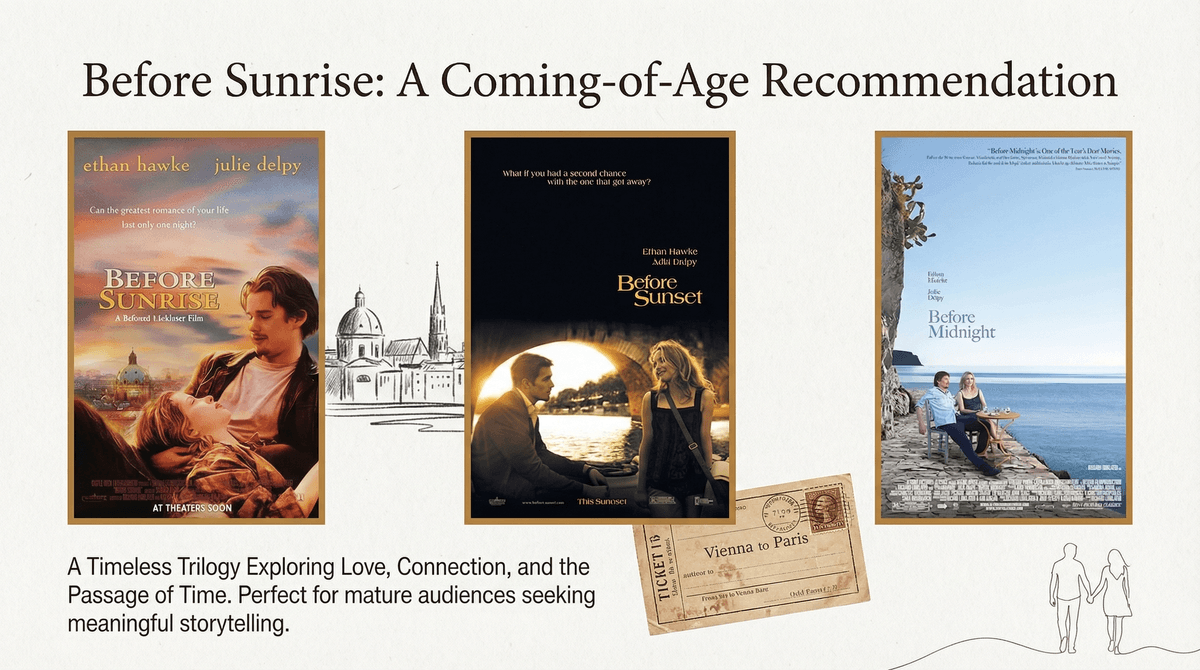
If Before Sunrise was the first date and Before Sunset was the "one that got away," Before Midnight is the morning after that lasts a decade. It’s a rare feat in cinema: a sequel that’s better because it’s harsher. By the time we catch up with Jesse and Celine in Greece, the "will they, won't they" tension has been replaced by the "how do we survive each other" reality of long-term partnership.
The beautiful, brutal pivot
The first two-thirds of the movie are deceptive. There’s a long, wandering dinner scene with friends that feels warm and intellectual—exactly what fans of this series expect. But the final act is a masterclass in psychological friction. The film moves into a hotel room and stays there, trapping the characters (and the audience) in an argument that feels less like a script and more like a transcript of your worst Tuesday night.
It’s uncomfortable because it’s accurate. They aren't fighting about big, cinematic betrayals; they’re fighting about the invisible labor of parenting, the resentment of sacrificed careers, and the way a partner knows exactly which buttons to press to cause the most damage. Critics have called it near-perfect for a reason. With a 98% on Rotten Tomatoes and a 94 on Metacritic, it’s objectively one of the best-reviewed films of its decade, but its honesty is what makes it stick.
The Linklater factor
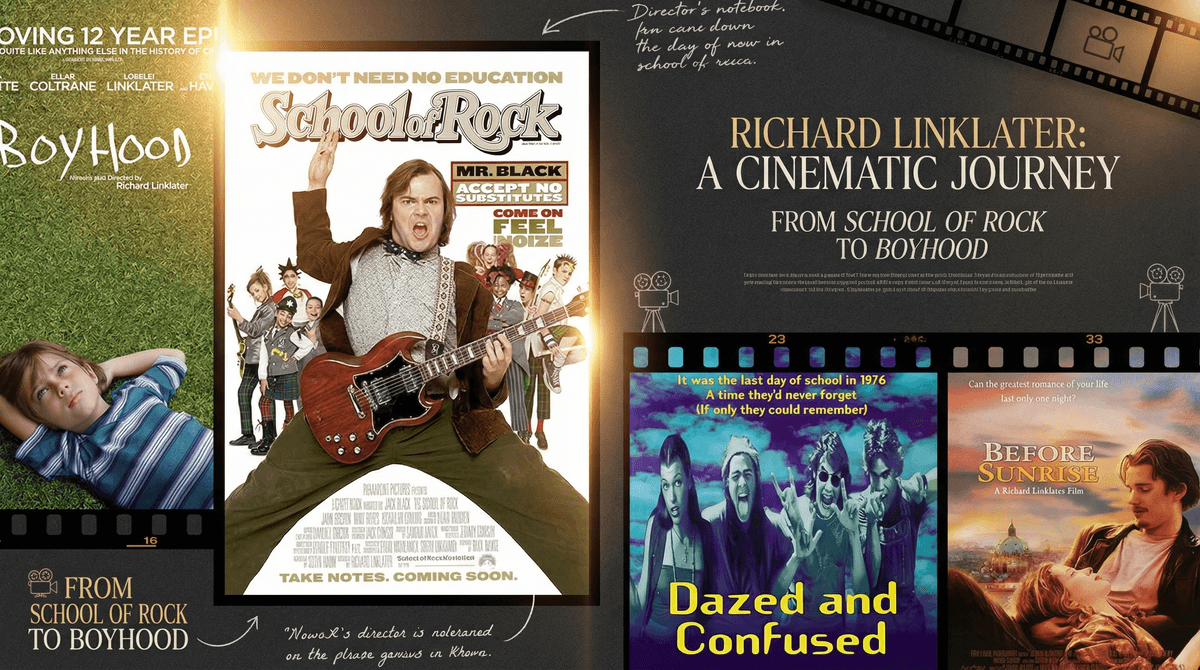
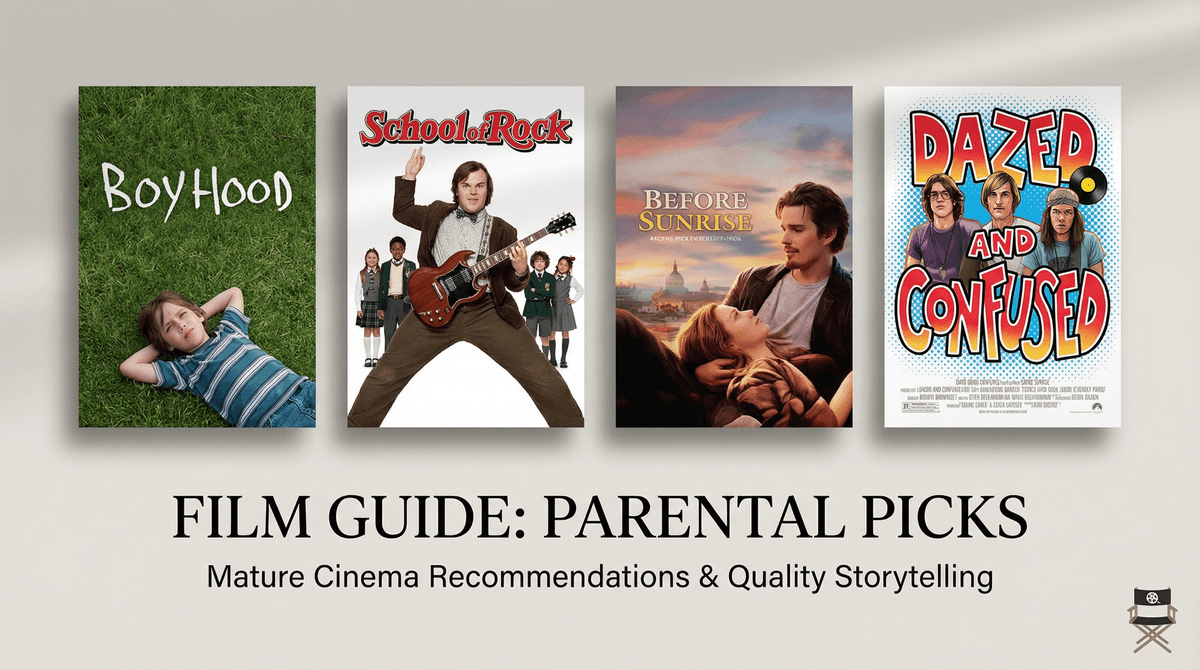
If you’ve seen other films by this director, you know he’s obsessed with how time changes people. This movie is the ultimate payoff of that obsession. However, his filmography is a bit of a minefield for parents. While he’s responsible for some of the best coming-of-age stories ever told, he doesn't clean them up for a PG audience. If you’re trying to figure out which of his other works might actually fit a family setting, check out our guide on The Linklater Problem: Why His Best Films Aren't Tween-Friendly.
Is there a "teen" angle here?
The verdict is right: this is an adult movie. Most 14-year-olds would find 100 minutes of talking boring. However, if you have an older teen who is a burgeoning cinephile or someone who caught the first two films and became invested in the characters, there’s an argument for letting them see the finish line.
Watching this trilogy can be a powerful way to deconstruct the "happily ever after" myth that most media feeds kids. If you’re considering using these films to talk about the reality of long-term commitment, we have a breakdown on how to use The Before Trilogy: Using Slow Cinema to Teach Teens About Real Relationships. Just be prepared for the fact that Midnight is significantly more explicit and cynical than its predecessors.
The takeaway
Don’t watch this looking for a romantic escape. Watch it for the recognition. It’s a movie that validates the exhaustion of the "middle years" of a relationship. It reminds you that even the most legendary romances eventually have to deal with the logistics of a car ride with sleeping kids in the back. It’s a tough watch, but for anyone who has ever wondered if they’re the only ones struggling with the "boring" parts of love, it’s essential.