The "Prestige TV" of the 19th century
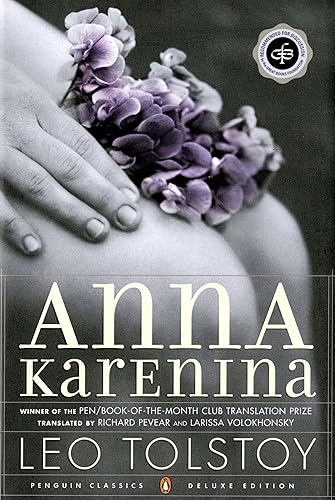
If you grew up thinking of Tolstoy as a dusty, slog-heavy requirement for a degree you didn't want, this specific 2004 Pevear and Volokhonsky translation is the one that might actually change your mind. It’s the version that famously landed on Oprah’s Book Club because it treats the text less like a museum piece and more like a high-stakes, visceral drama. While older translations tended to smooth out Tolstoy’s rougher edges to make him sound more "literary," this edition keeps the prose vigorous. It feels alive.
For a modern reader, the best way to think about Anna Karenina isn't as a "romance novel." It’s a sprawling, multi-season prestige drama. It has the social maneuvering of a political thriller and the psychological intensity of a character study that doesn't pull any punches. If your teen has already worked through the lighter fare in our guide to Classic Romance Books: Timeless Love Stories Worth Sharing with Teens, this is the "final boss" of that journey.
The Levin of it all
Everyone comes for the scandal—the doomed affair between Anna and Vronsky—but you stay for Levin. The book is built on a "dynamic imbalance" between two very different lives. While Anna is navigating the high-society hypocrisies of Moscow and St. Petersburg, a character named Levin is out in the country, literally obsessing over the best way to scythe a field of grass.
This is where most young readers (and plenty of adults) hit a wall. Tolstoy will stop the pulse-pounding drama of a failing marriage to give you twenty pages on Russian agricultural reform or the existential crisis of a man looking at the stars. These aren't "filler" chapters; they’re the soul of the book. But if you’re handing this to a student, you should prepare them for the fact that the book is just as interested in manure and philosophy as it is in secret letters and ballroom dancing.
Why the "Grade 8" label is a trap
You’ll see some publishers list this with a "Grade 8" reading level. Technically, that’s true—the vocabulary isn't particularly more complex than a modern YA novel. But the emotional weight is an entirely different story.
Reading Anna Karenina before you’ve experienced real-world compromise, the complexity of long-term commitment, or the social weight of "reputation" is like watching a masterclass in a language you only half-speak. You’ll get the plot, but you’ll miss the tragedy. This is a book about the "hypocrisies of society" and the slow-motion train wreck of a woman losing her agency.
If a kid loved the drama of The Great Gatsby or the social stakes of Pride and Prejudice, they might be ready to try this. But don't treat it as a "must-read" for middle schoolers just because they have a high Lexile score. Let them wait until they’re 17 or 18. The book won't go anywhere, and it’s much better when you have enough life experience to realize that none of the characters are purely heroes or villains. They’re just messy, which is exactly why it’s still the gold standard for fiction.