The "Percy Jackson" graduates
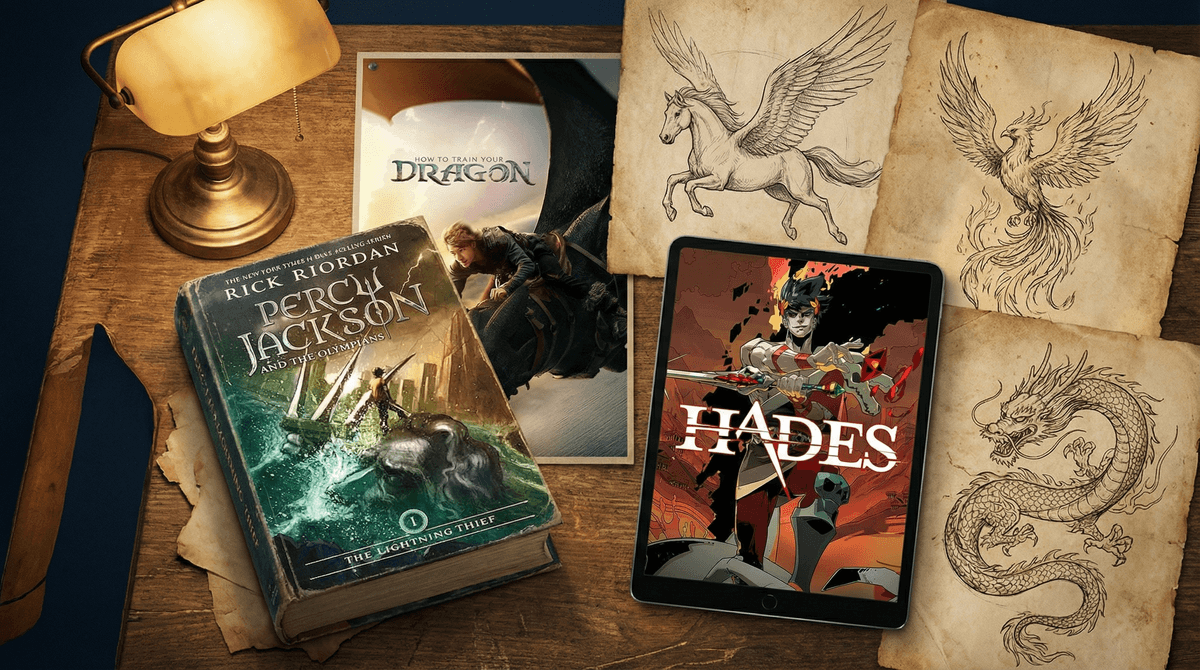
If your teen grew up on Rick Riordan, they likely have a mental map of Olympus that looks like a luxury penthouse. Gaiman takes that map and sets it on fire. American Gods is the natural, albeit much darker, destination for kids who spent their middle school years obsessed with the most fascinating impossible creatures and ancient lore. But where younger series treat mythology as a superpower, Gaiman treats it as a burden.
The gods here aren't throwing lightning bolts from the clouds; they’re running short cons in diner booths and working as funeral directors in small-town Cairo, Illinois. It’s a transition from the "chosen one" narrative to something much more cynical. Shadow, the protagonist, isn't a plucky hero. He’s a man who has lost everything and is just trying to figure out if anything in the world is actually real. For a sixteen-year-old who is starting to look at the world with a bit more skepticism, that shift feels incredibly honest.
The "Coming to America" vignettes
The backbone of the book isn't just Shadow’s road trip; it’s the "Coming to America" interludes. These short stories peppered throughout the novel explain how various gods arrived on these shores in the minds of immigrants. They are often the most beautiful—and the most disturbing—parts of the book.
These chapters don't shy away from the brutality of history. While the book is a fantasy, it shares a certain DNA with Richard Wright’s Black Boy in how it views the American landscape. It isn't a glossy travel brochure. It’s a place with a long, often violent memory where the dirt is soaked in the blood of people who were brought here against their will or who came here out of desperation. If your reader is used to history books that sanitize the immigrant experience, Gaiman’s visceral, supernatural take might be a shock to the system.
A different kind of pacing
If your teen is a fan of high-octane thrillers where every chapter ends on a cliffhanger, they might find the middle of this book a bit of a slog. Gaiman loves the atmosphere. He spends pages describing the specific, lonely feeling of a roadside attraction or the way the air smells before a storm.
It’s a "vibes" book in the best sense of the word. The plot eventually kicks into gear, but the joy of American Gods is the aimless wandering. It’s about the weirdness of the Midwest and the strange things people believe when they have nothing else left. It requires a certain amount of patience. If they can get past the slow burn, they’ll find a story that stays in their head long after they finish the final page.
How to handle the "Hard R" content
The graphic nature of this book is usually what sends parents to Google. It’s not just the swearing or the violence; it’s the surrealism of the adult content. The infamous "Bilquis" scene or the way certain gods interact with their followers is meant to be jarring. It’s not there for cheap thrills. It’s there to show that these ancient beings operate on a completely different moral compass than we do.
Instead of treating these moments as "skip-ahead" scenes, use them as a litmus test. If a reader is mature enough to understand that these moments are about power and belief rather than just being "edgy," they’re ready for the book. If they’re just looking for the dirty parts to show their friends, they’re probably going to miss the point of the whole story.