A Trip to the Moon

A Trip to the Moon

movie

U, 1902

WISE
82%

WISE Score

100

Avg. Tomatometer

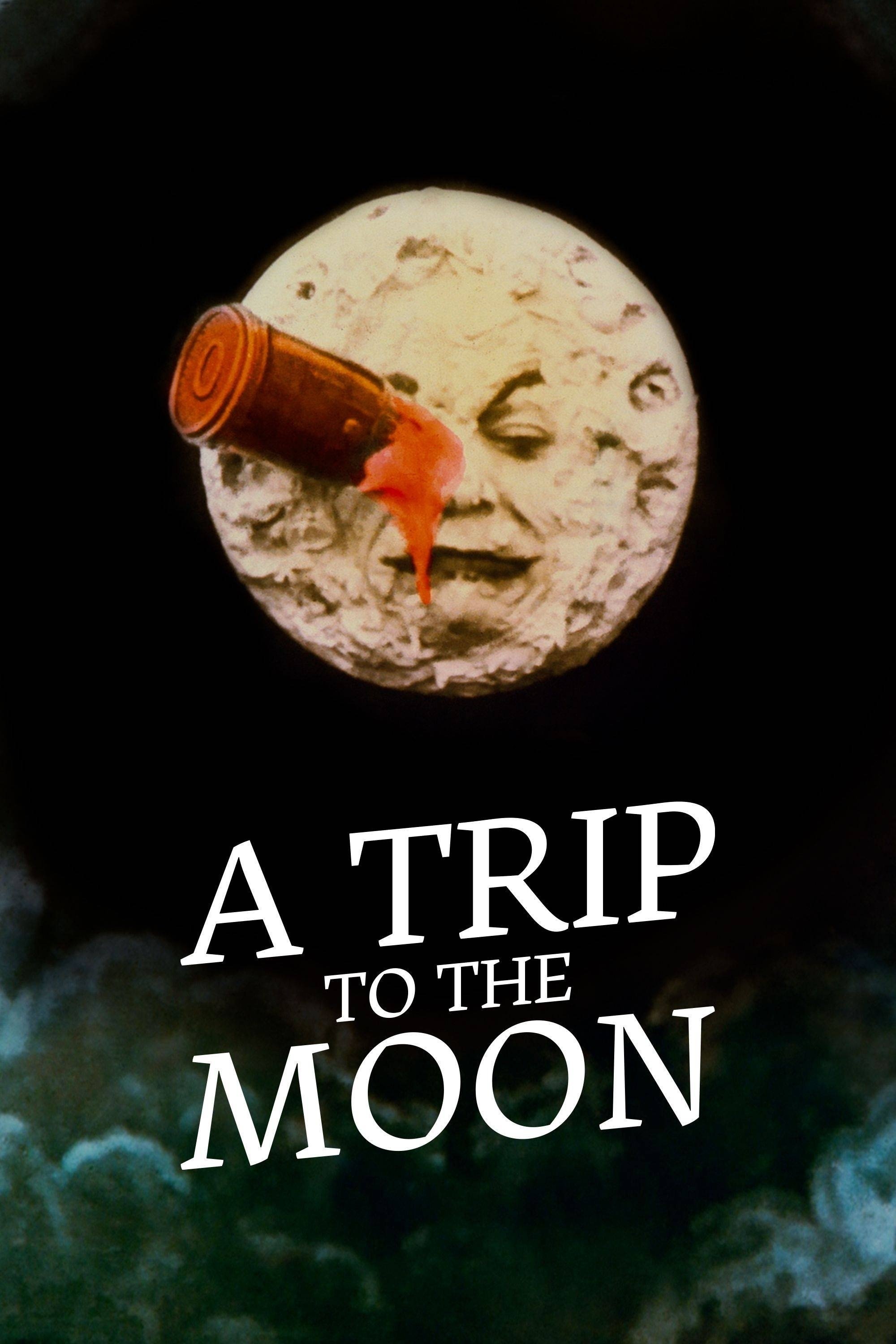
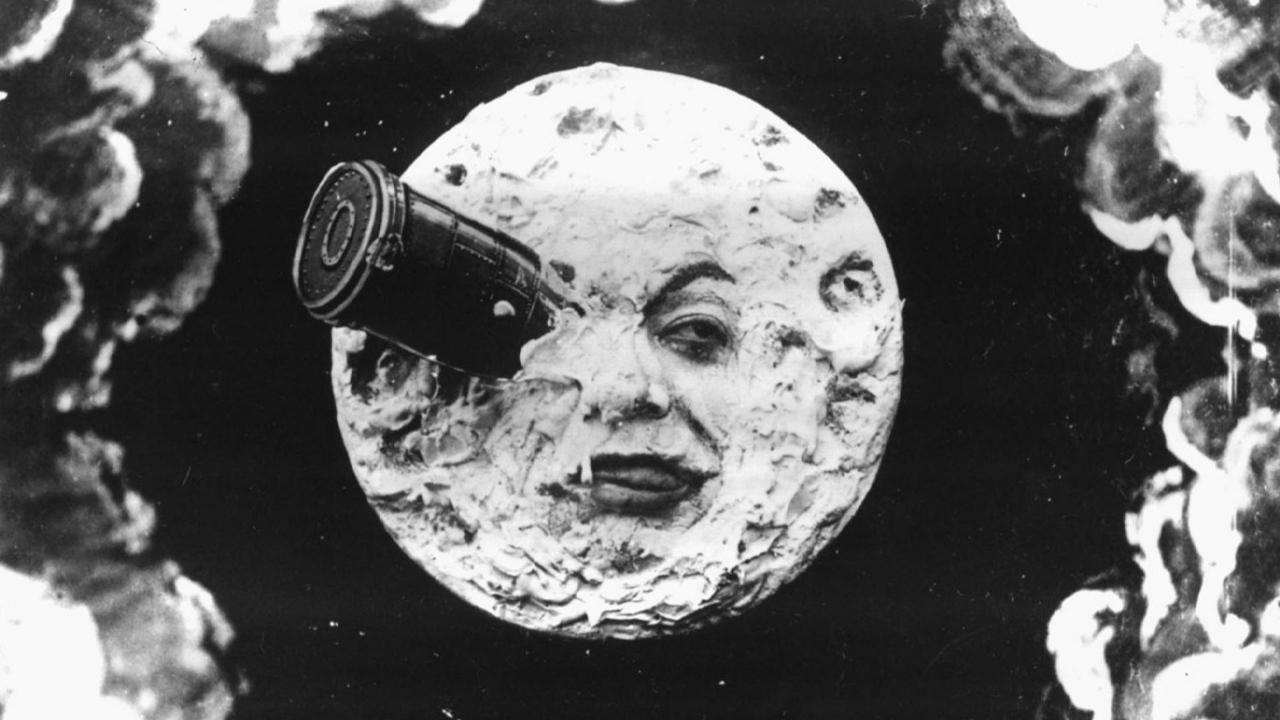
The original sci-fi fever dream where a bunch of Victorian nerds shoot a rocket into the Moon's literal eyeball.

IMDb8.1
RT Critics100%
Common Sense Media
Where to Watch
Loading streaming options...
Screenwise Verdict

A Trip to the Moon is a museum piece, but it’s a cool one. It’s the grandfather of Star Wars and Marvel, and at just 14 minutes, it doesn’t overstay its welcome.

Don’t expect your kids to sit through a three-hour silent epic, but this specific short is iconic for a reason. It’s weird, it’s vibrant, and it’s a great way to show them that imagination existed long before CGI.

Just be ready to do some 'live dubbing' or explaining since there's no talking. It’s more of a shared experience than a 'set it and forget it' movie.

Age Fit

Best for kids 7 and up who have the curiosity to watch something 'old.' Younger kids might get bored by the lack of dialogue, but the short runtime makes it a low-risk experiment.

WISE Breakdown
Wholesome
82

It's a whimsical, theatrical adventure about exploration. While the explorers are a bit aggressive with their umbrellas, the tone is purely fantastical and lighthearted.

Imaginative
100

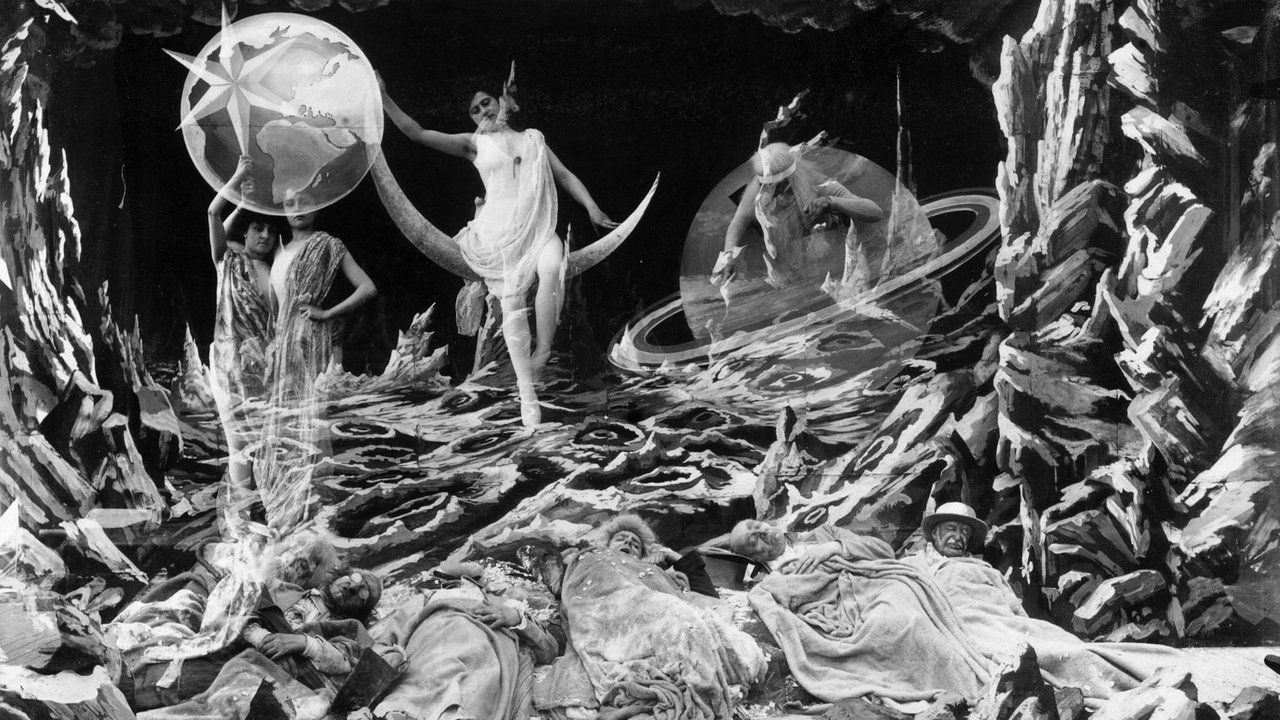
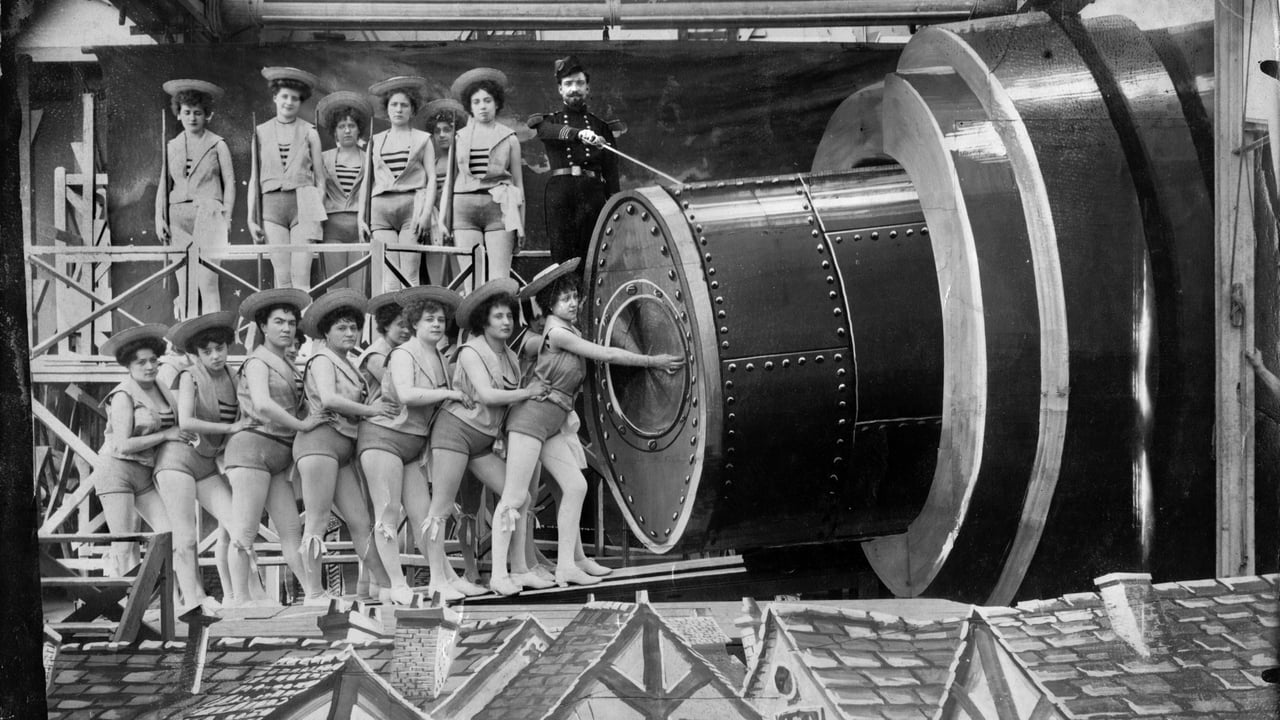
This is the blueprint for science fiction. The hand-painted sets, surreal lunar landscapes, and practical 'magic' tricks are still visually stunning over a century later.

Safe
90

Very safe, though the iconic rocket-in-the-eye moment is a bit 'body horror' for the Moon, and the moon-men (Selenites) vanish in puffs of smoke when struck.

Enriching
94

It's a masterclass in film history. It teaches kids that 'special effects' started with cardboard, paint, and clever editing, not just computers.

Parent Info

Why It Might Be Great

  • It’s only 14 minutes long, making it a perfect 'bite-sized' history lesson for kids with short attention spans.
  • The practical effects are charmingly low-tech and can inspire kids to try making their own 'magic' movies with basic props.
  • It’s a rare chance to see the very first aliens ever put on screen.
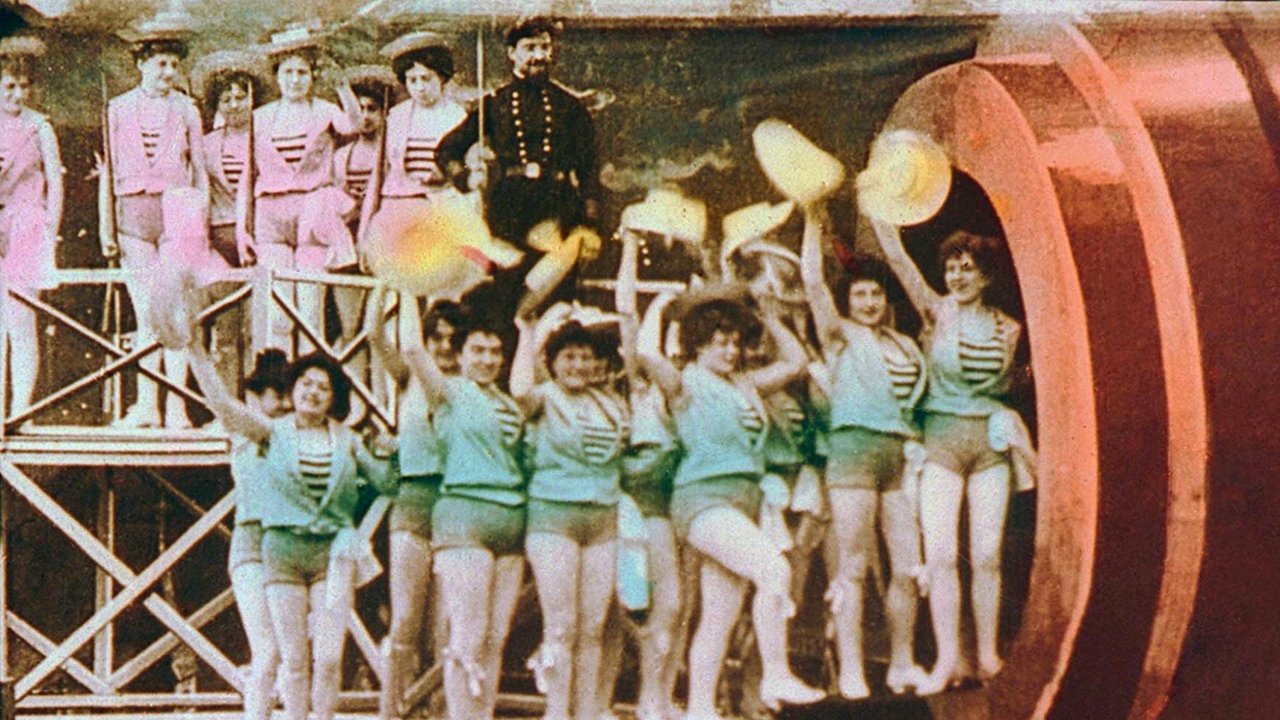
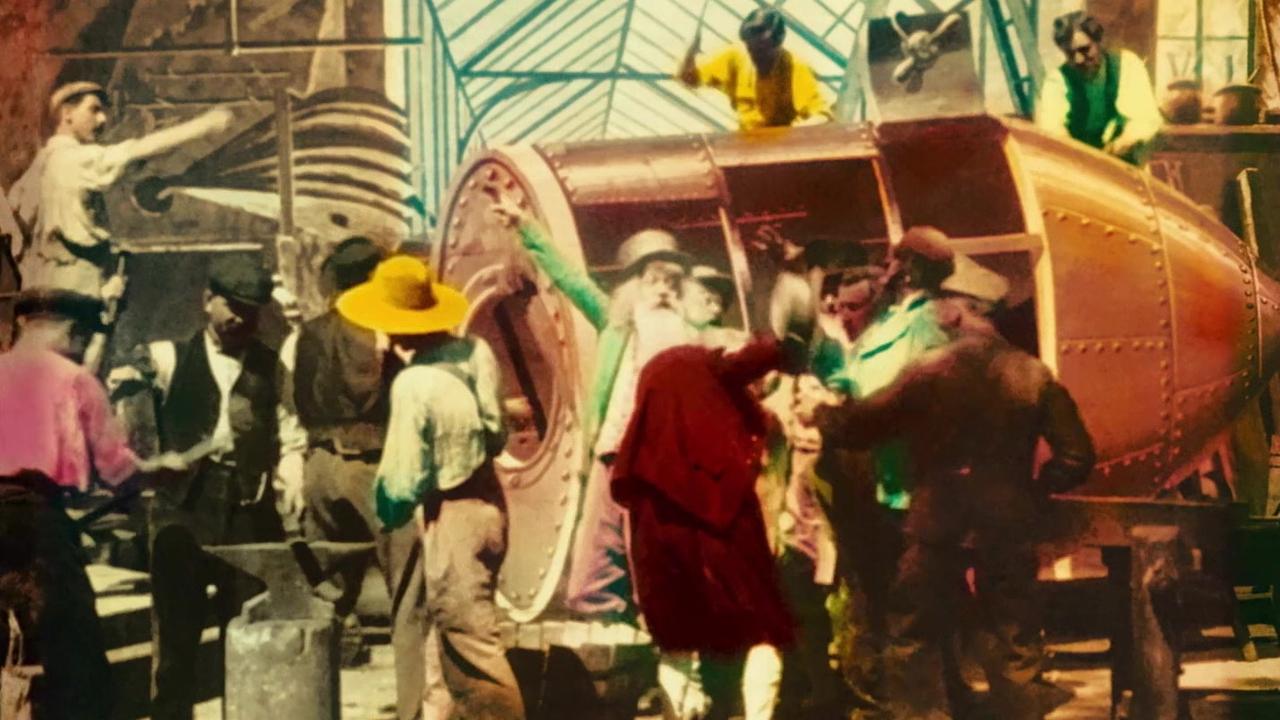
  • The hand-colored version is a psychedelic visual treat.

What to Watch For

  • The 'violence' is very stage-like, but the moon-men exploding into smoke might startle very young toddlers.
  • It’s a silent film—you’ll need to explain what’s happening or find a version with a good score to keep them engaged.

Conversation Starters

  • "How do you think they made those people disappear without using a computer?"
  • "Why did the people in 1902 think the moon had a face?"
  • "If you were going to the moon in 1902, what three things would you pack in your suitcase?"
  • "Does this look more like a movie or a play on a stage?"

Deep Dive

It’s basically a 14-minute music video

Forget everything you think you know about "old movies." This isn't a three-hour slog through a silent desert. It’s a fast-paced, surreal sprint. Because it’s so short, it functions more like a YouTube short or a high-concept music video than a traditional feature. Critics give it a perfect score on Rotten Tomatoes because it essentially invented the visual language we still use in every blockbuster today.

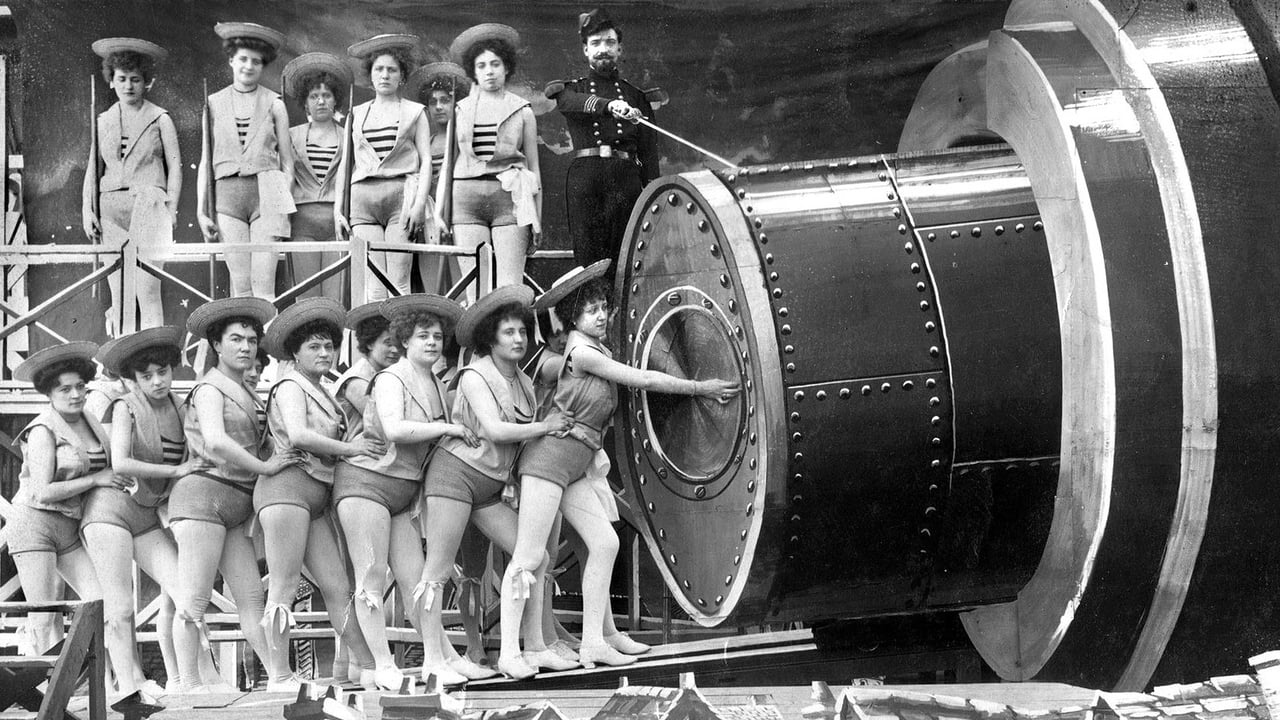
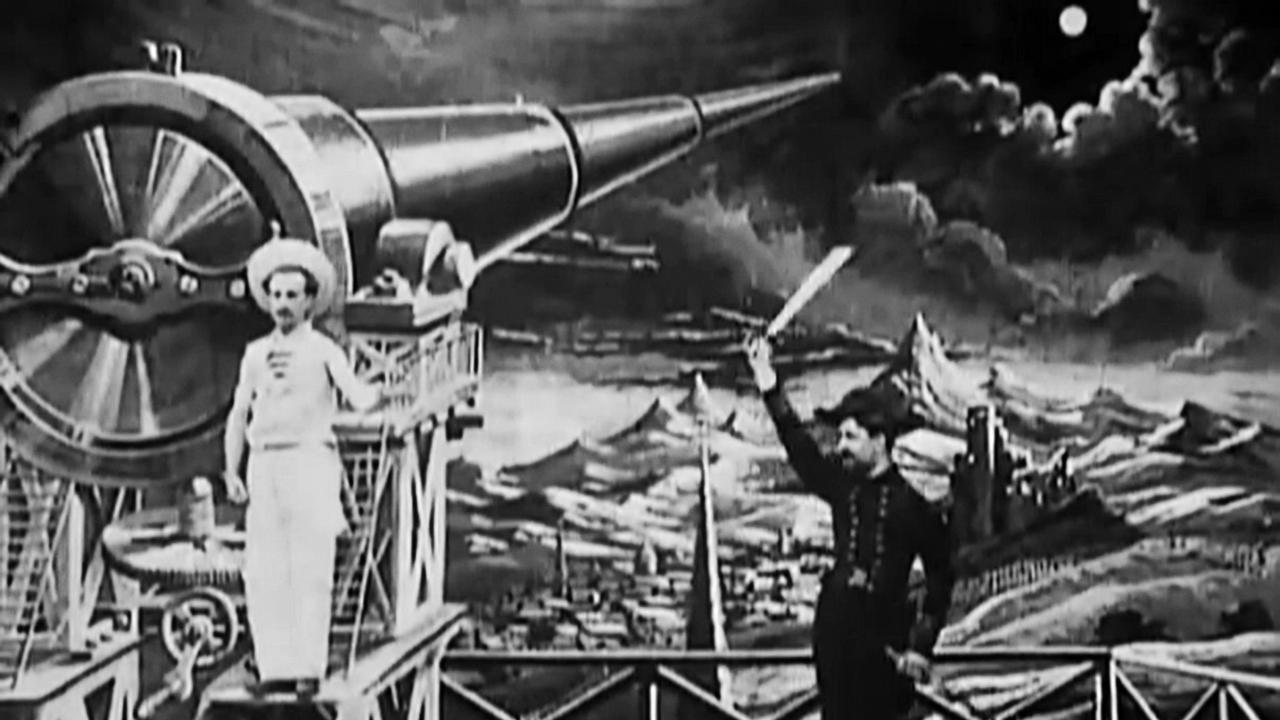
If your kid is used to the polished CGI of the modern era, the "stage play" aesthetic here might look dorky at first. Lean into that. Point out how the stars are literally people in costumes and the rocket is a giant metal bullet. It’s a great bridge for kids who are already into the Dragon Masters series or other high-fantasy stories where the "rules" of the world are a bit flexible and weird.

The "How did they do that?" factor

The most fun way to watch this is to treat it like a magic show. There are no computers here. Every time a Moon-man vanishes in a puff of smoke, that was a "stop-trick"—the filmmakers literally stopped the camera, moved the actor, and started it again.

If you have a kid who is constantly asking how things work, this is a better teaching tool than a thousand-page textbook. You can even pair it with a book like Light Is All Around Us to talk about how light and shadows work on a film set versus how they work in actual space. It’s a visual lesson in how humans used to imagine the impossible before we actually had the technology to get there.

Making it an event

Since there’s no dialogue, this is a social watch. You shouldn't just drop them in front of the TV and walk away. Narrate it. Make up voices for the astronomers. If you've got a space-obsessed kid who already has a list of the best space movies for kids on rotation, this is the ultimate "where it all started" entry.

If they get hyped on the lunar exploration vibe but need something more interactive afterward, check out Escape from the Moon. It carries that same "stranded on a rock" energy but lets them make the tactical decisions the professors in the movie probably should have made before they started hitting aliens with umbrellas.

One last tip: try to find the hand-colored version. It was painted frame-by-frame over a century ago, and the colors have a vibrating, hallucinogenic quality that makes the whole experience feel much more modern and intentional than a grainy black-and-white clip.

Stills
A Trip to the Moon — still 1
A Trip to the Moon — still 2
A Trip to the Moon — still 3
A Trip to the Moon — still 4
A Trip to the Moon — still 5
A Trip to the Moon — still 6
A Trip to the Moon — still 7
A Trip to the Moon — still 8

Ask Anything

Get a personalized guide on any topic