The "Dad History" gold standard
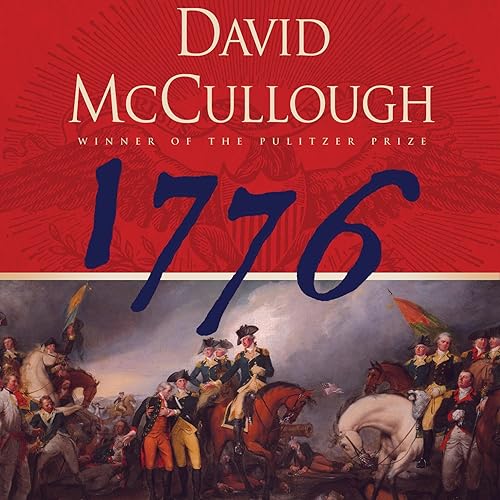
David McCullough doesn't write like a guy who wants you to pass a multiple-choice test. He writes like a guy who wants you to smell the woodsmoke and feel the freezing rain in a Continental Army camp. 1776 isn't a sweeping, decades-long epic; it is a tight, zoomed-in look at the twelve months when the American experiment almost ended before it really began. It is the ultimate underdog story, but it lacks the shiny Hollywood polish that usually coats this era.
If your teen has been looping the Hamilton soundtrack, this is the necessary reality check. There are no rap battles here, just a lot of retreating and a very stressed-out George Washington. McCullough treats Washington as a human being who was often in over his head. He wasn't a tactical genius from day one. He was a man learning how to lead an army of "no-accounts" and schoolteachers against the most disciplined military force on the planet. Seeing him fail and then pivot is much more interesting than the stiff, untouchable portrait on the dollar bill.
Where the friction happens
Let’s be clear about the "thriller" comparison: this is still military history. That means maps, troop movements, and logistics. If a reader isn't interested in why a specific hill in Boston mattered or how the British navy positioned their ships, they might find themselves skimming. It is a narrative, but it is a dense one.
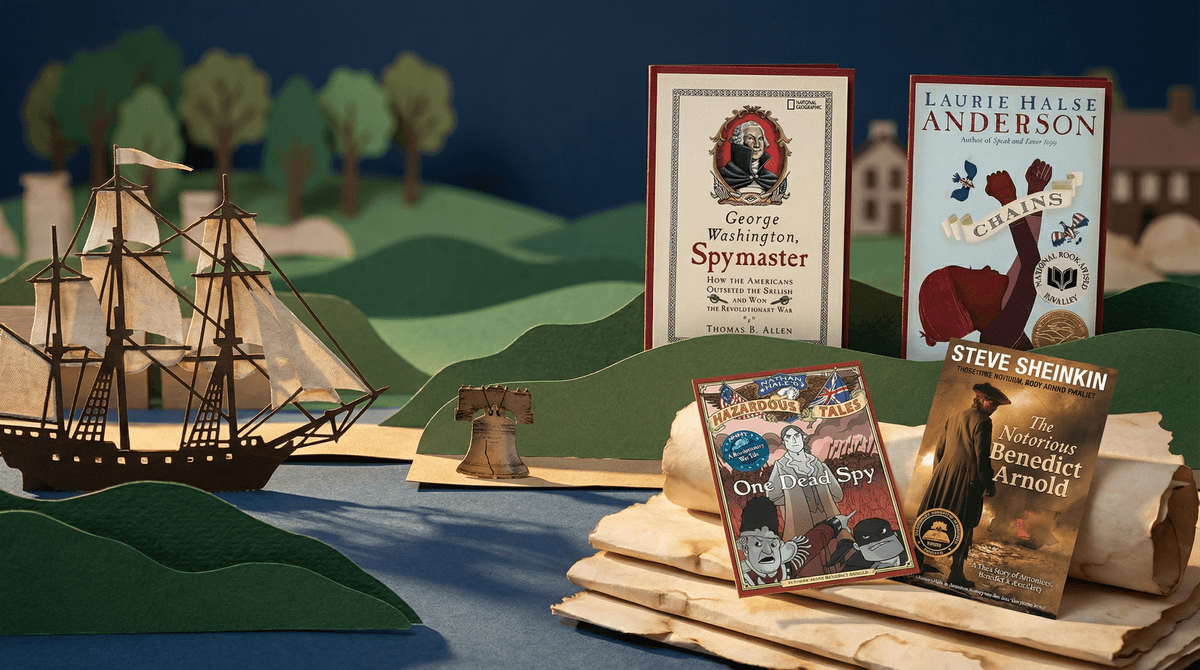
For younger readers or those who aren't quite ready for a 300-page deep dive into 18th-century military strategy, you might want to check out our list of American Revolution books for kids to find something with a bit more "hook" and a bit less tactical detail. This book is for the kid who wants the raw version of the story, not the summarized one.
A balanced view of the "enemy"
One of the smartest moves McCullough makes is giving the British their due. He doesn't paint King George III or General Howe as mustache-twirling villains. They are portrayed as professionals who were convinced they were doing the right and legal thing.
This dual perspective is what makes the book feel like a real piece of history rather than a patriotic pep rally. It forces the reader to understand the sheer scale of the British advantage. When you see how well-fed and well-trained the Redcoats were compared to the starving Americans, the eventual American survival feels like a genuine miracle rather than an inevitability. It’s a great way to get a teenager to think about perspective and how history looks depending on which side of the ocean you're standing on.