

Is Wicked Appropriate for Preteens? What Parents Need to Know
TL;DR: The Wicked movie is rated PG and generally appropriate for most preteens 10+, though sensitive kids might struggle with some intense moments. The themes of bullying, prejudice, and standing up for what's right are incredibly relevant for this age group. Younger elementary kids (under 8) might find the flying monkeys and darker scenes genuinely scary. If your preteen loved Hamilton or Encanto, they'll probably be fine with Wicked.
The PG rating is accurate here—this isn't a sanitized Disney musical, but it's also not pushing boundaries like some PG-13 content. The movie runs 2 hours and 40 minutes (yes, really), which is honestly the bigger concern for fidgety 10-year-olds than the content itself.
Content breakdown:
- Violence/Scary stuff: The Wizard's regime is genuinely oppressive, animals are caged and silenced, and there are some intense chase scenes. The flying monkeys transformation is dark and could be frightening for younger viewers.
- Language: Clean. This is a musical, not Deadpool.
- Romance: There's a love triangle, but it's all very chaste—hand-holding, longing looks, one kiss. Think high school musical vibes.
- Themes: Bullying, discrimination, propaganda, political corruption, choosing between popularity and principles. Heavy stuff, but presented in ways that spark great conversations.
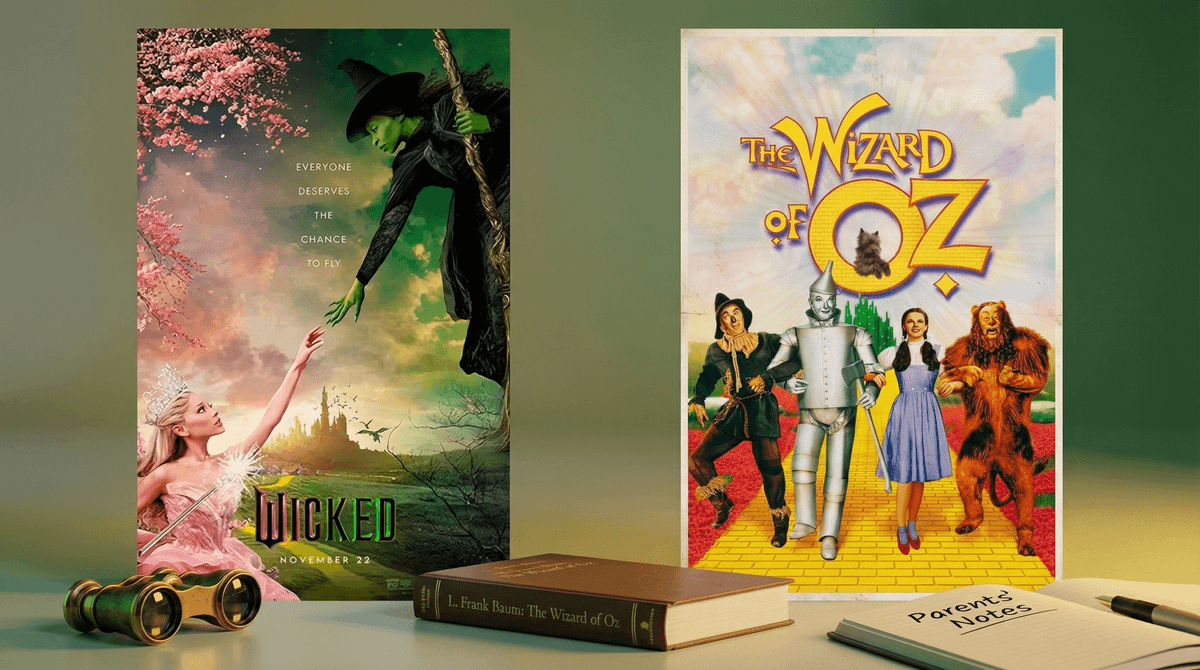
Wicked is basically the origin story of the "Wicked Witch of the West" from The Wizard of Oz, but told from her perspective. Elphaba (the green-skinned protagonist) is bullied for being different, struggles to fit in, and ultimately becomes the villain of someone else's story—even though she's fighting for what's right.
This hits hard for middle schoolers because:
- The social dynamics at Shiz University mirror middle school perfectly—cliques, popularity contests, the pressure to conform
- Elphaba's journey from outcast to confident individual is exactly what preteens are navigating
- The "popular girl becomes best friends with the outcast" storyline (Glinda and Elphaba) explores real friendship complexity
- The "adults are lying to you" revelation about the Wizard resonates with kids starting to question authority
The musical numbers are genuinely catchy—expect "Defying Gravity" to be sung in your house for weeks. If you've survived the Frozen era, you can handle this.
The opening scenes at Shiz University show Elphaba being openly mocked for her green skin. Students literally recoil from her, Glinda publicly humiliates her at a dance, and professors treat her as a curiosity rather than a person. It's not subtle, and it's not played for laughs.
For sensitive kids, these scenes might be genuinely upsetting. If your preteen has experienced bullying or is particularly empathetic, consider watching together so you can process it in real-time. The payoff is worth it—Elphaba's arc is all about finding her power and refusing to shrink herself—but the journey there is rough.
For kids who've read Wonder by R.J. Palacio or watched A Silent Voice, the themes will feel familiar. Wicked handles prejudice with more fantasy distance (she's green because of magical circumstances), which can actually make it easier to discuss than more realistic portrayals.
The Wizard's regime systematically oppresses talking Animals (capital A—it's a thing in the story), using propaganda and fear to maintain control. Elphaba discovers this conspiracy and chooses to fight back, even though it means losing everything.
This is actually perfect for preteens who are starting to understand systems of power and injustice. The parallels to real-world issues are clear without being preachy. It's a great entry point for conversations about:
- How propaganda works and why people believe it
- The cost of speaking truth to power
- Why history gets written by the winners
- What it means to be "good" when the system is corrupt
If your family has been reading The Giver or watching Avatar: The Last Airbender, Wicked fits right into that conversation about resistance and moral complexity.
The flying monkeys scene is the big one. Without spoiling too much, there's a sequence where winged monkeys are created through a painful, dark magical process. It's not gory, but it's intense and sad. Think The Dark Crystal vibes—fantasy darkness that lingers.
Other potentially scary elements:
- The Wizard's guards pursuing Elphaba in dark, claustrophobic spaces
- Moments of magical violence (energy blasts, things being destroyed)
- The emotional intensity of Elphaba's isolation and rejection
- A storm sequence that's loud and visually overwhelming
Kids who handled Harry Potter and the Prisoner of Azkaban or Spider-Man: Into the Spider-Verse will be fine. Kids who got scared during The Lion King (Mufasa's death) or Coraline might need to sit this one out or wait until they're older.
Ages 7-9: Probably too young unless they're unusually mature musical theater kids who've already seen the stage version. The runtime alone will test them, and the darker themes might go over their heads or cause nightmares. If they loved Matilda the Musical, they might be ready, but proceed with caution.
Ages 10-12: The sweet spot. Old enough to grasp the political themes, young enough to still be fully invested in the magical world-building. The bullying storyline will resonate deeply (maybe too deeply—be ready for conversations). The romance is age-appropriate and not cringey.
Ages 13+: Absolutely fine. Teens will appreciate the complexity and might actually get more out of it than younger viewers. The "questioning authority" themes hit different when you're in high school.
Two hours and forty minutes is LONG. Broadway shows have an intermission; the movie does not (at least not in most theaters).
Practical considerations:
- Bathroom breaks are going to be an issue—go before, and know that you might miss something
- Snacks are essential, but pace them or you'll have a sugar crash mid-movie
- Evening showings might push past bedtime, leading to overtired meltdowns
- Matinee showings mean you can decompress afterward instead of going straight to bed with big feelings
If your preteen struggles to sit through a full Lord of the Rings movie or zones out during long Marvel films, this might be a stretch. But if they've powered through all of The Hunger Games or can binge multiple episodes of Percy Jackson, they'll manage.
Here's the thing that makes Wicked worth the heavy moments: Elphaba never stops being herself. She doesn't get a makeover montage where she becomes conventionally pretty. She doesn't compromise her values to fit in. She literally flies away singing about defying gravity while everyone below calls her wicked.
For preteen girls especially (though boys benefit from this too), seeing a protagonist who is called ugly, weird, and wrong—and who responds by becoming MORE herself, not less—is incredibly powerful. Glinda's arc is equally important: she starts as the popular pretty girl and has to learn that being liked isn't the same as being good.
The friendship between Elphaba and Glinda is complex and real. They hurt each other, they support each other, they make different choices and remain friends anyway. It's a more nuanced portrayal of female friendship than most kids' media offers.
Good conversation starters:
- "Why do you think people believed the Wizard's lies about Elphaba?"
- "Have you ever had to choose between being popular and doing what's right?"
- "What would you have done in Glinda's position?"
- "Why do you think Elphaba was willing to be called 'wicked' if it meant helping the Animals?"
Connect it to their world:
- Social media and how stories spread (the Wizard's propaganda machine is basically medieval Twitter)
- Times they've been excluded or seen others excluded
- What it means to be a good friend when your friend makes unpopular choices
- How history books tell one version of events, but there are always other perspectives
If your family enjoys philosophical discussions about stories , Wicked is a goldmine. If you prefer lighter post-movie conversation, that's fine too—sometimes just belting "Defying Gravity" in the car is processing enough.
Wicked is appropriate for most preteens 10 and up, with the caveat that you know your kid best. If they're sensitive to bullying content, watch together. If they scare easily, maybe wait a year. If they're ready for complex moral questions and can handle some intense moments, this is actually a fantastic movie to see as a family.
The PG rating is accurate—this isn't going to traumatize anyone, but it's also not fluffy entertainment. It's a musical with something to say about prejudice, power, and the stories we tell about heroes and villains. For preteens navigating their own social hierarchies and starting to question the world around them, that's exactly the kind of content that sticks.
Next steps:
- Check your local theater's runtime and plan accordingly (seriously, that 2:40 is no joke)
- If you're unsure, watch the Broadway cast recording together first to gauge interest and comfort level
- Consider reading Wicked: The Life and Times of the Wicked Witch of the West if your teen wants more (though note: the book is MUCH darker and more adult than the musical)
- Browse other empowering movies for preteens if you're building a watch list
And hey, if your kid comes out of this wanting to be Elphaba for Halloween, that's a win. We could use more kids who want to be the witch who was right all along.