

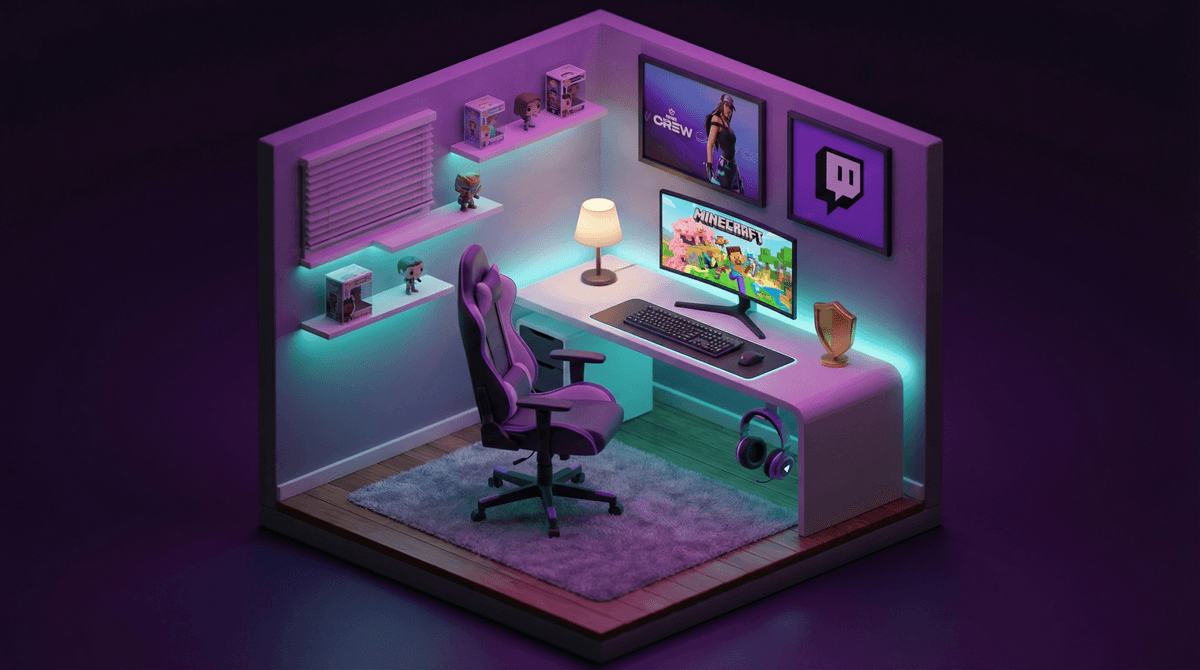
Twitch is a live streaming platform where people broadcast themselves playing video games, creating art, cooking, chatting, or doing pretty much anything else in real-time. Think of it as live TV, but anyone can be the broadcaster, and viewers can interact through a live chat running alongside the stream.
Originally focused on gaming (it's where your kid watches their favorite Minecraft or Fortnite streamers), Twitch has expanded into "Just Chatting" streams, music performances, creative content, and more. The platform has around 140 million monthly active users, and yes, a significant chunk of them are kids and teens.
Here's what makes Twitch different from YouTube: everything happens live. There's no edit button, no time to think before posting. What streamers say and do goes directly to thousands (sometimes millions) of viewers in real-time. And those viewers? They're typing in chat, reacting, donating money, and influencing what happens on stream.
Kids aren't just passively watching Twitch—they're participating in a live community experience. When they watch their favorite streamer, they're part of an event happening right now, with thousands of other viewers. The chat moves fast, inside jokes develop, and there's a genuine sense of belonging to something.
The parasocial relationship is real. Streamers often read chat messages out loud, respond to questions, and acknowledge regular viewers by name. For a 12-year-old, having their favorite streamer say their username on stream? That's basically meeting a celebrity who actually knows you exist.
Plus, kids are learning by watching. They pick up game strategies, discover new games, and see high-level gameplay they could never achieve themselves. It's like watching a sport, but the sport is Valorant or League of Legends, and the athletes are 20-somethings in gaming chairs.
And let's be honest—some streamers are genuinely entertaining. The good ones are basically improv comedians who happen to be really good at video games.
Okay, here's where we need to talk about what actually happens on Twitch, because it's not all wholesome gaming content.
The Chat Is Unmoderated Chaos
Twitch chat can be brutal. Even in moderated channels, things move so fast that inappropriate content slips through. In less moderated streams (or streams with thousands of viewers), you'll see racism, sexism, homophobia, sexual content, and just general internet toxiness flying by at 100 messages per second.
Your kid might think they're just watching someone play Minecraft, but the chat next to it could be discussing things that would make a sailor blush. And unlike YouTube comments that you can avoid, Twitch chat is the point—it's half the experience.
Streamers Aren't Filtered
Twitch streamers range from family-friendly creators to people who stream in bikinis from hot tubs (yes, that's a whole category). Even "gaming" streamers often swear constantly, make sexual jokes, discuss adult topics, or have rage-fueled meltdowns on camera.
The platform has a rating system (Mature 17+ streams exist), but it's inconsistently enforced and easy for kids to click past. There's no kid-friendly version of Twitch. There's no Twitch Kids. It's all just... Twitch.
Money, Money, Money
Twitch has multiple ways for viewers to give streamers money: subscriptions ($5-25/month), "bits" (virtual currency), and direct donations. Kids can easily spend real money to get their name highlighted in chat, trigger on-screen alerts, or get the streamer's attention.
The psychological manipulation is real here. Streamers often have donation goals displayed on screen, thank donors effusively, and create a culture where spending money = being a valued community member. Sound familiar to anyone who's dealt with Robux?
Predatory Behavior
Because Twitch is live and interactive, it creates opportunities for adults to form relationships with minors. A predator could be a streamer building a following of young fans, or another viewer in chat befriending your child. The platform has direct messaging, and viewers can follow each other across streams.
Gambling and Sponsored Content
Some of the biggest Twitch controversies involve streamers gambling with cryptocurrency or promoting sketchy sponsors to their young audiences. While Twitch has tried to crack down on gambling content, it's still prevalent, and the line between "gaming" and "gambling" gets really blurry really fast.
Under 13: Honestly? Twitch isn't designed for this age group, and the Terms of Service technically require users to be 13+. If your younger kid wants to watch gaming content, stick with curated YouTube videos where you can vet the creator and disable comments. Check out our guide to YouTube vs. YouTube Kids for safer alternatives.
Ages 13-15: If your teen is on Twitch, they should only be watching streams you've specifically approved. Watch a few hours of a streamer yourself before giving the green light. Look for creators who:
- Have active moderation and clear chat rules
- Don't rely on sexual content or shock value
- Maintain a generally positive community
- Play games appropriate for your kid's age
Set up parental controls (more on this below), and absolutely restrict their ability to spend money on the platform.
Ages 16+: At this age, teens have probably figured out how to access whatever they want anyway, so the focus shifts to media literacy conversations. Talk about parasocial relationships, the business model of streaming, and how to recognize when content crosses lines.
Twitch's built-in parental controls are... minimal. But here's what you can do:
-
Disable mature content in account settings (Settings > Security and Privacy > Mature Content). This filters out streams marked as 18+, though it relies on streamers self-reporting accurately.
-
Block specific channels if your kid stumbles onto someone inappropriate.
-
Disable Whispers (Twitch's DM feature) in privacy settings. There's zero reason your teen needs to receive private messages from strangers.
-
Turn off payment methods entirely. Don't link credit cards to their account. If they want to support a streamer, they can ask you, and you can make an informed decision.
-
Use browser extensions like "Twitch Chat Filter" to block specific words or phrases from appearing in chat.
The most effective parental control? Co-viewing. Watch streams with your kid, at least initially. You'll quickly get a sense of whether a streamer is appropriate.
Here's something nobody talks about: a significant percentage of kids on Twitch aren't just watching—they want to become streamers. They see teenagers making thousands of dollars playing video games and think "I could do that."
The reality? The average Twitch streamer makes essentially nothing. Success requires thousands of hours of work, luck, algorithmic favor, and often a willingness to compromise values for views. The "influencer pipeline" is a whole thing worth understanding.
If your kid wants to stream:
- Set strict privacy rules (no showing their face, no revealing personal information, no streaming when you're not home)
- Understand that they're now creating a public presence online
- Have serious conversations about online harassment, because they will receive hateful messages
- Set time limits so "building my stream" doesn't consume their life
Instead of leading with "Twitch is dangerous" (which will immediately shut down the conversation), try:
"Who do you like watching on Twitch?" Let them show you. Watch for 20 minutes. Ask questions. Understand what appeals to them.
"What's the chat like in their streams?" Get them thinking critically about the community they're participating in.
"Have you ever felt pressure to donate or subscribe?" Open the door to discussing the financial manipulation built into the platform.
"What would you do if someone in chat made you uncomfortable?" Role-play scenarios. Make sure they know they can come to you.
The goal isn't to make them never use Twitch—it's to make them thoughtful consumers who recognize when content crosses lines and know how to protect themselves.
Twitch isn't inherently evil, but it's definitely not designed with child safety as a priority. It's a platform built for adults, used heavily by teens and kids, with minimal safeguards and maximum opportunities for exposure to inappropriate content.
The platform can be used safely, but it requires active parental involvement. You need to know who your kid is watching, what those streams are like, and whether your kid has the maturity to navigate both the content and the community.
Some families will decide Twitch is off-limits entirely, and that's completely reasonable. Others will find specific creators who align with their values and allow supervised viewing. There's no universal right answer—it depends on your kid's maturity, your family's values, and your bandwidth for monitoring.
-
Have the conversation tonight. Ask your kid if they use Twitch and who they watch.
-
Watch three full streams of their favorite creators. Not clips—full streams where you see the chat and community dynamics.
-
Set up account restrictions following the guidance above.
-
Check your credit card statements for Twitch charges you didn't authorize.
-
Consider alternatives like YouTube Gaming (which has better moderation) or specific gaming content creators who post edited videos instead of live streams.
Want to dig deeper into specific streamers or have questions about whether a particular channel is appropriate? See if a specific Twitch streamer is appropriate for your kid
The digital world isn't going anywhere, and live streaming is only going to become more prevalent. Better to equip your kid with critical thinking skills and safety awareness now than try to shield them completely and hope for the best.