

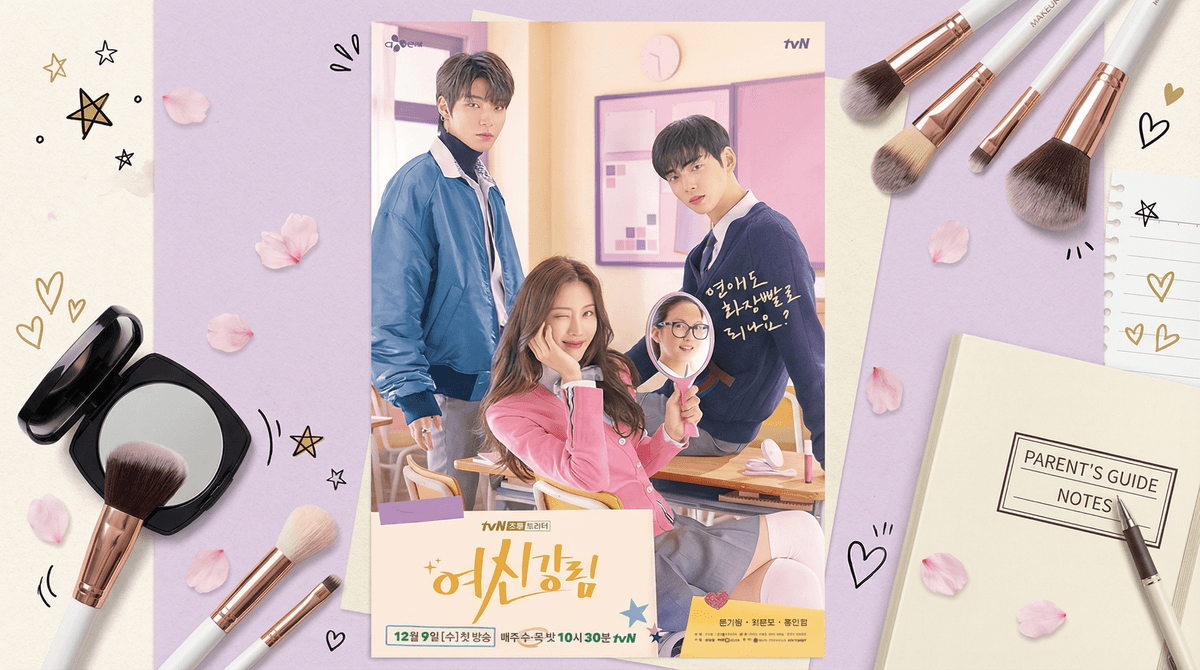
True Beauty K-Drama: What Parents Need to Know About This Teen Romance Hit
TL;DR: True Beauty is a Korean drama that's become a massive hit with teens, especially girls 13-17. It's a romance with genuinely important themes about beauty standards, bullying, and self-acceptance — but it also has some mature content including bullying/suicide references, underage drinking, and plenty of romantic tension. Best for ages 14+, and honestly worth watching together if your teen is interested.
True Beauty is a 2020-2021 South Korean drama series (16 episodes) that follows Lim Ju-kyung, a high school girl who's been severely bullied for her appearance. After transferring to a new school, she reinvents herself using makeup skills she learned from YouTube tutorials, becoming the "goddess" of her new school. The catch? She's terrified anyone will see her bare face and discover her secret.
The show is based on a wildly popular webtoon (Korean webcomic) of the same name, and it hits that sweet spot of romance, comedy, and genuinely emotional storytelling that K-dramas do so well. If your teen has been asking to watch it, they're not alone — it's one of the most-watched K-dramas among American teens in the past few years.
The appeal is pretty straightforward: it's a classic love triangle with two incredibly attractive male leads (the brooding bad boy and the sweet childhood friend), gorgeous cinematography, a relatable female protagonist dealing with real insecurities, and that addictive K-drama pacing that makes you want to watch "just one more episode."
But beyond the romance, teens connect with Ju-kyung's struggle with appearance-based bullying and the pressure to look perfect on social media. The show doesn't shy away from showing how brutal online harassment can be, and how much mental energy goes into maintaining a "perfect" image. For teens living through the Instagram/TikTok era, this hits close to home.
Let's get specific about what you're signing up for:
Bullying and Mental Health (Heavy): The opening episodes show intense cyberbullying that drives Ju-kyung to contemplate suicide. She stands on a rooftop considering jumping. While the show handles this moment carefully and uses it to launch her transformation story, it's genuinely dark. There are also flashbacks throughout the series showing her being mocked, photographed without consent, and harassed online.
Romance and Physical Intimacy (Moderate): This is a romance, so there's kissing — quite a bit of it, actually. The chemistry between the leads is intense, and while there's no sex or nudity, there are several passionate kissing scenes and situations where characters are in bed together (clothed, but intimate). The romantic tension is a major driver of the plot.
Underage Drinking (Present but not glorified): High school students drink soju (Korean alcohol) in several scenes. The show doesn't particularly glamorize it, and sometimes shows consequences, but it's definitely there and treated somewhat casually as part of Korean high school culture.
Beauty Standards and Body Image (Complex): This is the core theme, and it cuts both ways. On one hand, the show critiques toxic beauty standards and shows how exhausting and damaging they are. On the other hand, the "ugly" version of Ju-kyung is... not actually ugly at all, which some viewers find problematic. The makeup transformation is dramatic but she's conventionally attractive either way. The show's message about inner beauty is somewhat undercut by the fact that everyone in it is gorgeous.
Language: Subtitles include occasional profanity (mostly "damn," "hell," some uses of "bitch" in heated moments).
The Mental Health Storyline Is Serious: If your teen has struggled with depression, self-harm thoughts, or bullying, the opening episodes might be triggering. That said, many teens who've dealt with these issues say the show helped them feel less alone. It's worth watching the first episode yourself first, or at least having a conversation about it before diving in.
It's Long: At 16 episodes of roughly an hour each, this is a commitment. K-dramas are notoriously binge-able, so be prepared for "just one more episode" negotiations. On the flip side, it's a complete story with an ending, not an endless series.
The Beauty Message Is Complicated: The show wants to say "you're beautiful without makeup" but also shows how makeup gives Ju-kyung confidence and control over her image. It's actually a pretty nuanced take — the problem isn't makeup itself, it's the obsession with perfection and the bullying of people who don't fit beauty standards. But younger teens might not pick up on that nuance.
Korean Cultural Context: Some aspects of Korean high school culture might seem foreign — the intense academic pressure, the social hierarchies, the way romance is portrayed. This can actually be a good thing, creating some distance that makes it easier to discuss these themes without your teen feeling directly called out.
It's Actually Well-Made: Unlike some teen content that's pure fluff, True Beauty has solid production values, good acting, and moments of genuine emotional depth. The soundtrack is excellent (prepare for your teen to add K-pop to their playlists if they haven't already).
14+: This is the sweet spot. Teens at this age can handle the mature themes and appreciate the complexity of the beauty standards discussion. They're also old enough to have the critical thinking skills to recognize both the show's strengths and its limitations.
13: Borderline. Some mature 13-year-olds will be fine, especially if they're already dealing with social media and appearance pressures. But the suicide content in early episodes is heavy, and the romantic content might be more than some parents are comfortable with for this age.
12 and under: Probably not. The themes are too mature, and the romantic content is aimed at older teens. If they want K-drama content, try Extraordinary Attorney Woo instead — it's got heart and humor without the heavy romance.
16+: Totally fine. At this age, they can fully appreciate the show's commentary on beauty culture and probably have their own experiences with these pressures to bring to the conversation.
If your teen wants to watch True Beauty, here are some conversation starters:
Before watching: "I saw this show deals with bullying and suicide in the first episode. Have you heard about that? How do you think you'll feel watching that?"
During/after:
- "Do you think Ju-kyung is actually 'ugly' without makeup? What do you think the show is trying to say about beauty standards?"
- "How do you think social media affects how you and your friends think about appearance?"
- "The show is set in Korea — do you think American high schools have the same pressures around appearance, or different ones?"
About the romance: "What do you think about how the guys treat Ju-kyung? What makes a relationship healthy versus unhealthy in the show?"
The show actually provides great opportunities to discuss online harassment, the difference between enhancing your appearance and feeling like you HAVE to hide your real self, and how to support friends who are struggling with self-image issues.
True Beauty is not perfect — it sometimes contradicts its own message about inner beauty, and the romance can be melodramatic. But it's also a genuinely engaging show that tackles real issues teens face, with enough heart and humor to make the heavy moments bearable.
For parents of teens 14+, especially those interested in K-dramas or dealing with appearance-related pressures, this is worth considering — ideally as a co-viewing experience, at least for the first few episodes. The bullying and mental health content is serious enough that you'll want to know what your teen is watching, and the themes are rich enough that you'll actually have something meaningful to talk about afterward.
If you're looking for alternatives with similar themes but lighter content, consider Heartstopper for LGBTQ+ representation and self-acceptance themes, or Never Have I Ever for teen identity struggles with more comedy and less intensity.
- Watch the first episode yourself to gauge whether the bullying/suicide content is appropriate for your specific teen
- Check in about their K-drama knowledge — if they're already deep into Korean content, they'll have context that makes this easier to process
- Consider co-viewing, at least initially, so you can pause and discuss heavy moments
- Have the beauty standards conversation before, during, or after — this show is a goldmine for discussing social media, filters, and the pressure to look perfect
Want to explore more about Korean dramas and whether they're right for your teen? Learn about the K-drama phenomenon and what makes it so appealing to American teens .
.