

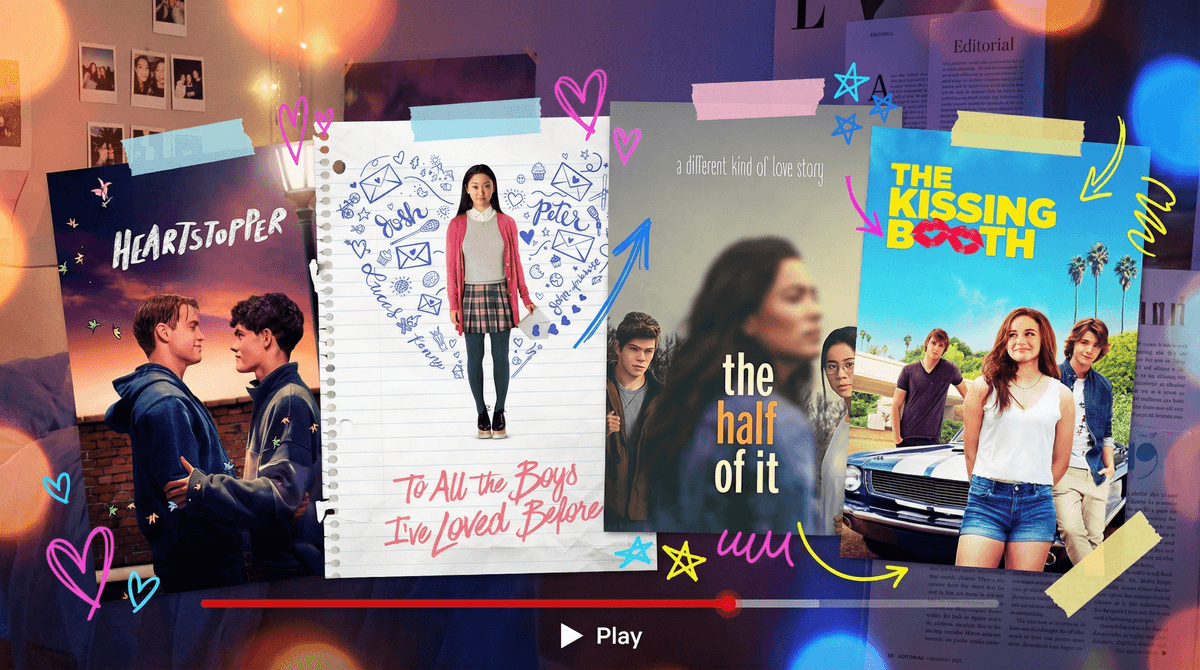
Netflix has become the de facto teenage movie studio of our generation. We're talking about that specific genre of films made primarily for the 13-18 crowd: rom-coms like To All The Boys I've Loved Before, coming-of-age dramas, high school comedies, and those oddly compelling movies about kissing booths and royal boyfriends.
Here's the thing: Netflix figured out the teen movie formula and went all in. They're churning out these films at a pace that would make John Hughes dizzy. Some are genuinely sweet and well-made. Others are... let's just say they exist.
The challenge for parents? These movies live in this weird middle ground. They're not kids' content, but they're also not exactly Euphoria. They're specifically designed for teenagers navigating identity, relationships, and social dynamics—which means they're dealing with real teen issues, sometimes thoughtfully, sometimes not so much.
Let's be real: teens have been starved for content that actually features them. For years, Hollywood either made movies for kids or movies for adults, with teens stuck watching 25-year-olds play high schoolers in R-rated comedies.
Netflix teen movies hit differently because:
- They feature actual teen problems - Not saving the world, just navigating crushes, friend drama, and identity questions
- The diversity is there - Asian-American leads (To All The Boys), Black leads (The Perfect Find), LGBTQ+ stories (Heartstopper, though that's a series)
- They're comfort food - Predictable, cozy, low-stakes compared to the actual stress of being a teenager
- The algorithm knows - Netflix serves up the next one before they've even finished the credits
Your teen isn't watching these because they're cinematic masterpieces. They're watching because these movies see them in a way most media doesn't.
Not all Netflix teen movies are created equal. Here's the breakdown:
The Actually Pretty Good Tier
- To All The Boys I've Loved Before trilogy - Sweet, family-centered, genuinely charming
- The Half of It - Thoughtful, literary, deals with identity and sexuality with nuance
- Love, Simon - Coming out story that's both realistic and hopeful
These movies have something to say beyond "kissing is nice."
The Harmless Fluff Tier
- The Kissing Booth series - Look, the relationship dynamics are questionable, but it's mostly harmless
- A Christmas Prince - Royal fantasy nonsense
- Tall Girl - The problems are not real problems, but teens seem to like it
These won't rot anyone's brain, but don't expect deep conversations afterward.
The "We Need to Talk About This" Tier
These require conversation. Not banning necessarily, but definitely discussion about what healthy relationships actually look like.
Here's the reality: most Netflix teen movies are rated TV-14 or PG-13, which means they're technically appropriate for 13+. But ratings don't tell the whole story.
Ages 11-13: Proceed with Caution
At this age, they're ready for teen content but not all teen content. Stick with:
- To All The Boys - Sweet romance, family dynamics
- The School for Good and Evil - Fantasy adventure with teen characters
- The Sleepover - Action-comedy, lighter stakes
What to watch for: Sexual content beyond kissing, mature themes about sex/drugs, toxic relationship dynamics they're not ready to critically analyze.
Ages 14-16: The Sweet Spot
This is Netflix's target demographic. Most of their teen content is designed for this age range. They can handle:
- Romantic storylines with some sexual tension (but not explicit content)
- Social issues like coming out, identity, social pressure
- More complex relationship dynamics (with your guidance)
What to watch for: Movies that romanticize toxic behavior, excessive sexual content, or substance use without consequences.
Ages 17-18: Almost Adult Territory
At this point, they're probably watching whatever they want. Your role shifts from gatekeeper to conversation partner. They can likely handle most content, but you can still:
- Watch together and discuss
- Point out problematic patterns
- Use movies as jumping-off points for real conversations
The biggest issue isn't usually the content itself—it's the relationship models these movies present.
Some Netflix teen movies feature:
- Possessive behavior dressed up as romance - The "he's mean because he likes you" trope
- Grand gestures instead of communication - Solving problems with elaborate displays rather than, you know, talking
- Love triangles as entertainment - Teaching that relationships are competitions
- Instant attraction as true love - No development, just vibes
This doesn't mean ban them. It means watch with your teen (or at least know what they're watching) and talk about it.
Questions to ask:
- "Would you want to be treated that way in real life?"
- "What do you think about how they handled that conflict?"
- "Does this feel realistic to your experience?"
Here's something worth noting: Netflix's autoplay and recommendation algorithm is designed to keep them watching. One teen movie leads to another leads to another.
This isn't inherently bad, but it's worth being aware of. A Saturday afternoon movie can easily become a four-movie marathon. If you have limits around screen time, Netflix teen movies are a place where those limits will be tested.
Consider:
- Setting expectations before they start ("You can watch one today")
- Turning off autoplay (yes, this is possible in settings)
- Suggesting watch-together nights for new releases
Netflix teen movies are not the enemy. They're also not all created equal.
The good ones give teens characters who look like them, dealing with real issues, in ways that feel validating and seen. They can be conversation starters about identity, relationships, and navigating social dynamics.
The mediocre ones are harmless entertainment—the equivalent of the teen magazines previous generations read. They won't teach much, but they won't harm much either.
The problematic ones require your involvement. Not necessarily to ban them, but to provide context and counter-messaging about what healthy relationships actually look like.
Your job isn't to curate a perfect media diet. It's to help your teen develop critical thinking about what they're consuming. That means sometimes watching the questionable stuff together and talking about why it's questionable.
- Ask what they're watching - Not in an interrogation way, in a genuine interest way
- Watch one together - Pick something they've already seen and liked, let them show you their world
- Check the ratings - Use Common Sense Media for detailed content breakdowns
- Set up Netflix profiles - Use the kids/teen profile settings to filter out truly inappropriate content for younger teens
- Keep the conversation open - The goal is ongoing dialogue, not one-time lectures
And remember: you survived whatever questionable teen media your generation consumed. Your teen will survive Netflix's rom-com factory too, especially with you as their guide.
Want to explore specific titles? Check out our guide to teen romance movies or alternatives to Netflix for family movie nights.