

V-Bucks, Battle Passes, and Real Money: The Ultimate Guide to Fortnite's Currency
Fortnite uses a virtual currency called V-Bucks that costs real money, and it's designed to make spending feel less painful than it actually is. Here's what you need to know: 1,000 V-Bucks costs about $8, the Battle Pass runs around $10 and lasts 10 weeks, and most kids are spending between $10-50 per season. The good news? Everything you can buy is cosmetic only—no pay-to-win mechanics. The bad news? The psychological tricks are real, and your kid's friends are probably rocking those new skins.
Quick links:
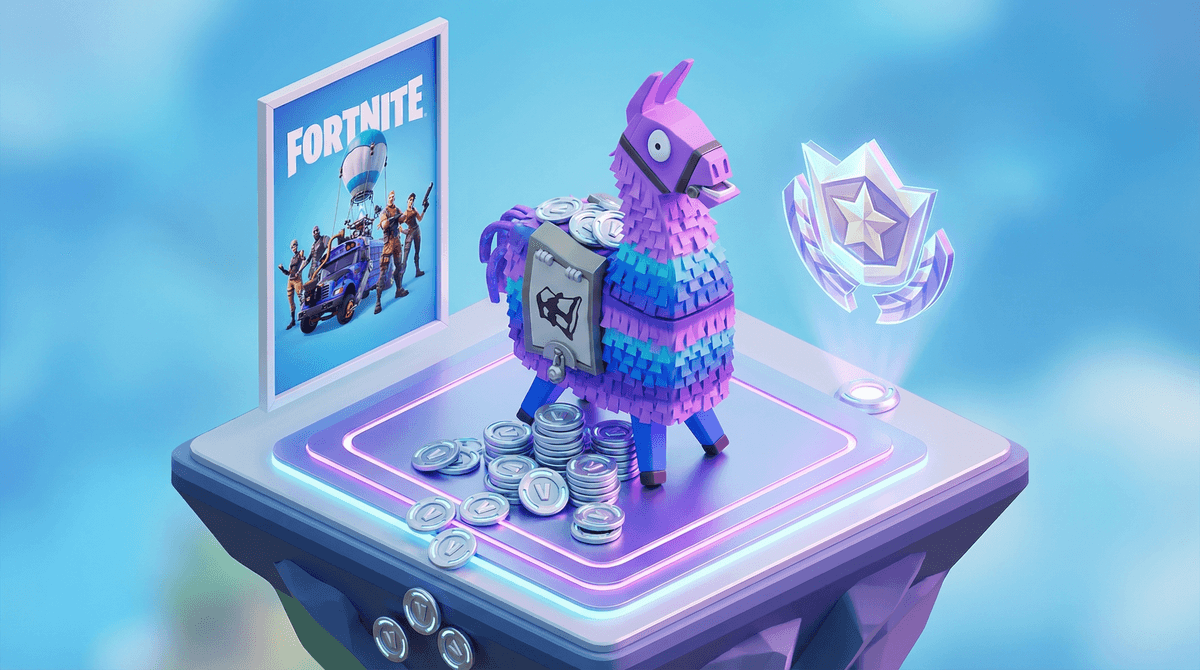
V-Bucks are Fortnite's virtual currency. You buy them with real money, then use them to purchase cosmetic items like character skins, emotes (dances and gestures), gliders, pickaxes, and the Battle Pass.
Here's the pricing breakdown:
- 1,000 V-Bucks = $7.99
- 2,800 V-Bucks = $19.99
- 5,000 V-Bucks = $31.99
- 13,500 V-Bucks = $79.99
Notice how they don't line up neatly? That's intentional. You'll almost always have leftover V-Bucks that aren't quite enough for what you want, nudging you toward another purchase. Classic psychological pricing.
The critical thing to understand: V-Bucks are real money. When your kid says "it's only 800 V-Bucks," that's roughly $6-8 of actual dollars. The abstraction is the point—it makes spending feel less painful.
The Battle Pass is Fortnite's seasonal progression system, and it's honestly pretty clever from a game design perspective (and from a "separate parents from their money" perspective).
How it works:
- Costs 950 V-Bucks (about $8-10)
- Lasts one season (typically 10-12 weeks)
- Unlocks 100 tiers of rewards as you play and complete challenges
- Includes skins, emotes, V-Bucks, and other cosmetics
Here's the hook: if you complete the entire Battle Pass, you earn back about 1,500 V-Bucks—enough to buy next season's pass and have some left over. So theoretically, you could buy one Battle Pass and never pay again, as long as you play enough to complete it each season.
Reality check: Most kids don't complete the entire pass. They get busy with school, lose interest, or the season ends before they finish. Epic Games (Fortnite's maker) knows this. They're betting on incomplete passes and the psychological pressure of "I already paid for this, I should keep playing."
There's also a Battle Pass Bundle for 2,800 V-Bucks (about $20) that gives you the pass plus 25 tier skips. This is basically paying to not have to play as much, which... yeah, think about that for a second.
The Item Shop rotates daily with new skins, emotes, and cosmetics. Items typically cost:
- Emotes: 200-800 V-Bucks ($2-8)
- Uncommon skins: 800 V-Bucks ($6-8)
- Rare skins: 1,200 V-Bucks ($10-12)
- Epic skins: 1,500 V-Bucks ($12-15)
- Legendary skins: 2,000 V-Bucks ($16-20)
The shop uses artificial scarcity—items rotate out and might not return for months (or ever). This creates massive FOMO (fear of missing out). Your kid sees their favorite streamer or friend with a skin, and suddenly it's an emergency purchase before it disappears at midnight.
Epic has gotten in trouble for this. In 2022, the FTC fined them $275 million for "dark patterns" that tricked players into making purchases and made it hard for parents to get refunds. They've since improved their refund system and made some changes, but the core mechanics remain.
Let's be real about the psychology here:
1. Social currency: In Fortnite, skins are status symbols. The "default skin" (free starter skin) marks you as either new or unable to spend money. Kids face social pressure to buy skins to fit in.
2. Collaboration skins: Fortnite regularly releases skins from popular franchises—Marvel, Star Wars, anime, musicians, NFL teams. If your kid loves Spider-Man and there's a Spider-Man skin for 48 hours only, good luck saying no to that.
3. The abstraction layer: V-Bucks don't feel like real money. By the time your kid is in the shop, they're thinking in V-Bucks, not dollars.
4. Gifting: Kids can gift items to friends, which creates reciprocal social pressure. "Tyler bought me a skin for my birthday, I should get him one too."
5. The sunk cost fallacy: "I already have 700 V-Bucks, I might as well buy 1,000 more to get this skin."
If you've decided to allow some Fortnite spending, here's what makes the most sense:
The Battle Pass is the best value if your kid plays regularly. For $10, they get months of content and progression. It also gives them goals and challenges, which can make gameplay more engaging.
Starter packs occasionally appear for $4-5 and include a skin plus V-Bucks. These are decent value compared to buying V-Bucks and skins separately.
Skip the random emotes and pickaxes unless your kid has a specific one they really want. These are impulse purchases that lose their appeal quickly.
Legendary skins are rarely worth it at $16-20. Unless it's a beloved character from another franchise, the novelty wears off fast.
Here's what works in practice with families:
1. Set a seasonal budget. Many parents give their kids $10-20 per Fortnite season (every 10-12 weeks). This covers a Battle Pass and maybe one additional item. Kids learn to prioritize what they actually want.
2. Use gift cards, not linked credit cards. Give your kid a $25 PlayStation/Xbox/Nintendo gift card or have them use their own money. This makes spending tangible and creates a natural limit. Learn how to set up payment restrictions.
3. Require they earn it. Some families match Fortnite spending with reading time, chores, or other activities. "For every hour you read, you earn $1 toward your Fortnite budget."
4. Use the 48-hour rule. If they want something from the Item Shop, they have to wait 48 hours before purchasing. This kills impulse buying and FOMO pressure.
5. Enable parental controls. Both Fortnite and your gaming platform have spending controls. Use them. Require a PIN for all purchases.
6. Make V-Bucks visible. Regularly convert their V-Buck requests back to dollars. "That's $15. Is this skin worth $15 to you?"
Beyond the specific mechanics, Fortnite's currency system is a great opportunity to talk about:
Digital goods and value: What does it mean to own something that only exists in a game? What happens to all those skins if Fortnite shuts down someday?
Marketing and manipulation: How do companies use psychology to encourage spending? Why do they use V-Bucks instead of dollars?
Social pressure and identity: Why do we care what our characters look like in a game? What does it mean when kids are judged by their skins?
Delayed gratification: Is it better to save up for something you really want, or buy smaller things now?
These aren't lectures—they're genuine conversations. Ask your kid what they think. They're often more aware of the manipulation than you'd expect.
Fortnite's currency system is designed to maximize spending through psychological tricks, social pressure, and artificial scarcity. But it's also true that everything is cosmetic—no one is buying power or advantages, just appearance. That's actually pretty ethical compared to many mobile games with pay-to-win mechanics.
The average kid spends $10-50 per season on Fortnite. Some spend nothing, some spend hundreds. The question isn't whether Fortnite's currency system is manipulative (it is), but how you want to navigate it with your family's values and budget.
Set clear boundaries, make spending visible and intentional, and use it as a teaching opportunity about digital economics and marketing. And remember: your kid isn't weak or bad for wanting skins. The system is designed by some of the smartest behavioral psychologists in gaming. Even adults struggle with it.
- Talk to your kid about their current Fortnite spending and what they want to buy
- Set up parental controls on both Fortnite and your gaming platform
- Establish a budget that works for your family (even if it's $0)
- Check your transaction history to see what's actually been spent so far
- Consider alternatives if Fortnite spending is becoming a problem
Set up Fortnite parental controls | Explore games with less monetization pressure | Get help setting Fortnite spending limits