

The Best Free Animated Movies on Tubi That Won't Cost You a Subscription
TL;DR: Tubi has a surprisingly solid collection of animated movies that won't make you cringe—and they're completely free. Here are the standouts worth your time:
For younger kids (G/PG):
For older elementary:
For tweens/teens:
Look, I get it. You're already paying for Disney+, Netflix, maybe Max, possibly Paramount+, and you're not about to add another $15/month service just because your kid finished everything on their current rotation. But here's the thing about Tubi—it's actually free (ad-supported, but truly free), and buried in its massive library are some genuinely excellent animated films that rival anything on the paid platforms.
I'm not talking about the straight-to-video knockoffs with titles like "Frozen Land" or whatever. Tubi actually has legitimately good movies, including some Studio Ghibli films, acclaimed indie animations, and a few hidden gems that somehow flew under most parents' radars.
Tubi is a free streaming service owned by Fox Corporation. It makes money through ads (think 2-3 minutes of commercials every 15-20 minutes—about the same as old-school TV). The trade-off? No subscription fee.
The catch: Tubi's library rotates, so titles come and go. If you see something on this list that interests you, watch it sooner rather than later. Also, because it's free and ad-supported, you will encounter ads for things like prescription medications, insurance, and occasionally beer—so this isn't quite as sanitized as Disney+ or Netflix Kids profiles.
Parental controls: Tubi does have a Kids Mode that filters content to G, PG, and some PG-13 titles, but it's not as robust as Netflix's parental controls or Disney+'s kids profiles. You'll want to set this up before handing over the remote.
Ages 4-10 | G
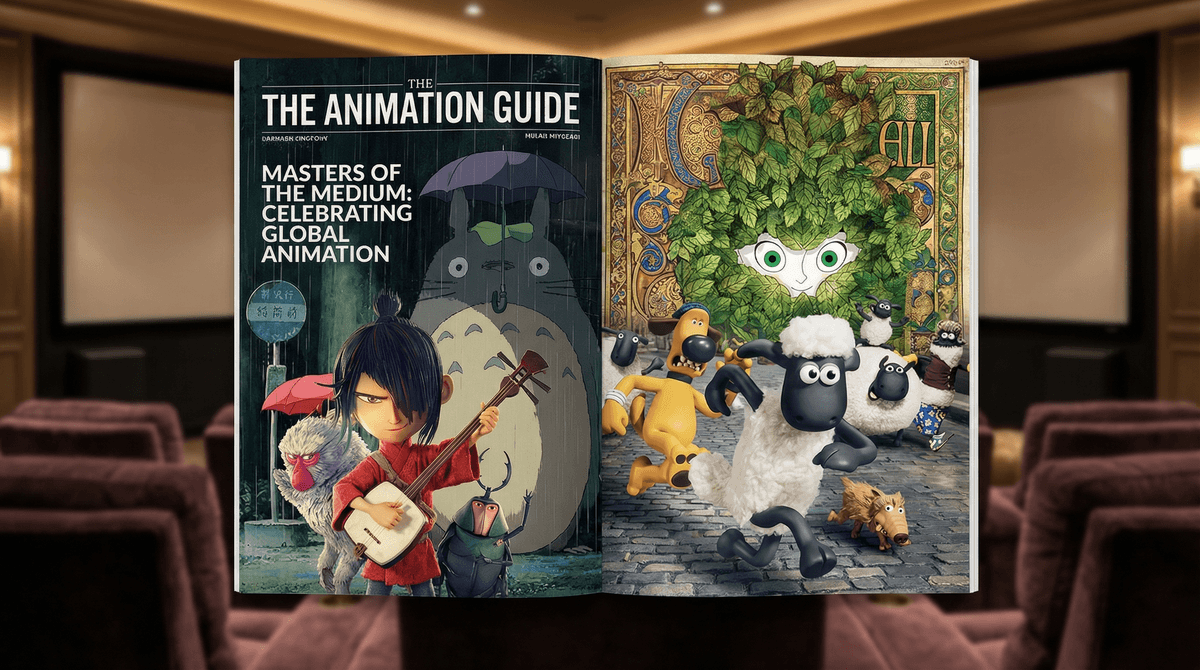
This is the gold standard for gentle, imaginative storytelling. Two sisters move to the countryside and encounter friendly forest spirits, including the iconic Totoro. There's no villain, no manufactured conflict—just kids being kids, dealing with their mom's illness, and finding magic in everyday life.
Why it's worth it: In a media landscape that constantly overstimulates, Totoro is refreshingly slow-paced and contemplative. It trusts kids to be engaged without constant action. Plus, the hand-drawn animation is stunning.
Parent note: The mom is in the hospital with an unnamed illness (likely tuberculosis, given the film's 1950s setting). Some kids find this sad, but it's handled with warmth and hope.
Ages 6-12 | G
A 13-year-old witch moves to a new city to complete her training by starting a delivery service. It's basically a coming-of-age story about finding your place, dealing with self-doubt, and learning that being yourself is enough.
Why it's worth it: This is one of the best films about work ethic, entrepreneurship, and creative burnout—yes, really. Kiki struggles with imposter syndrome and creative blocks in ways that feel remarkably modern.
Parent note: There's a scene where Kiki temporarily loses her powers due to self-doubt. Some younger kids might find this upsetting, but it resolves positively.
Ages 8-14 | PG
A young boy with magical storytelling powers must find his father's armor to defeat a vengeful spirit. This stop-motion masterpiece from Laika Studios is visually stunning and emotionally complex.
Why it's worth it: The craftsmanship is insane—every frame is a work of art. But beyond the visuals, this is a story about grief, memory, and the stories we tell about our loved ones. It's one of those rare kids' movies that adults will genuinely enjoy.
Parent note: There are some genuinely scary moments (creepy twin aunts, a giant skeleton), and the themes of death and loss are central to the plot. Not for sensitive younger kids.
Ages 7-12 | PG
This isn't a straight adaptation of the classic book—it's a story about a girl whose overachieving mother has her life planned down to the minute, until an eccentric neighbor introduces her to the story of the Little Prince.
Why it's worth it: The animation style shifts between CG and gorgeous stop-motion, and the message about childhood wonder vs. adult pragmatism hits differently in our achievement-obsessed culture. It's a love letter to imagination.
Parent note: Some kids find the framing story confusing at first. The movie works best if you've read the book together first, but it's not required.
Ages 8-14 | Not Rated (equivalent to PG)
A young monk in medieval Ireland helps complete the Book of Kells while Vikings threaten his abbey. The art style is inspired by illuminated manuscripts and Celtic designs.
Why it's worth it: This is one of the most visually distinctive animated films ever made. It's also a beautiful story about art, faith, and the tension between safety and creativity.
Parent note: The Viking raids are depicted stylistically but can still be intense. There's also a forest spirit that might scare younger viewers.
Ages 4-10 | G
Shaun and his flock head to the big city to rescue their farmer, who's lost his memory. There's no dialogue—just visual gags, slapstick, and claymation charm.
Why it's worth it: This is pure, innocent fun that works for a huge age range. The lack of dialogue means even pre-readers can follow along, and the humor is clever enough for adults.
Ages 4-10 | G
The sequel adds an alien visitor to the farm, leading to E.T.-style hijinks with more claymation excellence.
Why it's worth it: It's basically E.T. meets Wallace and Gromit, and it's delightful. Great for kids who loved the first movie or anyone who enjoys Aardman's signature style.
Ages 15+ | R
A cyberpunk classic set in post-apocalyptic Tokyo, following a biker gang member who gains dangerous psychic powers.
Why it's worth it: This is one of the most influential anime films ever made, and it's a cultural touchstone. If your teen is interested in anime, animation history, or dystopian sci-fi, this is essential viewing.
Parent note: This is rated R for a reason—graphic violence, disturbing imagery, some nudity, and intense themes. Watch it yourself first before deciding if your teen is ready.
Ages 16+ | R
A psychological thriller about a pop idol who transitions to acting and begins losing her grip on reality as a stalker terrorizes her.
Why it's worth it: This is a masterclass in psychological horror and a commentary on fame, identity, and parasocial relationships that feels incredibly relevant in the age of social media.
Parent note: This is intense, mature content—violence, sexual situations, and genuinely disturbing psychological horror. This is for mature teens only, and probably worth watching together.
The Breadwinner (Ages 10+, PG-13): A girl in Taliban-ruled Afghanistan disguises herself as a boy to support her family. Heavy subject matter but beautifully handled.
Ernest & Celestine (Ages 4-8, PG): A gentle French film about a bear and mouse friendship. Watercolor animation and sweet storytelling.
The Boxtrolls (Ages 7-12, PG): Another Laika stop-motion gem about a boy raised by trash-collecting creatures. Quirky and fun.
Not everything on Tubi is worth your time. You'll find plenty of bargain-bin animation with titles like "Little Panda Fighter" or "Ratatoing" that are shameless ripoffs of popular films. The animation quality is rough, the voice acting is painful, and your kids deserve better.
Also, be cautious with anime titles you're not familiar with. Tubi has a decent anime selection, but not all of it is age-appropriate despite being animated. Always check ratings and read reviews before assuming a cartoon is kid-friendly.
Ages 3-6: Stick with My Neighbor Totoro, Shaun the Sheep, and Ernest & Celestine. These have minimal scary moments and slower pacing that works for shorter attention spans.
Ages 7-10: Add The Little Prince, Kiki's Delivery Service, and The Boxtrolls. These have more complex plots but still maintain that sense of wonder.
Ages 11-14: Kubo and the Two Strings, The Secret of Kells, and The Breadwinner offer more sophisticated storytelling and can spark great conversations about culture, history, and art.
Ages 15+: If your teen is interested in anime or more mature animation, Akira and Perfect Blue are worth considering—but watch them yourself first.
Tubi isn't going to replace your Disney+ subscription, but it's a legitimate option for quality family viewing without the monthly fee. The ad breaks are annoying but manageable, and the selection—while rotating—includes some genuinely excellent films that hold up against anything on paid platforms.
Set up Kids Mode, browse the animation section together, and you might be surprised at what you find. The Studio Ghibli films alone are worth downloading the app, and discovering something like Kubo or The Secret of Kells with your kids is a special experience.
Just remember: Tubi's library changes regularly, so if something on this list catches your eye, watch it sooner rather than later. And if you're looking for more free streaming options for kids, there are other platforms worth exploring too.
Pro tip: Create a watchlist as soon as you set up your account. When you find a good title, add it immediately—it might not be there next month.