

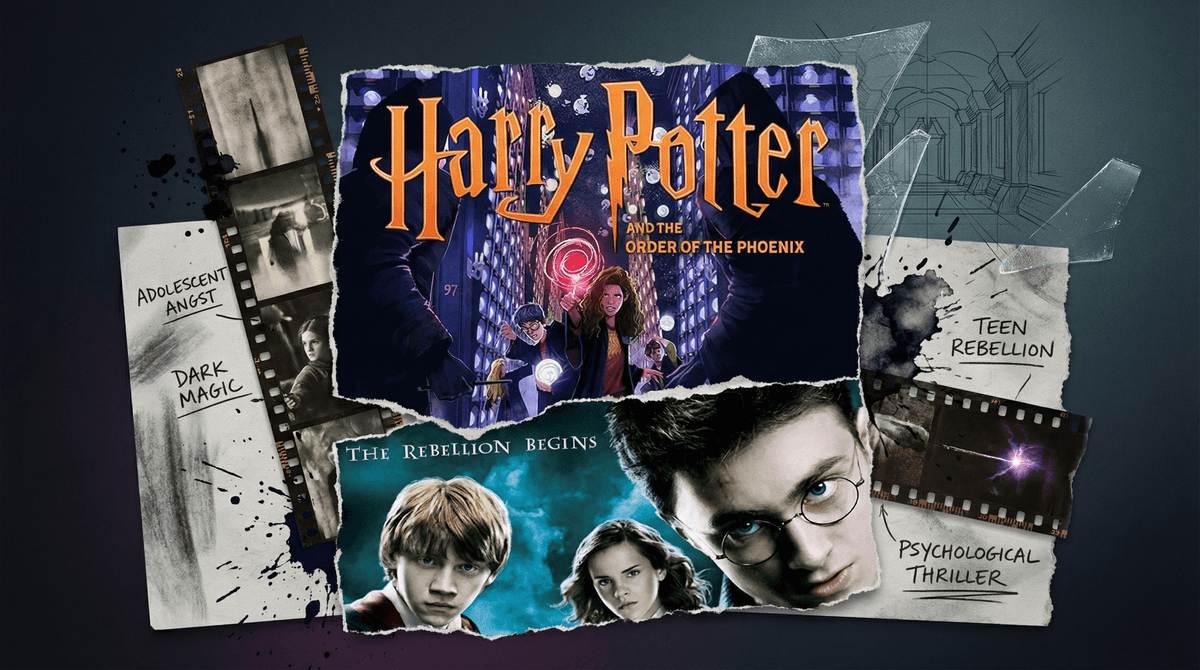
Harry Potter and the Order of the Phoenix: What Parents Need to Know About the Ratings
Harry Potter and the Order of the Phoenix earned a PG-13 rating (the first in the series to do so), and it's justified. This is where the franchise pivots from magical adventure to genuine psychological thriller territory. The violence is more intense, the emotional stakes are darker, and a beloved character dies on screen. Most kids 11+ who've handled the earlier films will be fine, but this is the moment to have real conversations about grief, trauma, and authoritarian control before pressing play.
Quick age guidance:
- Ages 11-13: Generally ready if they've watched the previous films and can handle character death
- Ages 8-10: Wait, even if they loved the earlier movies
- Sensitive kids of any age: Consider skipping or waiting—this one hits different
The first four Harry Potter movies were all rated PG. Then Order of the Phoenix arrived in 2007 and the MPAA slapped it with PG-13 for "sequences of fantasy violence and frightening images."
Here's what changed:
The violence escalates significantly. We're not talking about cute Quidditch injuries anymore. The Department of Mysteries battle sequence features:
- Teenagers being thrown violently against walls
- Death Eaters using genuinely menacing dark magic
- Sirius Black's death (more on this in a moment)
- Extended wand combat that feels more like a war zone than a duel
The psychological intensity ramps up. Harry experiences:
- Violent visions and nightmares throughout
- Possession by Voldemort (complete with veins bulging and screaming)
- Emotional torture from Umbridge's detention scenes
- PTSD symptoms from witnessing Cedric's murder in the previous film
Umbridge's sadistic punishments. Dolores Umbridge forces Harry to write lines with a cursed quill that carves words into his hand. We see the bloody results. It's not gory, but it's disturbing because it's sanctioned institutional abuse by an authority figure.
A major character dies on screen. Sirius Black, Harry's godfather and last connection to his parents, is killed during the climactic battle. It's not graphic, but it's emotionally devastating and happens suddenly.
If your kid sailed through Harry Potter and the Goblet of Fire, you might assume Order of the Phoenix is a natural next step. Not quite.
Goblet of Fire ends with Cedric's death, which is shocking and sad. But Order of the Phoenix starts in that emotional space and stays there for 138 minutes. There's less whimsy, fewer light moments, and the entire tone is oppressive. Even Hogwarts feels like a prison under Umbridge's control.
The earlier films had clear good vs. evil dynamics. This one introduces institutional corruption, propaganda, and adults who gaslight children about their trauma. It's sophisticated storytelling, but it requires more emotional maturity to process.
Let's address the elephant in the room. Sirius's death is the emotional gut-punch of the film, and it's the thing most likely to wreck your kid.
What happens: During the battle at the Department of Mysteries, Sirius is dueling Bellatrix Lestrange. She hits him with a curse, he falls backward through a mysterious veil, and he's gone. Harry screams and tries to go after him, but Remus Lupin holds him back. There's no body, no blood—just sudden, permanent absence.
Why it hits so hard:
- Sirius is Harry's last living connection to his parents
- It happens suddenly with no warning or goodbye
- Harry's grief is raw and immediate—Daniel Radcliffe's screaming is genuinely distressing to watch
- The movie doesn't soften it or provide false comfort
Age considerations:
- Kids under 10 often struggle with permanent death in media, especially of parental figures
- Sensitive kids who've experienced loss in their own lives may find this triggering
- Even kids who "know it's just a movie" can be surprised by how much this scene affects them
If your kid has been attached to Sirius since Prisoner of Azkaban, prepare them. You don't have to spoil the exact moment, but a heads-up like "something really sad happens in this one" can help.
Dolores Umbridge might be more disturbing than Voldemort for some kids, and here's why: she's a realistic villain.
Most kids will never encounter a noseless dark wizard trying to achieve immortality. But they will encounter authority figures who abuse power, enforce arbitrary rules, and punish kids for telling the truth. Umbridge's soft-spoken cruelty and bureaucratic sadism hit different because it's recognizable.
The blood quill scenes: Harry is forced to write "I must not tell lies" repeatedly while a cursed quill carves the words into the back of his hand. We see the bloody results. It's not graphic horror, but it's institutional child abuse presented matter-of-factly, which can be more disturbing than fantasy violence.
Why this matters: Some kids who handle fantasy violence just fine struggle with realistic depictions of authority figures harming children. If your kid has anxiety about school, teachers, or authority, Umbridge might be harder to watch than the Death Eaters.
Harry's possession scene: Near the end, Voldemort possesses Harry. His face contorts, his veins bulge, and he writhes on the ground while Voldemort's voice speaks through him. It's brief but visually intense.
The dementor attack: The opening scene features dementors attacking Harry and Dudley in an underpass. It's dark, disorienting, and frightening—especially if your kid found the dementors scary in earlier films.
Dumbledore vs. Voldemort duel: Visually spectacular but also intense. The two most powerful wizards in the world try to kill each other with fire, water, and glass. It's the magical equivalent of watching gods fight.
Ages 8-10: Too intense for most kids in this range, even if they loved the earlier films. The tonal shift is significant, and the emotional content requires more maturity than the PG rating of the previous movies prepared them for.
Ages 11-13: The sweet spot for most kids. If they've read the books or watched the previous films and handled Cedric's death okay, they're probably ready. But know your kid—sensitive 12-year-olds might struggle more than resilient 10-year-olds.
Ages 14+: Generally fine, though the Sirius death scene can still hit hard. Teens can engage with the themes of propaganda, institutional corruption, and authoritarianism in more sophisticated ways.
Sensitive kids of any age: Consider waiting or skipping. If your kid is easily frightened, deeply affected by character deaths, or anxious about authority figures, this might not be the right time.
The Order of the Phoenix book is the longest in the series (870 pages), and it's even darker than the movie in some ways. Harry spends more time angry and isolated, and the psychological intensity is drawn out over hundreds of pages.
Pros of reading first:
- Kids who know what's coming can emotionally prepare
- The book provides more context for character motivations
- Reading gives kids control over pacing (they can put it down if overwhelmed)
Cons of reading first:
- The book is longer and more emotionally exhausting
- Some kids find the movie less intense because it's condensed
- Harry's internal anger is more prominent in the book, which can be harder to read
There's no wrong answer here. Some families prefer books first as a rule; others find the visual medium easier to process because it's over in 2.5 hours instead of weeks of reading.
If your kid watches Order of the Phoenix, here are conversation starters that go beyond "did you like it?"
About Sirius's death:
- "How are you feeling about what happened to Sirius?"
- "Have you ever lost someone important? What helped you?"
- "Why do you think the movie showed Harry being so upset?"
About Umbridge:
- "Why was Umbridge scarier than Voldemort for some people?"
- "Have you ever had a teacher or adult who abused their power?"
- "What would you do if you were in Harry's position?"
About propaganda and institutional control:
- "Why didn't the Ministry believe Harry about Voldemort?"
- "How did Umbridge change Hogwarts?"
- "Can you think of times in real life when people in power didn't want to hear the truth?"
These themes—grief, institutional betrayal, propaganda—are sophisticated. But if your kid is old enough to watch this movie, they're old enough to start thinking about them.
Harry Potter and the Order of the Phoenix earned its PG-13 rating honestly. This is where the series grows up, and not every kid is ready to grow up with it at the same pace.
Watch it with your kid the first time. Even if they're old enough to watch alone, this is one where your presence matters. You'll be able to gauge their reactions in real time and be there for questions or comfort during the tough moments.
Trust your gut over age guidelines. You know your kid better than any rating system. If they're sensitive to character deaths, struggle with scary imagery, or have anxiety about authority figures, it's okay to wait—even if all their friends have seen it.
It's okay to skip it entirely. The series doesn't require watching every movie. If you think Order of the Phoenix is too much, you can jump straight to Half-Blood Prince, which has a lighter tone (until the ending). Or just rewatch Prisoner of Azkaban, which remains the best film in the series anyway.
The magic of Harry Potter isn't going anywhere. There's no rush.
- Check out our full Harry Potter movies guide for age recommendations across the entire series
- Wondering about the later films? Read about Half-Blood Prince and Deathly Hallows ratings
- Looking for similar fantasy adventures with lighter tones? Try Percy Jackson movies or The Chronicles of Narnia
- Want to talk through your specific situation? See if your kid is ready for Order of the Phoenix
