

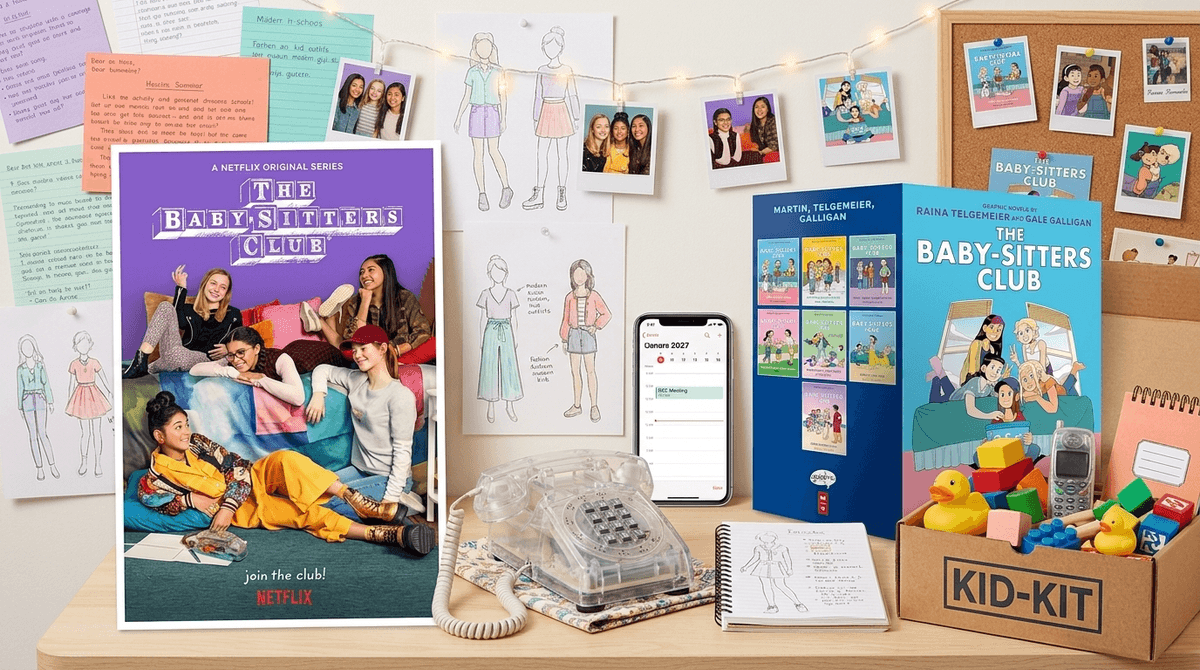
TL;DR: If you’re looking for a show that bridges the gap between the "little kid" stuff and the "way too mature" teen dramas, The Baby-Sitters Club (Netflix) is arguably the best thing on streaming for the 8-12 crowd. It takes the nostalgia of the original The Baby-Sitters Club books and updates it with modern sensibilities, diverse casting, and genuine emotional intelligence. It’s wholesome without being "cringe," and it actually models how to run a business and be a decent friend.
Check out our full ranking of the best Netflix shows for tweens
If you grew up in the 80s or 90s, you know the drill: Kristy, Mary Anne, Claudia, Stacey, and Dawn (and eventually Jessi and Mallory) sit in a bedroom once a week, wait for the landline to ring, and manage a local childcare empire.
The Netflix reboot keeps that core DNA but drags it into the 2020s. The landline is a clear plastic vintage phone bought on Etsy because "it’s aesthetic," and the girls use social media and Google Docs to organize their schedules. But the heart of the show is still the same: five middle-schoolers in Stoneybrook, Connecticut, navigating the messy transition from childhood to the "it’s complicated" phase of early adolescence.
Unlike a lot of "tween" content that feels like it was written by an AI trying to guess what kids find "lit" or "Ohio," this show feels human. It treats the problems of an 11-year-old—like a first crush, a period starting at camp, or a parent’s remarriage—with the same gravity the characters feel.
Kids, especially those in the "middle grade" bracket (grades 4-7), are in a developmental sweet spot. They are starting to look for independence but still want the safety of home. The Baby-Sitters Club works because it represents the ultimate "big kid" fantasy: having your own money, your own business, and a tight-knit group of friends who always have your back.
It’s also visually stunning. Claudia Kishi’s outfits alone are enough to keep a kid interested if they have any interest in art or fashion. But more importantly, the characters are relatable. Whether your kid is the "bossy" leader (Kristy), the shy introvert (Mary Anne), the activist (Dawn), the "cool" artist (Claudia), or the math whiz (Stacey), they’ll see themselves on screen.

We talk a lot at Screenwise about "brain rot"—that mindless, high-stimulation content like Skibidi Toilet or endless Roblox tycoon videos that leave kids' brains feeling like fried eggs.
The Baby-Sitters Club is the antidote to that. It’s high-value media. It requires empathy, it follows complex narrative arcs, and it deals with "Big Feelings" in a way that encourages kids to reflect on their own lives. When a show can explain the nuances of social justice, the history of Japanese internment camps (through Claudia's grandmother), or the reality of living with Type 1 diabetes (Stacey) without feeling like a Sunday School lesson, that’s a win for parents.
Target Age: 8–12
While the show is rated TV-G, it’s really designed for the "tween" years. Younger kids (6-7) might enjoy the babysitting antics, but the interpersonal drama and some of the social issues might go over their heads.
- Social/Emotional Content: This is where the show shines. It tackles divorce, grief, health issues, and gender identity. In Season 1, there is a beautiful storyline where Mary Anne babysits a transgender child and learns how to advocate for her. It’s handled with extreme care and kindness.
- Language: Virtually non-existent. You might get a "sucks" or "shut up," but it’s very clean.
- Romance: Middle school crushes. There are some "first dates" and very innocent hand-holding/dancing, but nothing that would make you want to dive for the remote.
Is your child ready for social media? Read our guide on the best first apps
If your kid has finished both seasons (and yes, we are still salty that Netflix cancelled this after Season 2), you might be looking for what’s next. Here’s how it compares to other popular options:
If they loved the "Big Feelings" and the beautiful cinematography of BSC, this is the next step. It’s a bit darker and more intense, but it shares that "independent girl" spirit. Best for ages 10+.
If they liked the "team of kids solving problems" aspect but want more mystery and quirkiness, this Disney+ show is fantastic. It’s very smart and visually unique.
An oldie but a goodie on Amazon. It captures that same feeling of "childhood is ending and things are getting weird" but with a touch of magical realism.
Is The Baby-Sitters Club teaching your kid how to be a CEO? Honestly, kind of.
The show actually dives into:
- Marketing: How do they get the word out? (Flyers vs. Social Media).
- Operational Costs: Kristy insists on "dues" to pay for the "Kid-Kit" (a box of toys/games they bring to jobs).
- Reliability: The drama often stems from someone not showing up or being distracted. It’s a great way to talk to your kids about the responsibility of taking someone’s money in exchange for a service.
If your kid starts asking to start their own "club" after watching, it’s a great opportunity to look at entrepreneurship for kids. You can talk about Roblox and how developers make money there, or keep it "analog" like the BSC.
Watching this with your kid? (And honestly, it’s one of the few shows you might actually enjoy watching too). Here are some conversation starters:
- On Friendship: "Kristy and Mary Anne are so different. Why do you think their friendship works? How do they handle it when they’re mad at each other?"
- On Business: "If you were going to start a club like that, what would your 'specialty' be? Would you be the president like Kristy or the art director like Claudia?"
- On Social Issues: "What did you think about how Mary Anne stood up for Bailey at the hospital? Why was that important?"
- On Inclusivity: The show features a very diverse cast without making it a "thing." You can ask, "I noticed the show has people from all different backgrounds and families. Does Stoneybrook look like our neighborhood, or is it different?"
The Baby-Sitters Club (Netflix) is a rare 10/10 in the world of kids' TV. It’s intentional, it’s kind, and it respects the intelligence of its audience. It manages to be inclusive and progressive without feeling like it’s checking boxes, and it maintains a level of "wholesome" that is increasingly hard to find in the age of TikTok trends.
While it’s a bummer that there are only two seasons, they are two seasons of nearly perfect television for young girls and boys alike.
- Watch together: Put on the first episode, "Kristy’s Great Idea."
- Get the books: If they love the show, the Graphix Graphic Novels are a massive hit right now and a great way to encourage reading.
- Compare and Contrast: If you read the original books, tell them what’s different! It’s a fun way to talk about how the world has changed since the 80s (and yes, you’ll have to explain what a "busy signal" is).
Check out our guide on transition from graphic novels to chapter books