

Look, we all know how this goes. School's out, the schedule evaporates, and suddenly your kid is asking for iPad time at 9:47 AM on a Tuesday. Screen-free summer activities are exactly what they sound like: things to do that don't involve a glowing rectangle. But here's the thing—this isn't about being anti-screen or proving you're the world's most dedicated parent. It's about having a plan so you're not scrambling at 2 PM when "I'm bored" turns into a full meltdown.
The goal isn't perfection. It's having enough genuinely engaging options that screens become one choice among many, not the default answer to every moment of unstructured time.
Kids today are growing up in a world where entertainment is algorithmically optimized to be instantly gratifying. Roblox, YouTube, and TikTok are literally designed by teams of engineers to be as engaging as possible. So when you suggest "go play outside," you're competing with billion-dollar companies whose entire business model is capturing attention.
But here's what those apps can't do: build the kind of boredom tolerance, creative problem-solving, and physical literacy that comes from unstructured play. Summer is one of the few times kids have long stretches to develop these skills. Research consistently shows that kids who engage in diverse offline activities have better emotional regulation, stronger social connections, and yes, healthier relationships with screens when they do use them.
Also? You're probably tired of being the screen police. Having a roster of genuinely appealing alternatives means fewer negotiations and less guilt.
Ages 3-7: Sensory and Imaginative Play
Little kids need physical activity and sensory input. They're not being difficult when they can't sit still—their brains literally need movement to develop.
- Water play: Sprinkler, water table, or just a bucket and some cups. Add food coloring or soap for extra engagement.
- Backyard camping: Tent in the yard, flashlights, sleeping bags. You don't even have to sleep out there.
- Art with natural materials: Leaf rubbings, stick sculptures, mud painting. Yes, it's messy. That's the point.
- Simple cooking projects: Ants on a log, fruit kabobs, decorated cookies. Measuring and mixing = math and fine motor skills.
- Dramatic play setups: Cardboard boxes become forts, stores, rocket ships. A sheet over the dining table is a cave.
Ages 8-12: Building Skills and Independence
This age group can handle more complex projects and craves competence. They want to get good at something.
- Bike adventures: Map out routes to parks, ice cream shops, or friends' houses (with appropriate supervision for your area).
- Building projects: Birdhouses, fairy gardens, Rube Goldberg machines. Check out library books or YouTube tutorials together, then let them run with it.
- Cooking challenges: Give them a budget and a recipe, let them plan and execute dinner one night a week.
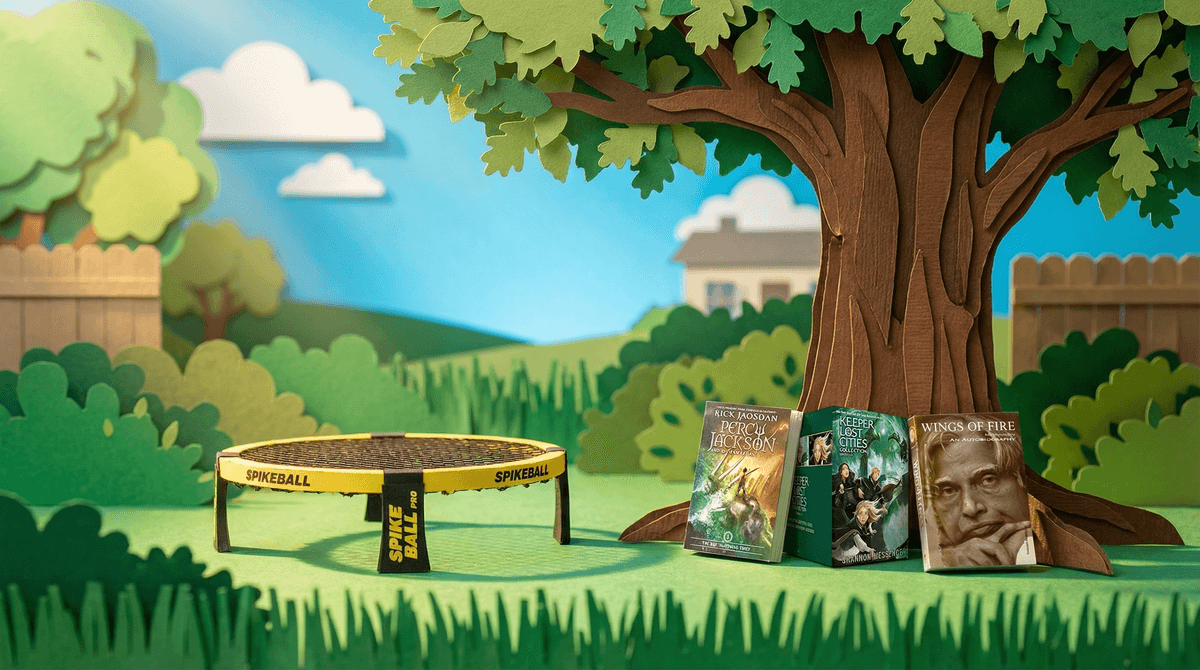
- Sports skills: Not organized leagues—just practicing skateboarding, basketball, or learning to juggle. Spikeball is huge with this age group.
- Nature journaling: Sketching, collecting specimens, identifying plants and insects. Combines art, science, and being outside.
- Reading challenges: Not to be underestimated. A good book series (Percy Jackson, Wings of Fire, Keeper of the Lost Cities) can keep a kid absorbed for hours.
Ages 13+: Social Connection and Real-World Skills
Teens aren't going to be excited about craft projects. They need activities that feel age-appropriate and ideally involve their friends.
- Job or volunteer work: Actual employment, pet-sitting, tutoring younger kids. Real responsibility = real engagement.
- Passion projects: Learning an instrument, writing, photography, working out. Support whatever they're genuinely interested in.
- Social hangouts: Pool days, mall trips, movie nights at home. Yes, they'll probably also be on their phones. That's okay—the point is face-to-face time too.
- Cooking and baking: Teens who can cook have a life skill and a social currency (everyone loves the friend who makes good brownies).
- Adventure outings: Hiking, beach days, exploring new neighborhoods. They're old enough to help plan these.
Stock the supplies: You can't do art projects if you're out of paper. You can't cook if there's no food. Set yourself up for success with a summer supply run: craft materials, sports equipment, board games, books, ingredients for simple recipes.
Create a "bored jar": Write activities on popsicle sticks. When someone says "I'm bored," they pick one. This removes you from the entertainment director role.
Build in screen time strategically: This isn't about zero screens all summer. But maybe screens come after an hour of outdoor play, or after reading time. Use them as a rhythm-setter, not a pacifier.
Invite friends over: Kids are way more engaged when friends are involved. Yes, your house will be loud and chaotic. That's what summer is supposed to be.
Lower your standards: The backyard's going to be a mess. They're going to get dirty. Projects will be half-finished. This is all fine.
Plan some structure: A few camps, classes, or regular activities (library story time, a weekly park meetup) give shape to the week without over-scheduling.
They will. Kids who are used to high-stimulation entertainment will initially resist lower-key activities. This is normal and doesn't mean you're doing it wrong.
Expect an adjustment period: The first few days of reduced screen time might be rough. Stick with it. Boredom is not an emergency.
Don't over-sell it: "We're going to have SO MUCH FUN making friendship bracelets!" sets everyone up for disappointment. Just present options neutrally.
Let them be bored: Seriously. Boredom is where creativity comes from. If they're safe and fed, they can handle some unstimulated time.
Participate sometimes: Not everything—they need independent play too. But joining in occasionally shows these activities have value.
Screen-free summer activities aren't about being the Pinterest parent or proving anything to anyone. They're about giving kids a chance to build skills, tolerance for boredom, and memories that don't involve a screen.
You don't need an elaborate plan or a massive budget. You need some basic supplies, reasonable expectations, and the willingness to let things be messy and imperfect.
Will your kids still use screens this summer? Probably yes. Should you feel guilty about that? Absolutely not. The goal is balance, not perfection.
Start small: Pick 2-3 activities from this list that seem doable for your family. Get the supplies. Put them somewhere visible. See what happens.
Summer's going to fly by anyway. Might as well have some fun with it.
Need help figuring out how much screen time is actually reasonable for your kid's age? Check out age-appropriate screen time guidelines or See summer screen time guidelines about creating a summer media plan that works for your family.