

Latin American folklore is rich with terrifying stories that have been passed down for generations — La Llorona (the Weeping Woman), El Cucuy (the Boogeyman), La Lechuza (the witch-owl), El Chupacabra, and dozens more. These aren't your typical jump-scare horror villains. They're deeply rooted in cultural history, often serving as cautionary tales about morality, family, and consequences.
Hollywood has increasingly been adapting these legends into films, from The Curse of La Llorona to smaller indie productions. Streaming platforms like Netflix, Hulu, and Shudder are also producing Spanish-language horror that draws from these stories. And here's the thing: many kids are encountering these legends not through careful family storytelling, but through TikTok clips, YouTube reaction videos, or friends at school talking about "that scary lady in the white dress."
For families with Latin American heritage, these stories might already be part of your cultural fabric — maybe abuela told you about La Llorona to keep you from wandering off at night. For other families, these films can be a window into rich storytelling traditions. Either way, as parents, we need to understand what our kids are watching and why these particular scary stories hit different.
They're everywhere right now. Latin American horror has had a serious moment in pop culture. The success of films like Coco (not horror, but deeply rooted in Mexican traditions around death) opened doors for more culturally specific storytelling. Kids are curious about different cultures, and horror is often their entry point.
The legends are genuinely creepy. Unlike slasher films or monster movies, these stories tap into primal fears: a mother's grief turning into rage, shapeshifters that look human, creatures that punish bad behavior. They're psychological in a way that sticks with you.
They're social currency. Knowing about La Llorona or El Cucuy is cool right now, especially among middle schoolers. It's the kind of scary story that gets retold at sleepovers and in group chats. Kids want to be in on the cultural knowledge.
For Latino kids specifically, these stories can be a point of pride and connection to their heritage, even if the Hollywood versions don't always get it right. There's something powerful about seeing your culture's stories on screen, even in horror form.
Here's where it gets tricky. These films range from PG-13 supernatural thrillers to R-rated horror with graphic violence. And the MPAA rating doesn't always capture the type of scary that might affect your particular kid.
Ages 6-9: Probably not yet
Most films based on these legends are too intense for this age group. The themes — child death, parental abandonment, violence — are heavy. That said, if your family already tells these stories as folklore, you know your kid's tolerance. Some families introduce La Llorona as a cultural story (not a movie) around this age, similar to how other cultures share cautionary fairy tales.
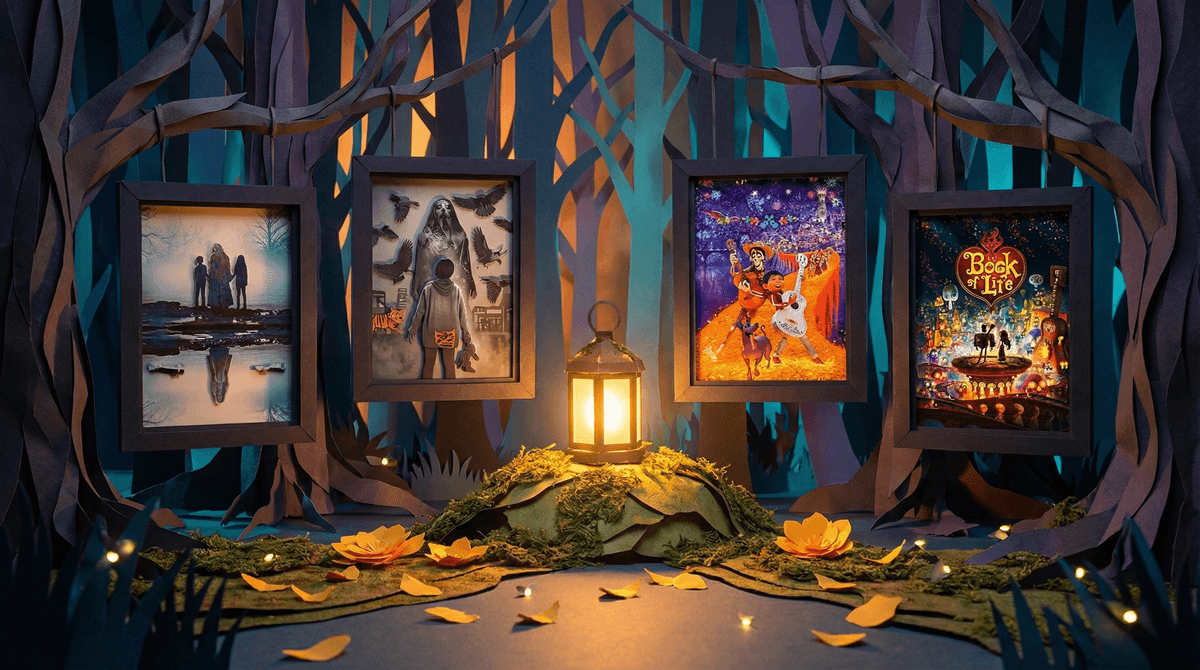
If you want age-appropriate spooky content with Latin American cultural elements, try Coco or The Book of Life instead. They deal with death and the afterlife but in beautiful, non-traumatizing ways.
Ages 10-12: Maybe, with major caveats
This is the "it depends on your kid" zone. Some mature 11-year-olds can handle PG-13 supernatural horror, especially if you watch together and talk through it. Others will have nightmares for weeks.
The Curse of La Llorona is PG-13 but has intense jump scares and themes of child endangerment that can be genuinely upsetting. It's not particularly gory, but it's scary scary. If your kid is the type who loved Goosebumps or handles Stranger Things well, they might be ready. If they're still having nightmares from Coraline, absolutely not.
Ages 13+: Most are appropriate with discussion
Teens can generally handle the PG-13 and even some R-rated entries in this genre, though you'll want to check specific content warnings. The violence in these films is often less graphic than typical horror (though there are exceptions), but the psychological horror can be intense.
Films like Tigers Are Not Afraid (a Mexican film about orphans haunted by ghosts during the drug war) are critically acclaimed but deal with real-world violence alongside supernatural elements. That's a different conversation than pure folklore horror.
Cultural context matters — a lot. If you're watching these films with kids who don't have Latin American heritage, take a minute to explain that these aren't just "scary stories Hollywood made up." They're real legends that have cultural significance. You can learn more about the origins of these legends if you want to go deeper.
Hollywood doesn't always get it right. Some Latino viewers have criticized films like The Curse of La Llorona for stripping away cultural nuance or getting details wrong. It's worth reading what Latino critics and audiences have said about specific films before presenting them as authentic cultural education.
The themes are heavy. Many of these legends involve child death, parental grief, or violence against women. La Llorona drowned her own children. El Cucuy kidnaps misbehaving kids. These aren't abstract monster stories — they're about real human horrors with supernatural twists. Make sure your kid is ready for that.
Jump scares vs. psychological horror. Some of these films rely heavily on jump scares (loud noises, sudden appearances), which are startling but not necessarily traumatizing. Others build slow, creeping dread. Know which type your kid handles better. Jump scares might make them laugh nervously; psychological horror might keep them up at night.
They might come with questions about death, religion, and morality. Many of these legends are tied to Catholic imagery and beliefs about the afterlife, sin, and redemption. Be ready to talk about why these stories exist and what they meant to the people who told them.
Do your homework first. Watch it yourself or read detailed reviews on Common Sense Media or parent forums. The MPAA rating is a starting point, not the full story.
Watch together, not alone. This isn't the content to let your 11-year-old watch in their room at night. Co-viewing lets you pause for questions, gauge their reactions, and provide comfort if needed.
Talk about it afterward. "What did you think?" "What was the scariest part?" "Do you want to know the real legend behind this?" Processing together helps kids put the scary stuff in context.
Offer alternatives if they're interested in the culture but not ready for horror. There are amazing Latin American films and shows that celebrate the culture without the nightmares. Encanto, Coco, and Maya and the Three are all excellent starting points.
Respect if they tap out. If your kid says "this is too scary," believe them. There's no prize for powering through content that genuinely frightens them.
Scary movies based on Latin American legends can be a fascinating entry point into rich cultural storytelling — but they're not for every kid, and they're definitely not for every age. These aren't your typical Hollywood horror films. They carry cultural weight, deal with heavy themes, and can be genuinely frightening in ways that stick with kids.
If your kid is curious about these stories, start with the folklore itself. Tell them about La Llorona or El Cucuy in a non-scary context. Watch culturally rich films that aren't horror. And if you do decide to watch the scary versions, do it together, with lots of conversation before, during, and after.
Horror can be a legitimate way to explore culture, confront fears, and bond as a family — but only if everyone's actually ready for it.