

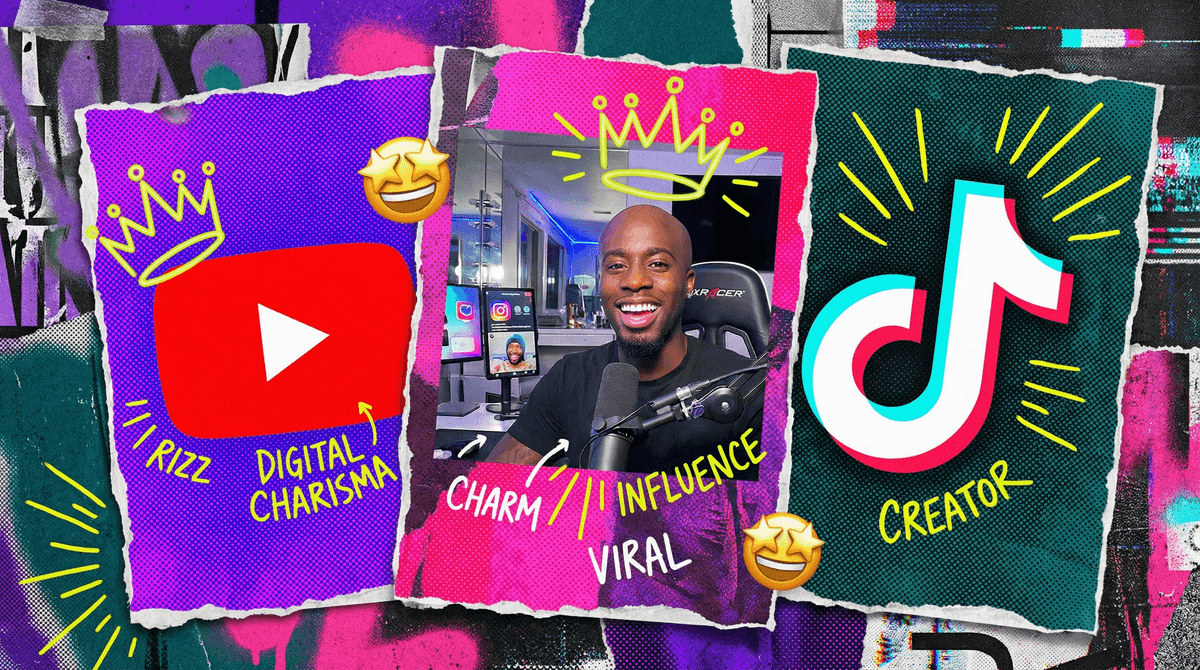
Let's get straight to it: rizz is Gen Z and Gen Alpha slang for charisma, specifically the kind that helps you attract romantic interest. Think of it as the modern version of "game" or "smooth-talking ability." If your kid has rizz, they're charming. If they're "rizzing someone up," they're flirting. And if someone is the "rizzler," they're basically the most charismatic person in the room.
The term exploded in 2022-2023, thanks largely to Twitch streamer Kai Cenat, who popularized it to the point where it became Oxford Dictionary's Word of the Year in 2023. Yes, really. Oxford chose "rizz" over thousands of actual words that don't make you feel 100 years old when you say them out loud.
Your middle schooler isn't just being random when they talk about rizz—it's become a genuine part of youth vocabulary, right up there with "slay," "no cap," and whatever else they're saying that makes you feel ancient.
Here's the thing: kids have always cared about being likable and attractive to their peers. Rizz is just the current linguistic package for something timeless. But there are a few reasons it's particularly sticky right now:
It's aspirational and measurable. Kids love ranking systems (hello, tier lists for literally everything), and rizz has become something you can "have" or "not have," which means it can be discussed, debated, and—most importantly—improved upon. There's even a whole genre of "rizz lines" (pickup lines) that kids share like trading cards.
It's humor-coded. Most kids using the term aren't actually trying to date—they're joking around with friends. Saying someone has "W rizz" (winning rizz, aka good game) or "L rizz" (losing rizz, aka no game) is more about banter than actual romantic assessment. It's playful social currency.
It's everywhere online. From YouTube shorts to TikTok compilations to Roblox memes, rizz content is inescapable. Kids see it, share it, and absorb it into their daily vocabulary without thinking twice.
If you want to truly understand what your kid is talking about, here's the breakdown:
- W rizz = good charisma, successful flirting
- L rizz = bad game, awkward attempts at charm
- Unspoken rizz = natural charisma without trying (the highest tier, basically)
- Negative rizz = actively repelling people with your attempts to be charming
- Rizzler = someone with exceptional rizz
- Rizzed up = successfully charmed someone
There are also phrases like "rizz 'em up" (go flirt with them) and the absolutely ridiculous "sticking out your gyat for the rizzler" lyric from a viral song that your kid has definitely heard and you definitely don't want to know more about.
Most kids aren't using this in genuinely romantic contexts. For elementary and middle schoolers especially, rizz is more about social clout and humor than actual dating. It's the equivalent of past generations talking about who's "cool" or who has "swag"—just with a specifically flirtatious angle.
That said, it does normalize talking about attraction and flirting at younger ages. If your 8-year-old is talking about having rizz, they're probably just parroting what they've seen online. But it's worth noting that they're being exposed to romantic/flirtatious concepts earlier than previous generations, largely through social media and YouTube content.
The real concern isn't the word—it's the content around it. The term itself is harmless. But the "rizz line" videos your kid might be watching? Those can range from genuinely funny and innocent to... not great. Some content teaches manipulative behavior, objectification, or pickup artist tactics disguised as jokes. If your kid is deep in YouTube Shorts or TikTok, it's worth occasionally checking what kinds of "rizz" content they're consuming.
It can also create pressure. Just like any social ranking system, the concept of having or not having rizz can make kids feel self-conscious. If your kid seems worried about being perceived as having "L rizz" or "negative rizz," that's worth a conversation about how online humor doesn't define their actual worth or likeability.
If rizz comes up in conversation (and it probably will), here's how to handle it without being cringe:
Don't overreact. Hearing your 10-year-old talk about rizz doesn't mean they're secretly dating or inappropriately focused on romance. Most of the time, it's just language play.
Ask what they think it means. You might be surprised—many kids use it without fully understanding the flirtatious connotation. It's become so meme-ified that it sometimes just means "cool" or "confident."
Talk about what real charisma looks like. If your kid is genuinely interested in being more likable or confident (which is what "wanting rizz" often boils down to), this is a great opportunity to discuss actual social skills: being a good listener, showing genuine interest in others, being kind, having confidence without arrogance. You know, the stuff that actually matters.
Monitor the content, not the word. If they're watching "rizz compilation" videos, take a look. Some are harmless cringe humor. Others teach genuinely problematic ideas about how to treat people you're attracted to. Use this as a chance to talk about healthy relationship dynamics , even in age-appropriate ways.
Rizz is just another word in the ever-evolving dictionary of kid slang. It's not inherently harmful, and it's not a sign your kid is growing up too fast. But like most internet-born trends, it comes with context that's worth paying attention to.
The word itself? Totally fine. The content ecosystem around it? Worth a periodic check-in, especially if your kid is spending significant time on platforms like YouTube, TikTok, or Roblox where this language is everywhere.
And hey, if your kid tells you that you have "W rizz" after you successfully negotiate extra vegetables at dinner, just take the compliment. You've earned it.
- Check what kind of "rizz" content your kid is actually watching—search their YouTube or TikTok history for the term
- If they're on Roblox, be aware that rizz jokes and roleplay are common in social games
- Use this as a conversation starter about what makes someone genuinely likable (spoiler: it's not pickup lines)
- Learn more about age-appropriate conversations about attraction and relationships