

Low-Tech, High-Impact: Screen-Free Products That Give Kids Real Connection
Here's something wild: 68% of elementary-aged kids in your community don't have phones yet, but that doesn't mean they don't crave independence and connection. And honestly? That tension—between wanting our kids to feel capable and not wanting to hand them a dopamine slot machine—is one of the hardest parts of modern parenting.
The good news is there's a growing category of products that thread this needle beautifully: low-tech tools that give kids real autonomy without the digital chaos. Think of them as the bridge between "you're too young for a phone" and "here's an iPhone, good luck out there."
These are devices and tools designed specifically to give kids connection, creativity, and independence without screens, social media, algorithms, or the endless scroll. They're not trying to be smartphones-lite. They're intentionally limited—and that's exactly the point.
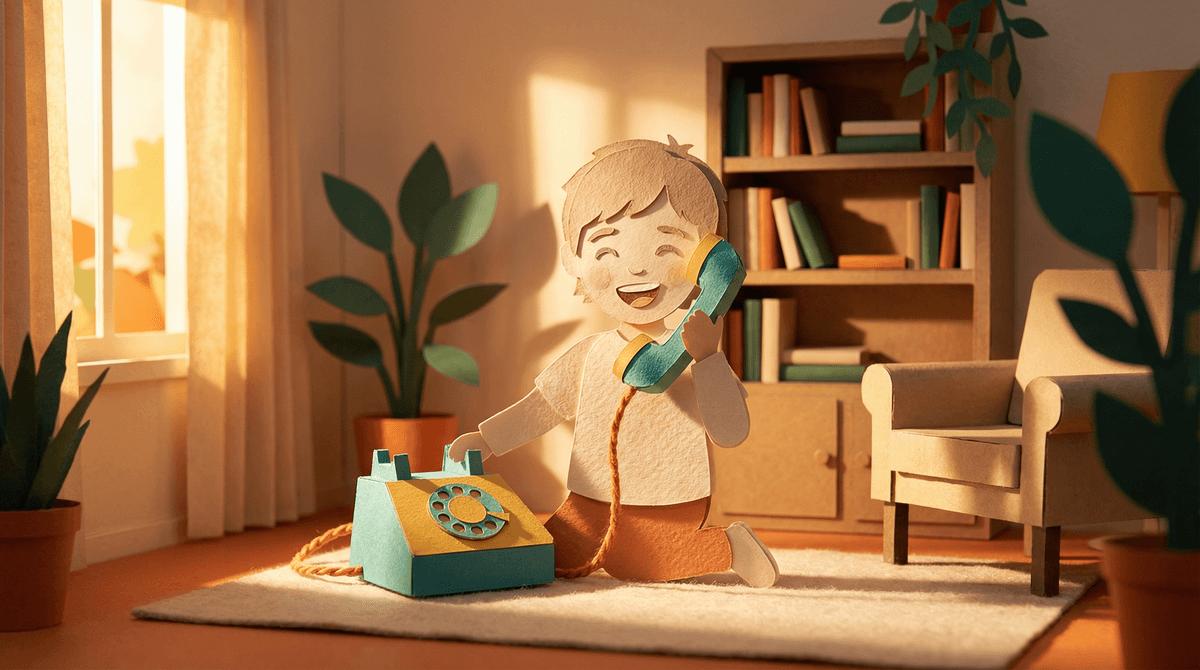
The star of this category right now? Tin Can, a screen-free "landline" for kids that's basically a Wi-Fi-connected speaker phone. Kids can call approved contacts (Grandma, their best friend down the street, you) with the push of a button. No texting. No strangers. No TikTok rabbit holes at 11 PM. Just actual conversation.
It's genius because it solves the real problem: kids want to connect with people they care about. They don't actually need Snapchat streaks or Instagram DMs to do that—but we've convinced ourselves (and them) that they do.
We're in this weird moment where the average kid is getting 4.2 hours of screen time per day (weekdays and weekends combined, according to community data), and a lot of that time isn't even enjoyable. It's just... habitual. Mindless. The digital equivalent of eating stale crackers because they're there.
Meanwhile, 30% of kids are already using devices independently—meaning without direct parental supervision. That's not inherently bad, but it does mean we need to be thoughtful about what they're using independently.
Low-tech products let you say "yes" to independence without saying "yes" to everything that comes with a smartphone. And honestly, that feels like a parenting win in 2026.
Tin Can (The Screen-Free Phone)
This is the product getting all the buzz, and for good reason. It's a physical device that sits in your kid's room (or wherever) and lets them make and receive calls from a parent-approved contact list. There are two versions:
- Tin Can (Wi-Fi): Wireless, portable, connects via your home Wi-Fi
- Tin Can Flashback (Wired): Plugs into the wall, no Wi-Fi needed—pure nostalgia vibes
Kids get the thrill of "calling their friend" without you worrying about what else they're accessing. And because it's voice-only, they're actually building communication skills—something texting doesn't teach.
Best for: Ages 6-12, kids who want to connect with friends or family but aren't ready for a phone.
Tonies (Audio Storytelling)
These are adorable little figurines that play audiobooks, music, and stories when placed on a speaker box. Zero screens. Kids control what they listen to by choosing which "Tonie" to put on the box. It's tactile, screen-free, and promotes language development and imagination.
Best for: Ages 3-8, especially kids who love stories but you're trying to limit YouTube Kids.
Mighty or Yoto (Music Players for Kids)
These are tiny, screen-free music players that let kids listen to Spotify, Amazon Music, or audiobooks without needing a smartphone. The Mighty clips onto their backpack. The Yoto is more of a bedside speaker with cards kids can swap out.
Best for: Ages 5-12, kids who want their own music but don't need access to the entire internet to get it.
Classic Builder Sets, Art Supplies, and Outdoor Toys
Look, I know this sounds obvious, but it's worth saying: Lego, Play-Doh, puzzles, sports equipment, and art supplies are still some of the highest-impact "products" you can give a kid. They're low-tech by definition, and they build creativity, problem-solving, and fine motor skills in ways that apps just don't.
The trick is making them accessible and visible. If the Lego is buried in a bin in the garage, it might as well not exist. But if it's out on a shelf where they can see it? Game changer.
These aren't anti-technology—they're pro-intention
Using a Tin Can or a Tonie isn't about rejecting modern life. It's about being deliberate. You're not saying "screens are evil." You're saying "my 7-year-old doesn't need Instagram, but they do need to call Grandma."
They buy you time
The average age for a first smartphone keeps creeping earlier, but 22% of kids in your community already have smartphones—and many of them probably got them younger than their parents initially planned. Low-tech tools let you delay that decision without your kid feeling completely left out. They still get independence. Just not infinite access to the internet.
They're conversation starters
When your kid asks, "Why can't I just have a phone like everyone else?"—and they will—you can point to the Tin Can and say, "You can call your friends whenever you want. What you're really asking for is social media and texting, and we're not there yet." It reframes the conversation from "you don't trust me" to "we're building up to that."

Low-tech, high-impact products aren't a magic bullet, but they're a really solid middle ground. They let kids practice independence, stay connected to people they love, and build skills—without the algorithmic chaos of a smartphone.
If you're in that stage where your kid is asking for more freedom but you're not ready to hand over a device with unfettered internet access, these tools are worth exploring. Tin Can is leading the pack for good reason, but the whole category is growing fast—and that's a good sign. It means more parents are realizing that "connection" and "screens" don't have to be synonyms.
- Check out Tin Can if your kid is asking to call friends independently
- Browse alternatives to smartphones for kids to see what else is out there
- Talk to your kid about what they actually want when they say they want a phone—you might be surprised that it's not about the device itself
And if you're trying to figure out where your family fits in all this, Screenwise can help you map out your digital plan based on what's actually happening in your community and what matters to your family. Because at the end of the day, there's no one-size-fits-all answer—just the answer that works for your kid.