

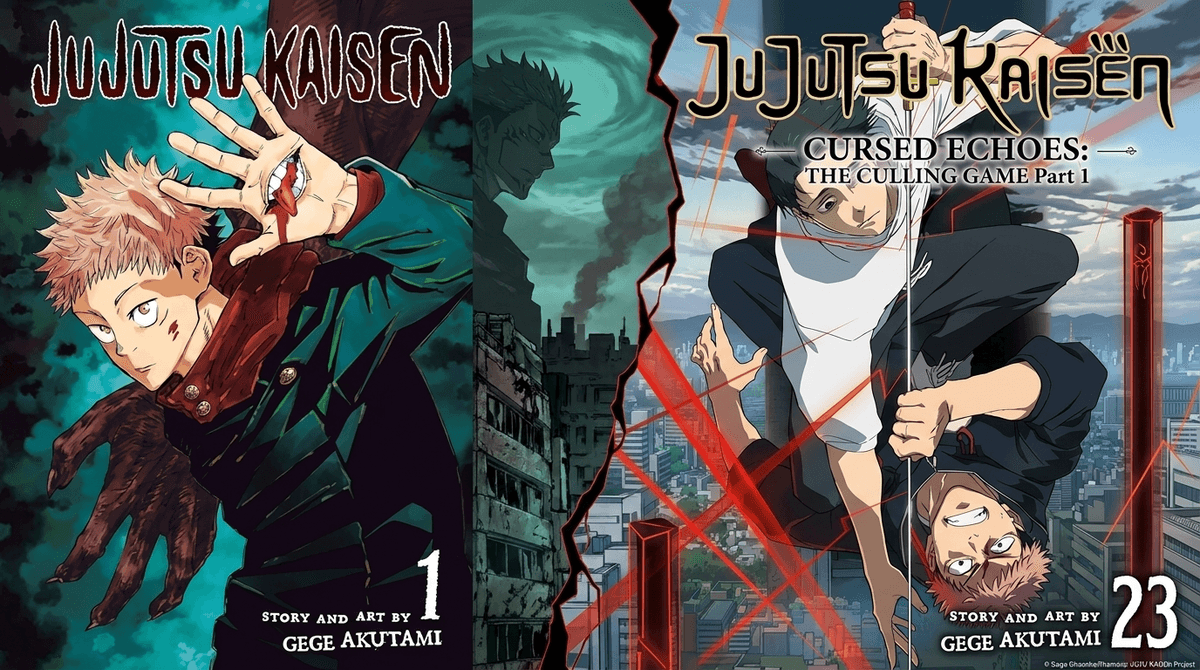
Jujutsu Kaisen Modulo: A Parent's Guide to the Futuristic Sequel
TL;DR: Jujutsu Kaisen Modulo is the time-jump sequel to the massively popular manga Jujutsu Kaisen, featuring the original characters decades in the future dealing with alien threats instead of cursed spirits. It's darker and more violent than the original series, with mature themes around war, sacrifice, and intergenerational trauma. Recommended for ages 16+, especially if your teen loved the original series. If your kid is already deep in JJK fandom culture on Discord (4% of families in our community use it) or TikTok (8% usage), they're probably already talking about Modulo.
Jujutsu Kaisen Modulo (often abbreviated as JJK Modulo) is the sequel manga series to Gege Akutami's hit Jujutsu Kaisen, which concluded its main storyline in 2024. The original series followed high schooler Yuji Itadori as he joined a secret society of sorcerers fighting cursed spirits—think supernatural action with intense fight sequences, complex power systems, and surprisingly deep character development.
Modulo takes place approximately 30 years after the original series ends. The teenage heroes are now middle-aged mentors, and the world faces a new existential threat: an alien invasion that operates on completely different rules than the curse-based magic system fans spent years learning. It's essentially a soft reboot that lets Akutami explore sci-fi themes while maintaining emotional continuity with beloved characters.
The series launched in late 2025 in Japan and hit English translation in early 2026, with both physical volumes and digital chapters available through Viz Media and the Shonen Jump app.
If your teen loved the original JJK, Modulo hits that sweet spot of familiarity and novelty. They get to see what happened to Yuji, Megumi, Nobara, and the rest of the cast—who survived, who didn't, who had kids, who's still fighting. It's like checking in on old friends, except those friends are now dealing with PTSD, complicated legacies, and the weight of past decisions.
The alien threat also appeals to teens who felt the original series got repetitive with its curse-based battles. Modulo introduces completely new power dynamics, forcing both characters and readers to relearn combat rules. For teens who love theorycrafting and analysis (and trust me, JJK fans are DEEP into theory culture), this reset provides fresh material to dissect.
The manga also leans heavily into themes of generational change and legacy—asking whether the next generation can do better than the last, whether trauma gets inherited or broken, whether old solutions work for new problems. These resonate with teens navigating their own relationships with authority, parents, and inherited systems.
And let's be real: the art is stunning. Akutami's fight choreography was already top-tier, but the sci-fi aesthetic brings new visual flair that looks incredible and translates perfectly to fan art, cosplay, and YouTube analysis videos (42% of kids in our community use YouTube solo, 38% with supervision).
The original Jujutsu Kaisen was rated Teen (13+) by most standards, with significant violence but relatively restrained gore and mature themes. Modulo is notably darker and more intense.
Violence and Gore: Fight scenes feature graphic dismemberment, body horror involving alien biology, and explicit death sequences. Characters die suddenly and brutally—not always heroically. The alien designs incorporate disturbing biological elements (think parasitic infection meets cosmic horror).
Mature Themes: The series tackles war trauma, survivor's guilt, the ethics of child soldiers (several new characters are teenagers recruited to fight), and generational cycles of violence. One major subplot involves a character dealing with the fact that they sent their own students to die in the original series' final battle.
Language: Stronger profanity than the original, though this varies by translation.
Sexual Content: Minimal so far, but there are adult relationships and implied intimacy between older characters. Nothing explicit, but more present than the teen-focused original.
Existential Dread: The alien threat is portrayed as potentially unbeatable, creating a pervasive sense of hopelessness that some teens might find heavy. Unlike typical shonen manga where friendship and determination guarantee victory, Modulo suggests some problems might not have solutions.
Here's where it gets interesting for parents: Jujutsu Kaisen has one of the most active fan communities in anime/manga, and Modulo is amplifying that intensity.
Spoiler Culture: New chapters drop weekly, and spoilers spread instantly across social media. If your teen cares about avoiding spoilers, they'll need to either read chapters immediately or avoid certain corners of the internet every Thursday/Friday. This creates pressure to stay current that can feel stressful.
Theory Videos and Analysis: YouTube is flooded with chapter breakdowns, theory videos, and analysis content. Some of this is excellent—genuinely thoughtful media literacy in action. Some is clickbait garbage designed to maximize engagement. Learn more about helping teens navigate YouTube content critically .
.
Fan Art and Shipping: The fandom creates tons of art, ranging from wholesome to explicitly sexual. If your teen is browsing fan content on platforms like Twitter/X, Tumblr, or DeviantArt, they'll encounter adult content even if they're not seeking it out. Most platforms have content filters, but they're imperfect.
Discord Servers: JJK fan Discord servers (remember, only 4% of our community families use Discord, so this is still relatively niche) can be great spaces for discussion but also expose teens to unmoderated conversations with strangers. If your teen is in JJK Discord communities, check out our guide on Discord safety.
Piracy Pressure: Official English chapters cost money through the Shonen Jump subscription ($2.99/month). Many teens access chapters through piracy sites, which expose them to malware risks and normalize copyright violation. Worth a conversation about supporting creators and digital safety.
Ages 13-15: Probably too intense for most kids in this range, even if they read the original series. The tonal shift toward darkness and the mature thematic content (war, trauma, existential dread) are better suited for older teens. If your 13-15 year old is desperate to read it, consider reading alongside them and having regular check-ins about the heavier content.
Ages 16-18: This is the sweet spot. Teens in this range who enjoyed the original series will appreciate the maturity and complexity. They're also more equipped to handle the violence and dark themes with appropriate context. Still worth checking in about how they're processing some of the heavier material.
College Age and Up: Totally appropriate. At this point, it's just another piece of media for young adults who enjoy dark fantasy/sci-fi.
It's a Sequel: Your teen will get much more out of Modulo if they've read/watched the original Jujutsu Kaisen first. The emotional beats depend on knowing who these characters were and what they went through. If they're jumping in fresh, they'll be confused.
The Original Anime is More Accessible: If your teen hasn't experienced JJK yet and wants to start, the anime adaptation is excellent and available on Crunchyroll. It's easier to watch together than reading manga, if you want to understand what they're into.
Physical Books vs. Digital: Physical manga volumes are released every few months and cost around $10-12 each. Digital chapters through Shonen Jump are much cheaper ($2.99/month for the entire catalog) but require screen time. Consider which format works better for your family's screen time boundaries.
This Could Be a Long Series: The original JJK ran for about 4 years. If Modulo follows a similar trajectory, your teen is signing up for years of investment in this story. That's not necessarily bad—sustained interest in complex narratives is actually great for literacy development—but worth noting.
Community Engagement Can Be Positive: Despite the concerns about spoilers and adult content, many teens find genuine community and creative outlet through JJK fandom. They're writing, drawing, analyzing narrative structure, discussing character development. These are valuable skills. The key is helping them navigate the spaces safely.
If your teen is reading Modulo, here are some questions to spark meaningful conversation:
- "How do you feel about seeing the original characters as adults? Does it change how you think about them?"
- "The series deals a lot with whether old solutions work for new problems. Do you see parallels to real-world issues?"
- "Some of the violence is pretty intense. How do you process that? Does it affect you differently than violence in movies or games?"
- "What do you think about the way the series handles trauma and PTSD? Does it feel realistic?"
- "Are there fan theories you're following? What makes a good theory versus a bad one?"
These questions show you're interested without being judgmental, and they help teens practice articulating their media analysis—a genuinely useful skill.
Jujutsu Kaisen Modulo is a sophisticated, dark sequel that rewards fans of the original series with mature storytelling and stunning artwork. It's not for younger teens, and even older teens should go in knowing it's heavier than typical shonen manga.
If your 16+ teen loved the original JJK and can handle intense violence and dark themes, Modulo is a legitimate piece of quality media. The writing is smart, the art is gorgeous, and the themes are thought-provoking. It's the kind of manga that can spark genuine conversations about war, legacy, and whether we're doomed to repeat our parents' mistakes.
Just make sure they're reading it legally (support creators!), help them navigate the fan community safely, and check in occasionally about the heavier content. And if they try to explain the alien power system to you at dinner, just smile and nod—you probably won't understand it anyway, and that's okay.
Want to explore similar manga with your teen? Check out our guide to dark fantasy manga for older teens or learn about the broader world of shonen manga.