

Is Stranger Things Too Scary for 11-Year-Olds?
Stranger Things sits right at that awkward edge for 11-year-olds. Season 1 is manageable for most mature 11-year-olds, but Seasons 3-5 get significantly more intense with gore, body horror, and psychological terror that many kids this age aren't ready for. The irony? The main characters start at age 12, but the show itself has aged into TV-MA territory that's genuinely not appropriate for the age group it depicts.
If you're looking for alternatives with similar vibes but less intensity: Lockwood & Co, The Mysterious Benedict Society, or A Series of Unfortunate Events.
The Netflix rating is TV-14, but that's doing a lot of heavy lifting across five seasons with wildly different intensity levels. Season 1 dropped in 2016 as a nostalgic 80s throwback with Spielbergian charm and relatively restrained scares. By Season 4 (2022), we're watching teenagers get their bones snapped in mid-air and dealing with graphic violence that would make many horror films blush.
The core appeal is real: Kids love the friend-group dynamics, the 80s aesthetic feels fresh to them (not nostalgic), and the "kids saving the world" premise is catnip for tweens who want to feel capable. Plus, let's be honest—it's culturally huge. If your 11-year-old hasn't seen it, they're definitely hearing about it at school.
Season 1: The Gateway Drug
Scary elements: The Demogorgon is genuinely creepy, there's some body horror with the slug stuff, and Barb's death is sad but not graphically shown. The lab scenes are tense.
Why it works for some 11-year-olds: The horror is mostly atmospheric. The monster is scary but not constantly on-screen. The focus is on friendship, problem-solving, and Eleven being a total badass. Most of the violence happens off-screen or in shadows.
Red flags: Will's episodes in the Upside Down can be disturbing. The sensory deprivation tank scenes might freak out anxious kids. There's some language (mostly "shit" and "bitch").
Season 2: Still Manageable
Scary elements: The Mind Flayer is more psychological horror than jump scares. The "possessed Will" storyline is intense but handled with some restraint. The demodogs are scary but feel more like action sequences.
Why it might still work: Similar tone to Season 1. The scares are earned and purposeful. The emotional beats (Bob's death) are sad but not gratuitously violent.
Red flags: Bob's death scene is rough. The tunnel sequences are claustrophobic. Eleven's anger/powers scenes get more intense.
Season 3: The Turn
Scary elements: The Mind Flayer's meat monster is gross. Like, really gross. Body horror ramps up significantly. The mall battle is violent. Billy's possession and death are traumatic.
This is where it gets dicey: The gore level jumps considerably. People melting into goo. Rats exploding. The hospital scene with the lifeguard is nightmare fuel. This season earned its TV-14 rating through sheer visceral content.
Red flags: If your kid is sensitive to body horror, stop here. The "Flayed" transformations are disturbing. Billy's storyline deals with abuse and possession in ways that are psychologically heavy.
Season 4: Absolutely Not for 11-Year-Olds
Scary elements: Vecna snapping teenagers' bones and crushing their bodies while their eyes pop out. Multiple graphic deaths shown on-screen. Extended torture sequences. Psychological horror about trauma and PTSD.
Why this is a hard no: This season is legitimately traumatizing content. The deaths are graphic, prolonged, and designed to horrify. The running time (episodes are movie-length) means extended exposure to intense content. Even many adults found this season too much.
Additional concerns: The Russia plotline includes torture and violence. The Vecna backstory includes child murder. Max's storyline deals with depression and suicidal ideation in ways that require maturity to process.
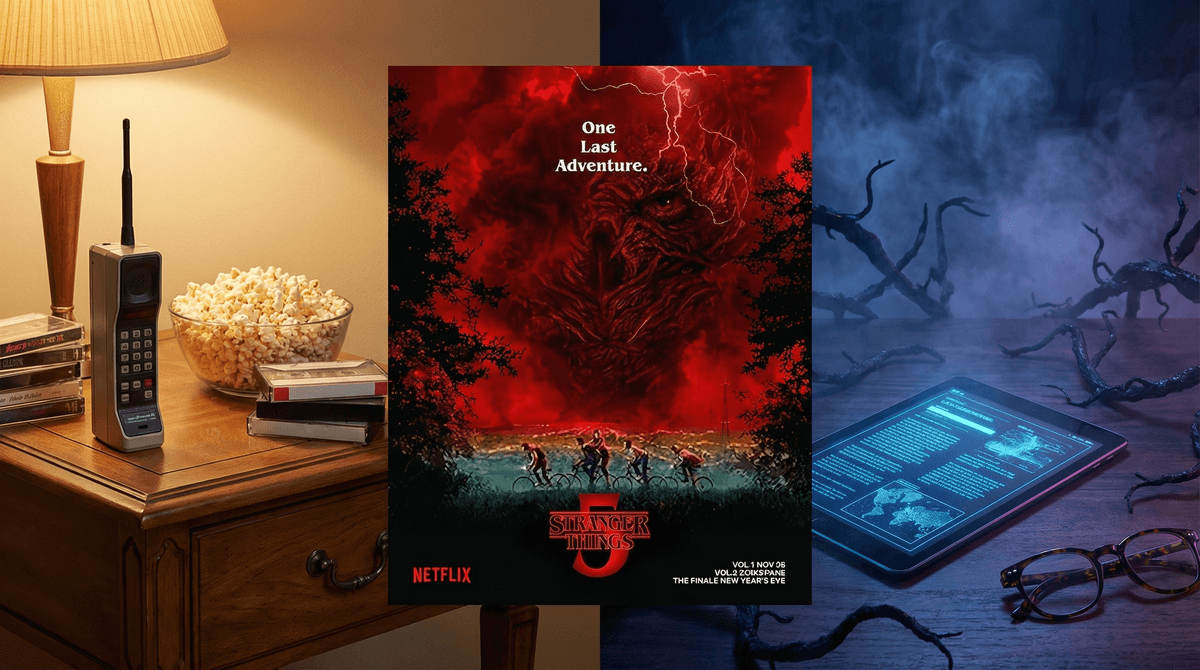
Season 5: TBD (Releases 2025)
The Duffer Brothers have said this will be the darkest season yet. Given Season 4's intensity, that's not a promising sign for younger viewers.
The thing is, every 11-year-old is different. Some kids at this age have watched The Walking Dead and are fine. Others get nightmares from Coraline.
Common triggers in Stranger Things:
- Body horror: The transformation sequences, melting, bone-breaking
- Jump scares: Especially in the Upside Down sequences
- Psychological horror: Possession, loss of control, characters you love dying
- Gore: Blood, violence shown on-screen, medical horror
- Existential dread: The idea that monsters could be anywhere, that adults can't protect you
What tends to be okay:
- Monster designs: Kids often find the Demogorgon and Mind Flayer cool rather than scary
- Suspense: The tension-building actually works for many kids who like being "scared" in a controlled way
- Character deaths: If they're not graphically violent, kids process these as sad rather than traumatic
This is the elephant in the room. By middle school, a significant chunk of kids have seen at least some of Stranger Things. It's referenced constantly. The Halloween costumes, the memes, the Dungeons & Dragons renaissance it sparked.
Your kid is probably hearing about it even if they haven't watched it. And honestly? Sometimes the schoolyard descriptions are scarier than the actual show because kids love to one-up each other with how "scary" it is.
Options if you're feeling the pressure:
- Watch Season 1 together and see how they handle it
- Read episode summaries and skip the scary parts (yes, really—this is valid)
- Let them watch with friends at a sleepover where you can't control it anyway, or take the reins and make it a supervised group watch at your house
- Acknowledge they'll probably see it eventually and focus on media literacy conversations
For mature 11-year-olds (and you know if your kid is one):
- Season 1: Probably fine with co-viewing
- Season 2: Still manageable for most
- Season 3: Watch first yourself, decide based on their tolerance for body horror
- Season 4: Wait. Seriously.
For sensitive 11-year-olds:
- Maybe wait on the whole thing
- Or watch Season 1 and call it good
- There's no shame in saying "this isn't for our family right now"
For anxious kids:
- The possession storylines might be particularly triggering
- The "monsters could be anywhere" vibe can fuel real anxiety
- Consider whether they're already dealing with nightmares or bedtime fears
If you decide to let your 11-year-old watch (at least the early seasons), co-viewing is your friend:
Before watching:
- Set expectations: "This is scary, and if it's too much, we stop"
- Explain the 80s setting so they understand the cultural references
- Maybe watch a making-of video to demystify the effects
During watching:
- Keep lights on (seriously, it helps)
- Pause for questions or if they need a break
- Point out the practical effects and CGI to break the immersion when needed
- Fast-forward through the genuinely rough parts—nobody's giving you a parenting award for making your kid watch Bob die
After watching:
- Process what they saw: "What part was scariest? What did you think about X?"
- Remind them it's fiction (sounds obvious, but 11-year-olds sometimes need this)
- Watch for changes in behavior, sleep, anxiety over the next few days
The language is there but not constant: Mostly "shit," "bitch," "ass." Some "fuck" in later seasons. If you're okay with Harry Potter language, this is similar.
There's teen romance but it's pretty tame: Some kissing, some sexual tension, but nothing explicit. Season 3 has some innuendo that will go over younger kids' heads.
The themes get heavy: Trauma, PTSD, abuse, grief, depression—especially in later seasons. These aren't just backdrop; they're central to character arcs.
The runtime is LONG: Season 4 episodes are 60-90 minutes each. That's a lot of exposure time to intense content. You can't just "check in" on a 90-minute episode.
It's genuinely well-made: This isn't Squid Game where the violence feels gratuitous. The Duffer Brothers know how to build tension and create real emotional stakes. Which makes it more impactful—for better and worse.
If you want that "kids on an adventure" vibe without the trauma:
Same genre, less intense:
- Lockwood & Co - Ghost hunters in London, actually scary but age-appropriate
- The Mysterious Benedict Society - Clever kids, mystery, found family
- A Series of Unfortunate Events - Dark but stylized, clearly fictional
For kids who want to feel scared:
- Goosebumps (the new series is solid)
- Scary Stories to Tell in the Dark (movie, but check it first)
- Coraline - Genuinely creepy, but contained
For the D&D/fantasy angle:
- Just play actual Dungeons & Dragons
- The Dragon Prince
- Hilda
Is Stranger Things too scary for 11-year-olds?
For Season 1-2: Maybe not, depending on the kid.
For Season 3: Probably yes for most.
For Season 4: Absolutely yes, full stop.
The show started as family-friendly horror and evolved into genuine adult horror that happens to star teenagers. That's not a judgment on the show—it's actually great at what it does. But what it does, especially in later seasons, is not appropriate for most 11-year-olds.
If your kid really wants to watch it: Start with Season 1, co-view, and be honest about stopping if it's too much. There's no award for pushing through content that's causing nightmares or anxiety.
If you're feeling pressure because "everyone's watching it": Remember that "everyone" is an exaggeration, and even if it weren't, your family's boundaries are valid. You can also talk to your kid about media literacy and why different families make different choices.
The real question isn't "is it too scary" but "is my specific kid ready for this specific content?" You know your kid. Trust your gut. And if you let them watch and regret it—well, that's what conversations about scary media are for.
Want to dig deeper into what your kid is actually ready for? Take the Screenwise survey to get personalized recommendations based on your family's values and your kid's maturity level.