

Is Genshin Impact Appropriate for 8-12 Year Olds?
Genshin Impact is rated T for Teen (13+) and that rating exists for good reasons. The gacha monetization system is genuinely predatory, the game demands significant time investment, and some character designs are sexualized in ways that make many parents uncomfortable. For most 8-12 year olds, this isn't the right fit. If your tween is begging to play, there are important conversations to have first about gambling mechanics and spending limits.
Better alternatives for this age group: Zelda: Breath of the Wild, Immortals Fenyx Rising, or Sky: Children of the Light.
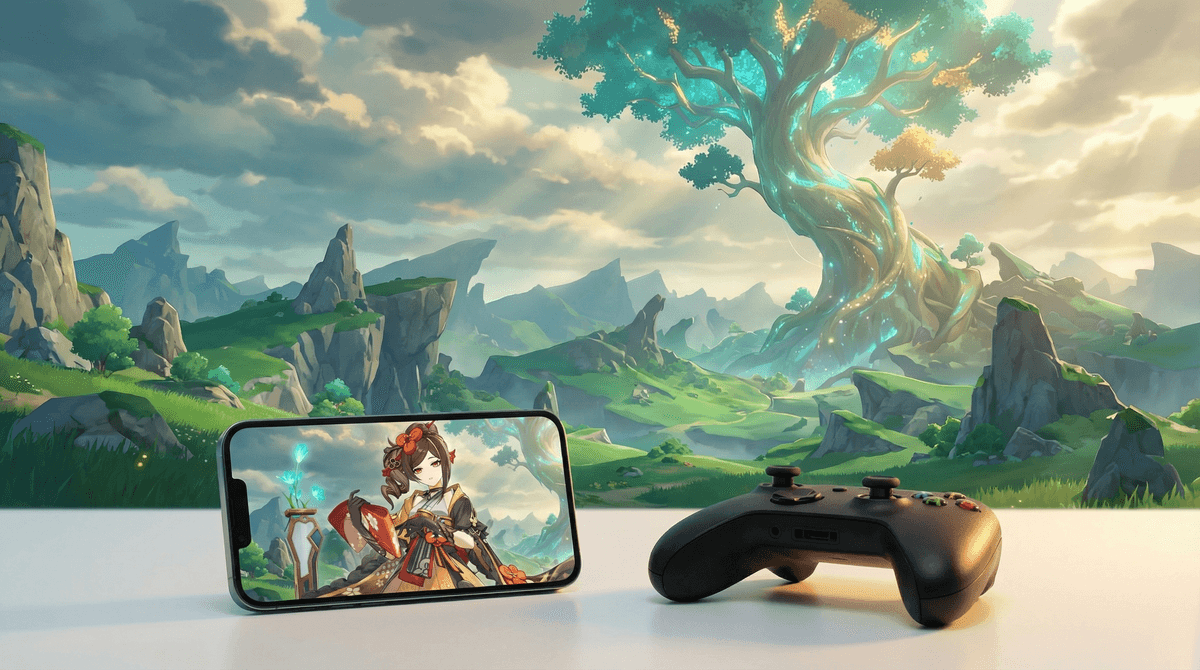
Genshin Impact is a free-to-play action RPG that's basically "anime Zelda meets gambling simulator." It's gorgeous, has an expansive open world to explore, features dozens of collectible characters with different abilities, and has sucked in millions of players worldwide since its 2020 release. The game is available on mobile, PC, and PlayStation, which means kids can play it pretty much anywhere.
The core gameplay loop is actually quite good: you explore a fantasy world called Teyvat, solve puzzles, fight monsters, and complete quests. Combat involves switching between characters to create elemental combos. The production values are genuinely impressive for a free game, with beautiful anime-style graphics and a sweeping orchestral soundtrack.
But here's where things get complicated: the game is built around a gacha system. Players use in-game currency to "wish" for new characters and weapons, with rare items having extremely low drop rates. It's literally a slot machine dressed up in anime aesthetics.
Your kid's entire friend group is probably talking about Genshin. It's massive among tweens and teens, despite that T rating. Here's why it's so appealing:
It's free. Kids don't need to convince you to spend $60 upfront. They can just download it and start playing, which is how the game gets its hooks in.
The characters are compelling. Each playable character has detailed backstories, unique abilities, and distinct personalities. Kids get attached to their favorites and desperately want to collect them all. The character designs are colorful and anime-influenced, which appeals strongly to kids who are into that aesthetic.
It's social. Friends play together in co-op mode, share strategies, and discuss which characters they pulled. There's a whole culture around the game with YouTube guides, TikTok content, and fan communities.
The gameplay is actually good. This isn't shovelware. The exploration, combat, and puzzle-solving are legitimately fun and well-designed. If it weren't for the monetization, this would be an easier recommendation.
The Gacha System Is Gambling
Let's not sugarcoat this: gacha mechanics are gambling. Players spend "Primogems" (premium currency) to make "wishes" for random characters and weapons. The odds of getting a 5-star character (the rarest tier) are about 0.6% per wish. That's worse odds than most casino games.
The game is designed to create FOMO (fear of missing out) through limited-time banners featuring specific characters. Miss the banner? You might wait months or years for another chance. This creates intense pressure to spend, and kids are particularly vulnerable to this manipulation.
While you can earn Primogems through gameplay, it's slow. Really slow. The game makes it easy to spend real money though—$100 gets you about 50 wishes, which still might not get you the character you want. Kids don't understand these odds the way adults do.
There are countless stories of kids racking up hundreds or thousands of dollars in charges. Even with parental controls, the constant temptation is there, and the game is specifically designed to wear down resistance.
Time Investment Is Significant
Genshin Impact isn't a "play for 20 minutes and put it down" game. Daily commissions (quests) take 15-20 minutes minimum, and there are time-limited events that require hours of grinding. The game punishes you for not logging in daily by limiting how much "resin" (energy system) you can accumulate.
For 8-12 year olds who should be doing homework, playing outside, and getting to bed at reasonable hours, this daily obligation becomes problematic fast. The game is engineered to become a habit, and that's by design.
Character Designs and Sexualization
This is where parents need to look at the actual game before making decisions. While not all characters are problematic, several female characters have designs that are... let's say "not age-appropriate for elementary schoolers." We're talking about exaggerated proportions, revealing outfits, and camera angles that linger in uncomfortable ways.
The game isn't pornographic, but it's definitely designed with a male teenage/young adult audience in mind. Some characters are fine, but others make it clear why that T rating exists. You can search for specific character designs to see what we're talking about.
Complexity and Reading Level
The story involves complex political intrigue, philosophical themes, and dense dialogue. Much of it will go over younger kids' heads. There's also a LOT of reading—the game isn't fully voice-acted, and quest text can be quite lengthy. Younger players often skip through story content without understanding it, which means they're missing the actual narrative content and just grinding for rewards.
The fantasy combat violence is actually one of the less concerning aspects. It's stylized anime action with characters using elemental magic and weapons to fight monsters and robots. There's no blood, no gore, no realistic violence. It's comparable to what you'd see in Zelda games or Pokémon.
The ESRB rates it T for "Fantasy Violence" and "Alcohol Reference" (some characters drink at taverns). The violence itself is probably fine for most 10+ kids who can handle action content.
Some parents do let their older tweens (11-12 year olds) play Genshin with strict guardrails. If you're going that route, here's what you need:
Non-negotiable spending controls. Remove all payment methods from the device. Don't link credit cards. Don't save passwords. Make it impossible for your kid to spend without your explicit involvement in the moment. Set up platform-specific parental controls on whatever device they're using.
Time limits enforced by you, not the game. Set specific play windows (maybe 30-45 minutes on weekdays, an hour on weekends). Use device-level screen time controls because the game itself will try to keep them playing longer.
Open conversations about gacha mechanics. Explain how the system works, why the odds are terrible, and how the game is designed to manipulate players into spending. Watch some YouTube videos together about gacha psychology so they understand what's happening.
Regular check-ins. Play together sometimes. Ask about what characters they want and why. Monitor whether they're becoming obsessed or anxious about missing limited-time events.
Alternative games ready. Have other games available that scratch similar itches without the predatory monetization. More on that below.
If your kid wants the exploration and action-adventure gameplay without the gambling mechanics, try these:
The Legend of Zelda: Breath of the Wild or Tears of the Kingdom - These are what Genshin is imitating, and they're vastly better for kids. One-time purchase, no gacha, no daily obligations. Pure exploration and puzzle-solving with age-appropriate content.
Immortals Fenyx Rising - Basically Zelda meets Greek mythology. Colorful, funny, great for kids 10+. No predatory monetization.
Sky: Children of the Light - A beautiful free-to-play game that's actually kid-friendly. Exploration-focused, gentle, and while it has in-app purchases, they're cosmetic and not pushed aggressively.
Minecraft - If they want something they can sink hours into with friends, Minecraft offers endless creativity without the gambling mechanics.
Spiritfarer - For kids who love the character-collection aspect, this cozy management game has beautiful hand-drawn art and emotional storytelling without any gacha nonsense.
Check out our guide to adventure games for kids for more options.
For 8-10 year olds: No. The gacha mechanics, time demands, and some character designs make this inappropriate for elementary-age kids. The game is designed to create spending habits and daily obligations that kids this age aren't equipped to handle.
For 11-12 year olds: Proceed with extreme caution. If you have a mature tween who can handle action content and you're willing to implement strict spending controls and time limits, it's possible—but there are genuinely better options available. The T rating exists for good reasons.
The hardest part is that "everyone else is playing it" might actually be true. Genshin is wildly popular among tweens. But popularity doesn't make something appropriate, and you're not being unreasonable by saying no to a game with literal gambling mechanics.
If you do allow it, go in with eyes open about what you're dealing with. This isn't just another video game—it's a sophisticated monetization system wrapped around a good game, and it's designed to extract money from players who can't resist the psychological manipulation.
- Have the conversation. Explain your concerns about gacha mechanics and why you're hesitant. Help your kid understand gambling psychology.
- Offer alternatives. Show them trailers for Zelda or Immortals Fenyx Rising. Find games that offer similar experiences without the predatory elements.
- Set boundaries if you allow it. Write down the rules together: no spending, specific time limits, and regular check-ins.
- Check in with other parents. Ask what guardrails they're using if their kids play. You might find a community approach helps.
And remember: saying no to a game with gambling mechanics built for teenagers isn't helicopter parenting—it's just good judgment.