

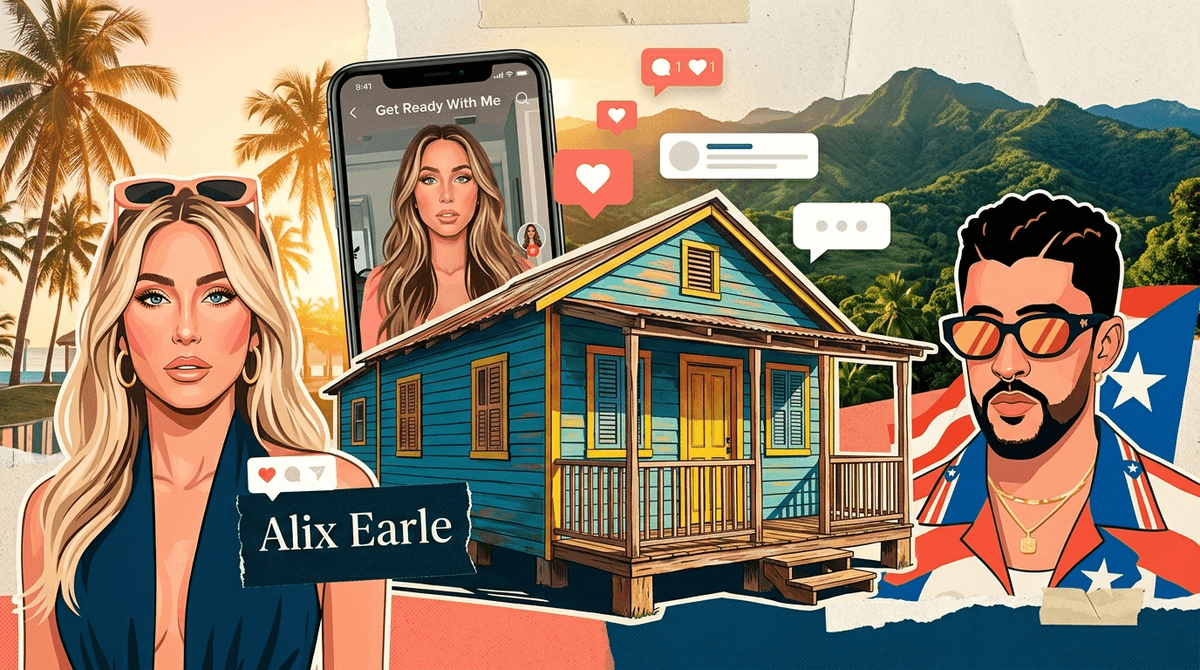
TL;DR: No, Alix Earle is not Puerto Rican. She is originally from New Jersey. The confusion stems from a 2026 Super Bowl commercial and social media campaign featuring Alix and Puerto Rican superstar Bad Bunny in a traditional "Casita" setting, which sparked a massive debate about cultural appropriation, "columbusing," and the politics of the Miami "it-girl" aesthetic.
If your kids are asking about this, they’re likely seeing the fallout on TikTok or Instagram. Here is the breakdown of why this matters for your family's digital dinner table conversations.
If you were actually watching the game and not just scrolling for the ads, you might have missed the 60-second spot that set the internet on fire. The ad featured Alix Earle—the undisputed queen of the "Get Ready With Me" (GRWM) video—walking through a vibrant, traditional Puerto Rican casita (a small, traditional wooden house). She was joined by Bad Bunny, and the vibe was very "Island Life."
The problem? The ad, titled "La Casita de Alix," felt a little too much like Alix was being positioned as the "face" of Puerto Rican hospitality. Within minutes, Google searches for "is Alix Earle Puerto Rican" spiked by 4,000%.
For our kids, who live in a world where "aesthetic" is a primary language, the distinction between appreciating a culture and consuming it as a backdrop for content is incredibly blurry.
Let’s clear this up quickly so you can be the "source of truth" at home:
- Heritage: Alix Earle is of European descent. She was born and raised in New Jersey.
- Family: Her father is Thomas "TJ" Earle, a successful construction magnate in the tri-state area.
- The Miami Connection: She rose to fame while attending the University of Miami. Because she spends so much time in Florida and often dates high-profile athletes (some of whom are Latino), and because she’s deeply embedded in the Miami social scene, many fans mistakenly assume she has Latin American roots.
She isn't Puerto Rican, she doesn't speak fluent Spanish, and she has no ancestral ties to the island. She is, however, a master of the "Miami Aesthetic," which heavily borrows from Caribbean culture.
You might be thinking, “It’s just a commercial, why is everyone so mad?”
In the world of 2026 digital politics, this is about gentrification and representation. Puerto Rico has been dealing with "crypto-colonizers" and wealthy influencers moving to the island for tax breaks while locals are priced out of their homes.
When a wealthy, white influencer from New Jersey is paid millions to stand in a "Casita"—a symbol of grassroots Puerto Rican resilience—it feels like a slap in the face to many. For your kids, this is a "teachable moment" about:
- Cultural Appropriation: Taking elements of a culture (the clothes, the music, the setting) without belonging to that culture or supporting its people.
- The "White Labeling" of Culture: Why do brands feel the need to put a white face on a Puerto Rican story to make it "marketable"?
- Digital Literacy: Just because an influencer is in a setting doesn't mean they belong to that heritage.
Learn more about talking to kids about cultural appropriation
If your child is between the ages of 11 and 22, Alix Earle is likely a household name. She pioneered the "unfiltered" but highly curated lifestyle. She talks about her acne, her breakups, and her messy room, which makes her feel like a "big sister" rather than a distant celebrity.
However, this "relatability" is a product. When that product starts encroaching on cultural spaces (like the Casita controversy), it’s a great time to help your kids look under the hood of the influencer economy.
If the Super Bowl ad sparked an interest in Puerto Rican culture in your house, don't let a TikTok star be the primary educator. There are amazing, kid-friendly ways to engage with actual Boricua stories that aren't "brain rot."
Ages 10+ While set in Washington Heights, NYC, this musical is a love letter to the Caribbean diaspora, specifically the Puerto Rican and Dominican communities. It deals with themes of "home" and "Sueñitos" (little dreams) in a way that is vibrant and authentic.
Ages 9+ This is a gem of a show about a Dominican family moving to Miami in the 80s. It provides a much more nuanced (and hilarious) look at the immigrant experience in Miami than any Alix Earle vlog ever could.
Ages 10+ The first major Latino superhero movie that actually gets the family dynamics right. It’s fun, action-packed, and features a soundtrack and cultural touchstones that are actually rooted in the community.
Ages 4-7 If you have younger kids who are hearing the "Casita" buzz, this Nick Jr. show follows a young pirate and highlights Spanish language and Caribbean culture in a way that’s age-appropriate and educational.
When controversies like this hit, the comment sections on YouTube and Instagram become a battlefield. "Stans" (obsessive fans) will defend Alix at all costs, while "haters" will be incredibly toxic.
What parents should know:
- The Algorithm favors the fight: Your kid’s feed will keep showing them more "Alix Earle Drama" because the app knows it keeps them clicking.
- The "Parasocial" Trap: Kids feel like they know Alix, so they might take criticisms of her personally. Remind them that she is a brand, not their friend.
- Fact-Checking: This is a low-stakes way to practice fact-checking. "How do we know she isn't Puerto Rican? Let's look at her bio and family history together."
Check out our guide on helping kids handle social media drama
You don't need to give a lecture. Just ask a few curious questions next time you see her on their screen:
- "I saw that Super Bowl ad with the little house. Did you know what those houses represent in Puerto Rico?"
- "Why do you think people were upset that Alix was the one in that commercial instead of a Puerto Rican creator?"
- "Do you think influencers should have to be part of a culture to promote things related to it?"
Alix Earle is a fascinating case study in modern fame. She isn't a "villain," but she is a very wealthy creator who sometimes steps into cultural conversations without the proper context.
As intentional parents, our job isn't to "cancel" the influencers our kids like, but to add the context that the TikTok algorithm leaves out. Alix Earle is a Jersey girl living the Miami dream—and that’s fine. But let’s make sure our kids know the difference between a "Miami aesthetic" and the actual, rich history of the Puerto Rican people.
Next Steps:
- Take our survey to see how your kid's social media usage compares to their peers
- Get more Alix Earle context
- Watch In the Heights for a family movie night to see what authentic representation looks like.