

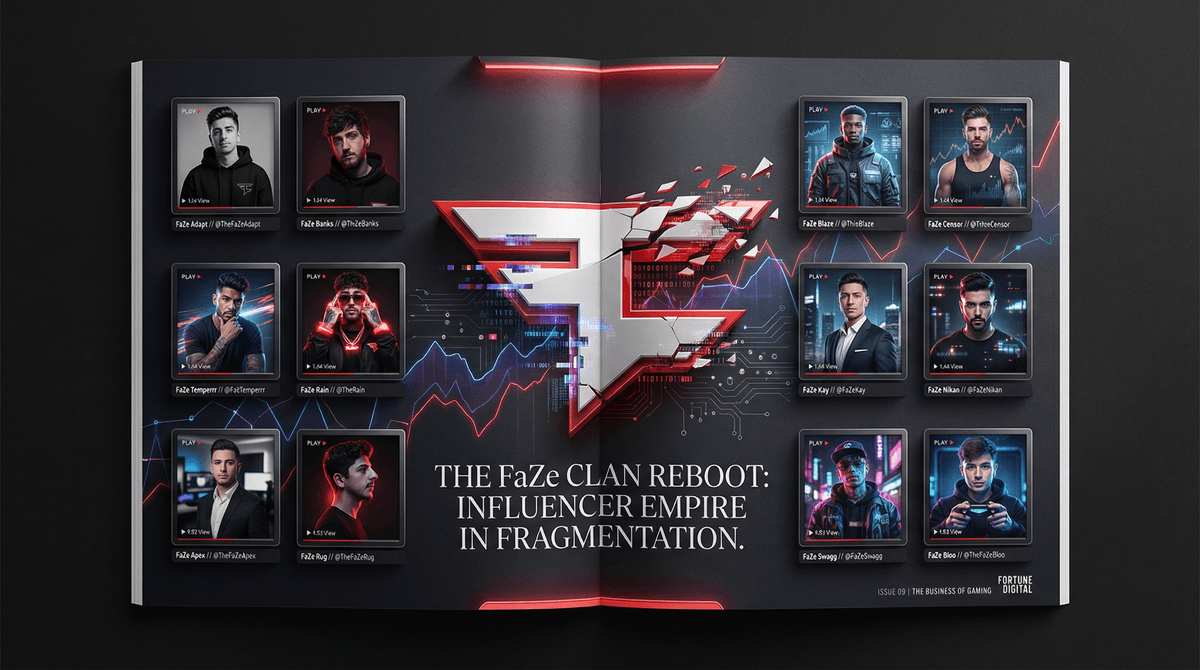
FaZe Clan's Mass Exodus: What the Controversial 'Reboot' Means for Kids Who Follow Gaming Influencers
FaZe Clan just cut 17 creators in what they're calling a "reboot," and the gaming/influencer world is melting down. If your kid follows FaZe members, they're probably seeing a lot of drama unfold in real-time. Here's what actually happened, why it matters, and how to talk about it if your kid is upset about their favorite creator getting dropped.
Quick context: FaZe Clan isn't just a Fortnite team anymore — it's a publicly traded company (yes, really) that's been hemorrhaging money and desperately trying to stay relevant.
On May 13, 2025, FaZe Clan announced they were cutting 17 content creators from their roster in what they're spinning as a "strategic reboot." The creators who got dropped include some pretty big names that kids might recognize:
- FaZe Adapt (6+ million YouTube subscribers)
- FaZe Teeqo (2.8 million subscribers)
- FaZe Blaze (popular streamer)
- Plus 14 others across gaming, lifestyle, and content creation
The official statement was all corporate-speak about "refocusing on competitive esports" and "streamlining operations." Translation: they're broke and panicking.
But here's where it gets messy. Many of these creators found out they were being dropped via Twitter/X announcement — not through private communication first. Several have posted emotional responses about being blindsided, feeling disrespected after years of building the FaZe brand, and basically getting dumped in public.
It's a masterclass in parasocial relationships going sideways.
If your kid follows gaming influencers, esports teams, or content creators on YouTube or Twitch, this drama is everywhere right now. And it's hitting different because:
-
These aren't just players — they're personalities. Kids don't just watch FaZe members play games; they follow their daily vlogs, react to their merch drops, and feel like they know them personally.
-
The business side is ugly. This is a rare moment where kids can see behind the curtain of influencer culture — contracts, corporate decisions, money problems, and how quickly "family" rhetoric disappears when a company is struggling.
-
Their favorite creators are genuinely hurt. Unlike typical influencer drama, many of these creators are posting vulnerable, honest content about feeling betrayed. Kids are watching people they admire deal with real professional rejection in real-time.
FaZe Clan started in 2010 as a Call of Duty trickshotting group on YouTube. They grew into one of the biggest esports organizations in the world, signing pro players, content creators, and even celebrities (Snoop Dogg is literally an investor).
In 2022, they went public via a SPAC merger, valued at around $725 million. It was supposed to be the future of gaming entertainment.
Instead, it's been a disaster:
- Stock price has tanked (down over 90% from its peak)
- They've burned through cash with expensive signings and lifestyle content that doesn't generate revenue
- Multiple rounds of layoffs and restructuring
- Leadership changes and internal drama
The company is now worth less than $50 million and desperately trying to cut costs while maintaining relevance. Hence: cutting 17 creators who probably cost more than they bring in.
If your kid seems genuinely upset about this, it's not just about gaming drama. Here's what they might be processing:
Loyalty feels broken. FaZe has always marketed itself as a "family" and a "brotherhood." Many of these dropped creators have been with FaZe for 5-10 years, building the brand when it was just a YouTube crew. Watching them get cut via public announcement feels like a betrayal of that narrative.
Favorite content might disappear. Some kids worry that their favorite creators won't be as successful without the FaZe brand behind them, or that collaborative content they loved (FaZe house videos, group challenges) won't happen anymore.
It's confusing. The business side of influencer culture is opaque to kids. They don't understand why someone with millions of subscribers would get dropped, or how a "family" can suddenly kick people out. It doesn't match the narrative they've been sold.
This is actually a valuable learning moment — not in a "well, this is a lesson about the real world" condescending way, but genuinely. Your kid is watching:
- How corporations prioritize money over relationships
- How influencer "families" are often just business arrangements
- How quickly brand loyalty can evaporate when finances get tight
- How people they admire handle professional setbacks
The creators getting dropped aren't villains. Most of them are handling this with grace, posting about being grateful for their time with FaZe while also being honest about feeling hurt. That's actually mature emotional processing that's worth acknowledging.
FaZe isn't evil either — just desperate. They're a struggling public company trying to survive. The way they handled it (public announcement without private heads-up) was tactless, but cutting creators who aren't profitable is... unfortunately just business.
If your kid brings this up or seems upset:
Validate their feelings first. "Yeah, it does feel crappy when something you've followed for years changes suddenly" goes a lot further than "it's just YouTube drama."
Ask what they're most bothered by. Are they worried about their favorite creator? Confused about why it happened? Upset about the way it was handled? This helps you understand what they actually need to process.
Use it as a business literacy moment. You can explain (without being preachy):
- "FaZe is a public company now, which means they have to answer to shareholders who want them to make money."
- "Sometimes companies have to make hard decisions about who they can afford to keep."
- "The way they announced it publicly without telling people first was pretty disrespectful though."
Point out the creators' resilience. Many of the dropped creators are already talking about new opportunities, starting their own ventures, or joining other organizations. That's a good model for handling professional setbacks.
Don't dismiss influencer culture entirely. Even if you think the whole thing is silly, your kid's investment in these creators is real. Saying "see, this is why you shouldn't care about YouTubers" will just shut down the conversation.
This FaZe situation is part of a larger shift happening right now:
The esports bubble is deflating. Organizations that raised massive amounts of venture capital are realizing that esports doesn't make money the way traditional sports do. Tournament winnings are small, sponsorships are drying up, and viewership isn't translating to revenue.
Content creators are going independent. More influencers are realizing they don't need big organizations taking a cut of their earnings. They can build their own brands, sell their own merch, and keep more of the money.
"Lifestyle" content doesn't pay the bills. FaZe invested heavily in non-gaming content (vlogs, challenges, lifestyle videos) that got views but didn't generate sustainable revenue. They're now refocusing on competitive gaming because that's easier to monetize through sponsorships.
If your kid is interested in content creation or gaming as a career (and many are), this is actually valuable context for understanding how the industry actually works .
.
Probably not. This is business drama, not a safety issue.
That said, if your kid is heavily invested in FaZe content, you might see:
- More time on social media as they follow the drama unfolding
- Emotional reactions to their favorite creators being dropped
- Spending concerns if they've been buying FaZe merch and now feel conflicted about supporting the brand
Those are all normal and manageable. Just keep communication open.
One thing to watch: Some creators are posting pretty raw, emotional content right now. If your kid is following these creators closely, they're seeing adults process rejection, betrayal, and career uncertainty in public. That's not necessarily bad, but it's worth checking in about how they're interpreting it.
For FaZe: They'll probably continue cutting costs, focus on their competitive esports teams, and hope to stabilize financially. The brand will survive, but it won't be the same lifestyle/content empire it was trying to build.
For the dropped creators: Most will be fine. Many have huge independent followings and will likely thrive without FaZe taking a cut of their earnings. Some might join other organizations. A few might fade into obscurity.
For kids who follow this world: They'll move on. New content, new drama, new favorite creators. That's how influencer culture works.
FaZe Clan's mass exodus is messy, public, and uncomfortable — but it's also a rare moment of transparency in an industry that usually hides its business decisions behind brand messaging.
If your kid is upset, lean into the conversation. Ask questions, validate feelings, and use it as an opportunity to talk about how businesses work, how parasocial relationships function, and how people handle professional setbacks.
And maybe, just maybe, it's a good reminder that the "family" language used by influencer brands is marketing, not reality. That doesn't mean the content isn't enjoyable or the creators aren't talented — it just means the business side is exactly that: business.
If your kid is really into FaZe or esports culture:
- Check out our guide to esports and competitive gaming
- Learn more about how YouTube and content creation actually works
- Explore alternatives to Fortnite if they're looking for new games to follow
If you want to understand influencer culture better:
If your kid wants to create content themselves:
- Read our guide to getting started with YouTube for kids
- Check out age-appropriate content creation tools