

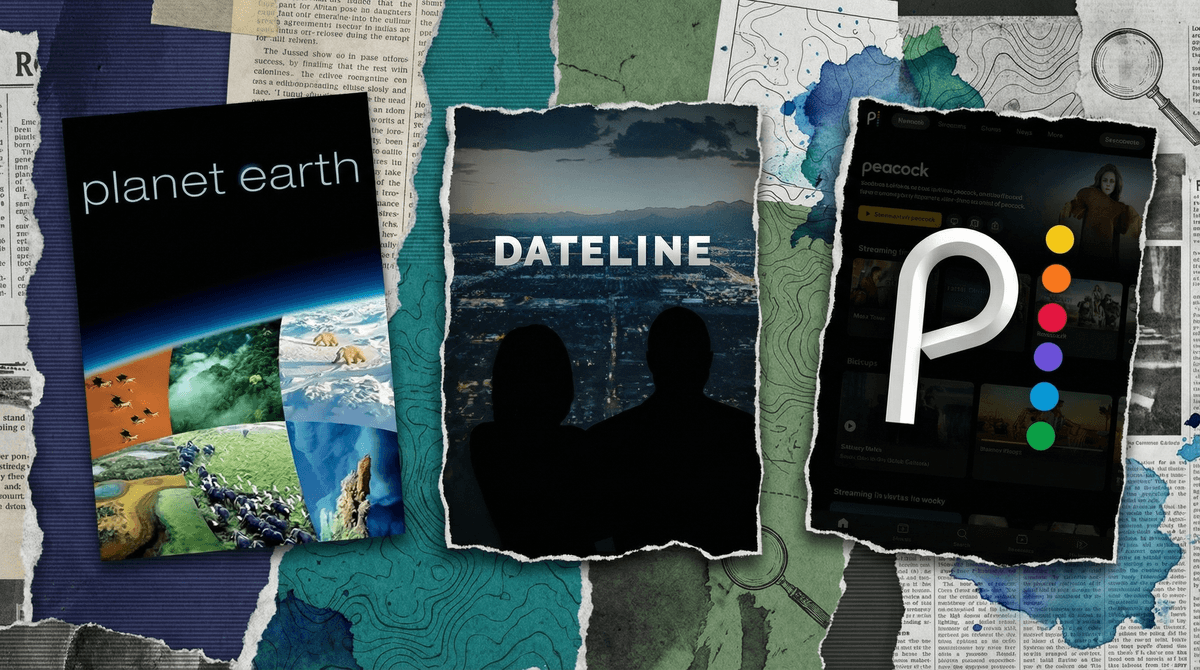
Peacock is NBC's streaming service, and while it's not exactly the first place that comes to mind when you think "documentary powerhouse" (that's probably Netflix or HBO), it's actually got a surprisingly solid collection of docs that range from nature spectacles to true crime deep dives to sports stories.
The platform has a mix of NBCUniversal content, original productions, and licensed documentaries. Some are free with ads, others require Peacock Premium ($7.99/month) or Premium Plus ($13.99/month). The documentary selection skews toward accessible, well-produced content that's generally family-friendlier than what you'll find on other platforms—though "family-friendly" is doing some heavy lifting here, because plenty of these are absolutely not for kids.
Here's the thing: not all screen time is created equal. A kid watching 90 minutes of a well-made documentary about the ocean is having a fundamentally different experience than 90 minutes of YouTube Shorts or mindless sitcom reruns. Documentaries can spark curiosity, build knowledge, create conversation starters, and actually teach critical thinking skills—like questioning sources, understanding bias, and recognizing storytelling techniques.
That said, documentaries also come with their own risks. True crime content can be genuinely disturbing. Some nature docs have intense predator-prey sequences. Historical documentaries might cover war, genocide, or other heavy topics. And even seemingly innocent sports docs can include language, adult themes, or content that's just not developmentally appropriate for younger viewers.
The key is knowing what you're walking into before you hit play.
Ages 6-10: Nature and Light Learning
Planet Earth and other BBC Earth productions are the gold standard here. Peacock has rotating availability of these, and they're stunning. Yes, there are occasionally intense predator scenes (lions taking down prey, etc.), but they're handled tastefully and can be great opportunities to talk about ecosystems and the food chain.
Curious George documentaries and other PBS-style content occasionally pop up on Peacock. These are safe, educational, and genuinely engaging for elementary-aged kids.
The caveat: Even "nature" documentaries can have mating behaviors, birth scenes, or animal death. Preview or watch alongside younger kids, especially if they're sensitive.
Ages 11-14: Expanding Horizons
This is the sweet spot for documentary watching. Middle schoolers can handle more complex topics, appreciate storytelling, and actually retain information.
Sports documentaries are huge wins here. Peacock has solid coverage of Olympic content, soccer/football docs, and athlete profiles. These tend to be inspiring without being preachy, and they're genuinely interesting even if your kid isn't a huge sports fan.
Light true crime can work for mature tweens—think "mystery solved" stories rather than "brutal murder breakdown" content. But honestly? Most true crime on Peacock (and everywhere) skews older. More on that below.
Historical documentaries about topics they're learning in school can be fantastic. World War II content, civil rights documentaries, and cultural history pieces can bring textbook learning to life. Just check the rating and content warnings first.
Ages 15+: Almost Everything (With Caveats)
High schoolers can handle most documentary content, but that doesn't mean they should watch everything without context.
True crime is the big one here. Peacock has shows like Dateline NBC collections, murder mysteries, and investigative journalism pieces. These can be fascinating and teach critical thinking about media, justice systems, and human behavior. They can also be graphic, disturbing, and potentially anxiety-inducing. If your teen is already anxious or has trauma history, true crime might not be the move.
Social issue documentaries about topics like addiction, mental health, criminal justice, or political movements can be incredibly valuable for teens developing their worldview. Watch together when possible and talk about what you're seeing.
Let's be real: true crime is everywhere, and kids are watching it younger and younger. Peacock has a lot of it, and some of it is genuinely well-done investigative journalism. But here's what parents need to know:
True crime can desensitize kids to violence, especially when consumed in large quantities. It can also create anxiety, fear, or distorted views of how common violent crime actually is (spoiler: it's much rarer than these shows make it seem).
The "entertainment" framing is weird. These are real people's tragedies being packaged for our viewing pleasure. That's worth discussing with teens.
Gender dynamics matter. A lot of true crime content is consumed by women and girls, and there's interesting research about why (fear management, pattern recognition, etc.). But it can also reinforce fears about being victimized or create unhealthy hypervigilance.
If your teen is into true crime, don't ban it outright—that rarely works. Instead, talk about why they find it interesting and set some boundaries around quantity and content intensity.
Check the rating, but also check the content. A TV-14 rating might mean mild language or it might mean graphic crime scene photos. Peacock usually has content warnings, but they're not always detailed enough.
Co-viewing is underrated. Watching documentaries together creates natural conversation opportunities and lets you gauge your kid's reactions in real time. Plus, you might actually learn something interesting.
Not all "educational" content is good. Some documentaries are sensationalized, biased, or just poorly made. Teach your kids to think critically: Who made this? What's their perspective? What are they leaving out?
Documentaries can be intense. Even if there's no graphic violence, topics like climate change, extinction, poverty, or injustice can be emotionally heavy. Check in with your kids about how they're processing what they're watching.
Use the parental controls. Peacock has profile settings that let you restrict content by rating. It's not foolproof, but it's a decent guardrail for younger kids.
Documentaries on Peacock can be fantastic, brain-engaging content that's miles better than a lot of what kids are watching. Nature docs, sports stories, and age-appropriate historical content are all wins. True crime and heavy social issue docs? Those need more parent involvement and aren't for everyone.
The streaming service isn't going to be your primary documentary destination (that's still probably going to be Netflix or a dedicated educational platform), but if you already have Peacock for other reasons, it's worth exploring the documentary section with your kids.
Browse together. Spend 10 minutes scrolling through Peacock's documentary section with your kid and see what catches their interest. Make it a collaborative choice rather than an assignment.
Start with a "safe" pick. Nature docs or sports stories are great entry points that are less likely to veer into uncomfortable territory.
Set a post-watch tradition. After watching a documentary, ask one question: "What's one thing you learned that surprised you?" It keeps the learning active and creates a conversation habit.
Balance it out. Documentaries are great, but they're not the only valuable screen time. Mix in some cozy games, good books, and actual face-to-face time too.
And if you're looking for documentary content on other platforms, check out our guides to documentaries on Netflix or educational YouTube channels worth your time.