

TL;DR: Bridgerton Season 4 centers on Benedict’s long-awaited romance with Sophie Baek. It maintains its TV-MA rating with frequent "steamy" scenes, partial nudity, and adult themes surrounding class and illegitimacy. While it’s the "Cinderella" story of the series, the content remains firmly in the "watch after the kids are in bed" category for most families.
Quick Recommendations for Period Drama Fans:
- For a cleaner "Regency" vibe: Pride & Prejudice (2005) or Emma. (2020)
- For the 12-14 crowd: The Gilded Age or Anne with an E
- If you want the romance without the graphic scenes: Jane Eyre
Screenwise Parents
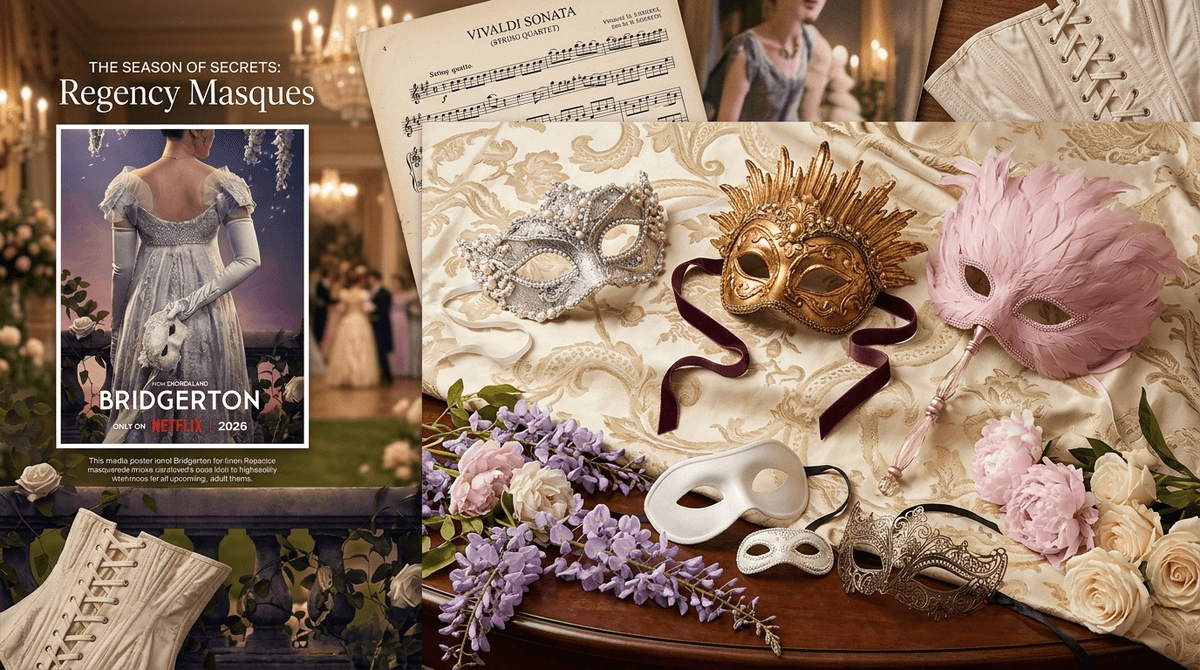
See allAfter years of Benedict playing the "bohemian second son" who avoids commitment like it’s the plague, Season 4 finally puts him in the driver's seat. Based on Julia Quinn’s An Offer From a Gentleman, this season follows the "Masquerade Ball" where Benedict meets a mysterious "Lady in Silver."
Unlike the previous seasons that focused on high-society debuts, this season introduces a heavy class-struggle element. Sophie Baek (played by Yerin Ha) isn’t a debutante; she’s a victim of the Ton’s rigid social hierarchy. It’s a bit more "gritty" (by Bridgerton standards) while keeping the pastel-colored, flower-drenched aesthetic we’ve all come to expect.
If you feel like your middle schooler is suddenly obsessed with corsets and string quartet versions of Taylor Swift songs, you can thank Bridgerton.
The show has mastered the "aesthetic" game. It’s not just a show; it’s a vibe that dominates TikTok and Instagram. Even if your kids aren't watching the full episodes (and honestly, they probably shouldn't be), they are definitely seeing the "edits" of Benedict and Sophie on their feeds.
From a digital wellness perspective, Bridgerton is the ultimate "second screen" show. People watch it, then immediately go to social media to dissect the costumes, the historical inaccuracies, and the "shipping" of the main couple. It’s high-production-value escapism, but it's also a massive driver of FOMO for younger teens who want to be part of the cultural conversation.
Let’s be real: Bridgerton is famous for its "spice." While Season 3 (Colin and Penelope) took a slightly more emotional turn, Season 4 leans back into the physical intensity of Benedict’s character.
Sex and Nudity
This is the primary reason for the TV-MA rating. You can expect multiple extended scenes of intimacy. While it’s not "explicit" in the way a show like Euphoria is, it’s far beyond what you’d see in a standard PG-13 or TV-14 drama. There is frequent partial nudity (mostly backs, shoulders, and legs, but occasionally more) and a heavy emphasis on the "female gaze."
Language and Substance Use
The language is generally mild—mostly "Regency-era" insults—but the occasional "F-bomb" might drop in a moment of high drama. Substance use is period-typical: lots of wine, champagne, and the men frequently retreat to clubs for brandy and cigars. Benedict, being the "artist," has historically dabbled in "herbal" teas and other substances in previous seasons, and that bohemian lifestyle continues here.
Themes: Class and Power
This season deals with some heavier themes than the "diamond of the season" arcs of the past. Sophie’s backstory involves domestic abuse, class-based exploitation, and the stigma of being an "illegitimate" child. It’s a good jumping-off point for conversations about social equity, but it can be a bit heavy for younger viewers who just wanted to see pretty dresses.
We talk a lot about "brain rot" content—those mindless, high-stimulation YouTube loops that leave kids (and adults) feeling like zombies. Bridgerton is the opposite of that. It’s a "slow burn" (well, as slow as 8 episodes can be).
It requires an understanding of subtext, social cues, and historical context. Even if it’s "candy-coated," it’s high-quality storytelling. If your teen is interested in it, they aren't looking for "brain rot"; they’re looking for romantic idealism and complex social dynamics. The "risk" here isn't that their brain is rotting; it's just that the content is developmentally "older" than they might be ready for.
If your 11 or 12-year-old is begging to watch because "everyone else is," but you aren't ready to explain the mechanics of a Benedict Bridgerton "steamy scene," try these "Bridgerton-lite" options:
It’s basically the American version of Bridgerton but with a TV-14 rating. It has the costumes, the social climbing, and the drama, but it keeps the bedroom doors mostly closed. It’s a great middle-ground for parents and teens to watch together.
If they love the aesthetic and the fast-paced wit, Enola Holmes is fantastic. It’s feminist, smart, and set in the same general era without any of the TV-MA content.
The OG "Lady in Silver" story. If they can handle a slightly slower pace, the Keira Knightley version of Pride & Prejudice is the gold standard for romantic tension without the graphic payoff.
For the themes of sisterhood and finding one's place in a restrictive society, Greta Gerwig’s Little Women hits all the same emotional beats as Bridgerton but is perfectly safe for a family movie night.
Let’s be real: by the time you read this, there’s a 40% chance your high schooler has already seen the "spiciest" clips on their phone. Instead of going into "lockdown mode," use it as a conversation starter.
- Ask about the "Cinderella" trope: "Why do we love stories where a 'nobody' gets noticed by a 'somebody'? Is that realistic or just a fantasy?"
- Discuss the class dynamics: "How does Sophie’s life differ from Eloise or Francesca’s? Why does the Ton care so much about who your parents are?"
- The "Social Media Version" vs. Reality: "You see the 30-second edits on TikTok, but the show is actually about [X]. Does the social media version make it look better or worse than it actually is?"
Learn more about navigating social media spoilers and trends
Bridgerton Season 4 is a lush, romantic, and highly entertaining season that finally gives Benedict the spotlight he deserves. However, it is not a family show.
- Ages 17+: Generally the target audience.
- Ages 14-16: Use your discretion. If they are mature enough to handle adult themes and you’ve had "the talk," it might be okay, but maybe not for a "family room" viewing.
- Ages 13 and under: Skip it. There are so many better options like The Gilded Age or Anne with an E that offer the same "vibe" without the TV-MA baggage.
If you’re looking for a way to bond over "period pieces" without the awkwardness, stick to the classics or the TV-14 modern hits. And if you’re watching it yourself? Enjoy the masquerade—just maybe keep the iPad screen tilted away from the kids.