

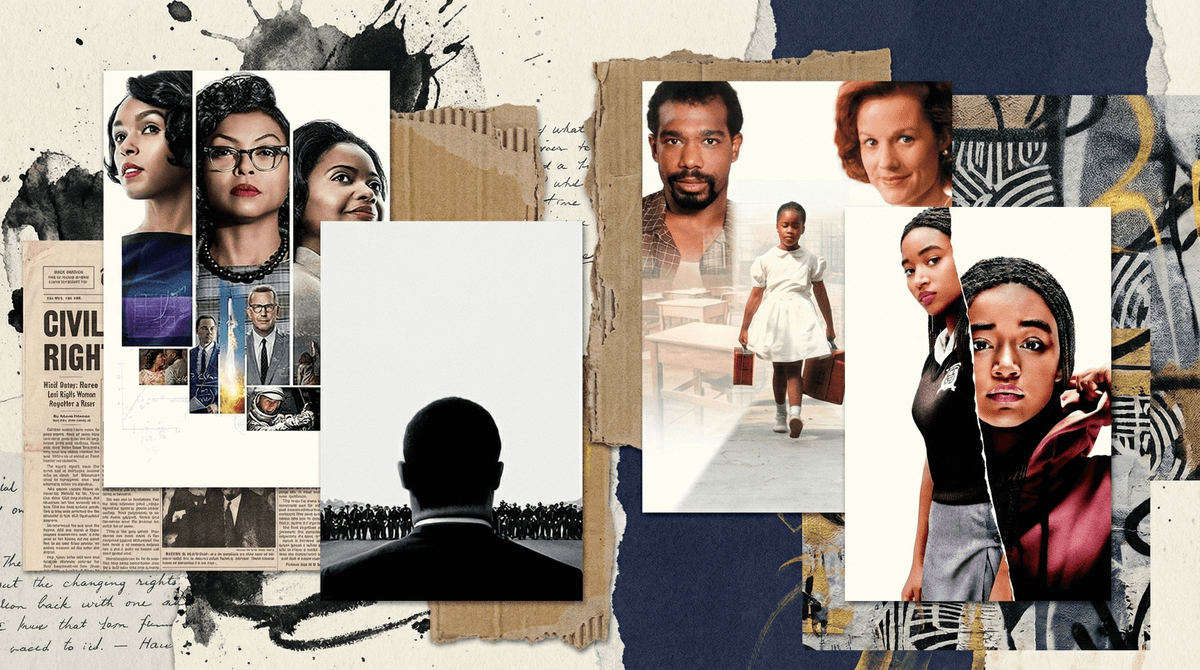
These are films that tackle the reality of racism in America—past and present—through stories of Black experiences, resistance, and resilience. We're talking everything from historical dramas like Selma and Hidden Figures to more recent films like The Hate U Give that connect history to today's headlines.
Here's the thing: these aren't "feel-good family movies." They're important, often heavy, and sometimes brutal in their honesty. But they're also some of the most powerful teaching tools we have for helping kids understand systemic racism, historical injustice, and why the fight for equality is ongoing.
And yes, watching them together is going to be uncomfortable. That's kind of the point.
Your kids are growing up in a world where they're seeing protests, hearing about police violence, and encountering conversations about race whether you initiate them or not. They're seeing it on TikTok, hearing it at school, catching fragments on the news.
The question isn't whether they'll learn about racism—it's whether they'll learn about it from you, with context and guidance, or piece it together from random sources.
These films give you a structured way to start those conversations. They provide historical context, show the humanity behind the headlines, and create space for questions that kids might be afraid to ask out loud.
Plus, representation matters. For Black kids, seeing their history reflected on screen—the pain but also the strength, innovation, and joy—is validating and empowering. For non-Black kids, these films build empathy and understanding in ways that textbooks simply can't.
Ages 6-9: Start with Stories of Strength
- Ruby Bridges (1998) - The story of the first Black child to integrate an all-white elementary school. It's gentle enough for younger kids while showing real courage.
- Hidden Figures - Yes, there's racism, but the focus is on brilliant Black women at NASA. It's inspiring without being traumatizing.
Ages 10-13: Add More Historical Context
- Akeelah and the Bee - Touches on socioeconomic inequality and stereotypes without graphic violence.
- Remember the Titans - Integration through high school football. There's tension and slurs, but it's manageable for middle schoolers.
- Selma - The voting rights marches. There IS violence, but it's historically crucial. Watch it together and be ready to pause and discuss.
Ages 14+: Time for the Hard Truths
- The Hate U Give - A teen witnesses police shooting her friend. It's current, it's raw, and it connects history to today.
- 13th - Ava DuVernay's documentary about mass incarceration. Dense but essential for older teens who can handle the systemic analysis.
- Just Mercy - Based on Bryan Stevenson's work defending wrongly condemned prisoners. Heavy but shows the power of justice work.
What to Skip (or Save for Much Later):
- 12 Years a Slave - Historically important but graphically violent. High school at earliest, and even then, prepare yourself.
- Roots - The original miniseries is brutal. There are educational versions, but this isn't for younger kids.
Before you press play:
- Set expectations: "This movie shows real things that happened to Black people in America. Some of it will be hard to watch, but it's important we understand."
- Give them an out: "If you need to pause and talk, or if something feels too scary, tell me."
- Check yourself: Are YOU ready for this conversation? If you're feeling unprepared, that's normal
 .
.
During the movie:
- Don't be afraid to pause. When something confusing or upsetting happens, stop and process it together.
- Answer questions honestly. "I don't know" is a valid answer, followed by "let's look that up together."
- Watch their reactions. If they're shutting down or getting overwhelmed, it's okay to take a break.
After the movie:
- Ask open questions: "What did you think?" "What surprised you?" "What made you angry or sad?"
- Connect to today: "We watched this movie about the 1960s. Do you think things like this still happen now?"
- Follow their lead. Some kids want to talk immediately. Others need time to process.
These movies aren't "the talk" about racism—they're conversation starters. One movie won't magically make your kid understand centuries of systemic oppression. Think of this as an ongoing education, not a one-and-done.
Your kids are watching YOU watch these movies. How you react, what you say (or don't say), whether you seem uncomfortable—they're taking notes. If you're squirming through the hard parts or rushing past them, they'll learn that these topics are too uncomfortable to discuss.
Historical accuracy varies. Hollywood takes liberties. After watching Harriet, for example, you might want to read more about the real Harriet Tubman together.
These films can be triggering. For Black families, watching depictions of racial violence isn't just educational—it can be retraumatizing. Check in with your kids about what they're ready for, and honor their boundaries.
White parents: this might be the first time you're confronting this stuff too. That's okay. Your discomfort is not more important than your child's education, but it's real. Sit with it. Process with other adults, not with your kid.
These movies are tools, not magic bullets. They won't single-handedly create anti-racist kids, but they can open doors to conversations that matter.
Start age-appropriate. You don't need to show a 7-year-old Selma when Ruby Bridges exists.
Watch together. These aren't "send the kids to the basement" movies. Your presence and willingness to discuss is what makes them educational rather than just traumatizing.
Follow up. One movie, one conversation isn't enough. This is ongoing work.
And look—is this comfortable? No. Is it easier to just put on Encanto for the 47th time? Absolutely. But if we want our kids to grow up understanding why Black Lives Matter isn't just a slogan, why Juneteenth is a holiday, why their textbooks might be leaving some things out—this is part of how we get there.
You've got this. And if you need help figuring out what to watch next or how to handle a specific conversation, we're here.