

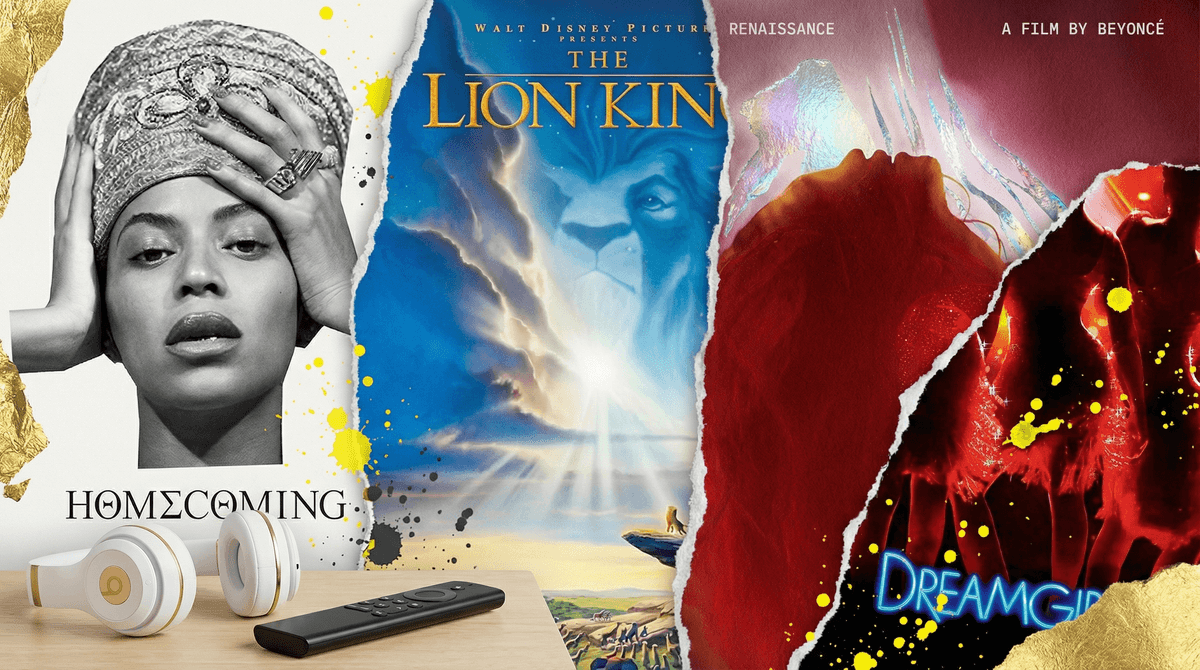
Look, if your kid knows who Beyoncé is (and let's be real, they probably do), there's a good chance they're curious about her movies and documentaries. Queen Bey has had a surprisingly robust film career alongside her music empire—from early acting roles in movies like Dreamgirls and The Pink Panther to her groundbreaking visual albums and concert documentaries.
Her filmography spans family-friendly animated features like Epic and the live-action/CGI remake of The Lion King, plus deeply personal documentaries like Homecoming and Renaissance: A Film by Beyoncé. There's also Lemonade, which is part visual album, part artistic statement, and definitely not something you're going to throw on during family movie night without some prep.
Kids come to Beyoncé from all angles. Maybe they heard "Texas Hold 'Em" on the radio and got curious. Maybe they saw clips of her Super Bowl performances on YouTube. Or maybe they're just picking up on the cultural reverence she commands—Beyoncé is one of those artists who transcends generations.
For tweens and teens especially, Beyoncé represents excellence, confidence, and creative control. She's a businesswoman, a performer, a mother, and someone who's been in the public eye since Destiny's Child without major scandal. That's actually pretty rare and worth talking about.
Younger kids might just know her as the voice of Nala or think "Single Ladies" is a fun dance. And that's fine! But as they get older, they're going to encounter the more complex, more adult themes in her work.
Here's the breakdown of what's actually appropriate for different ages:
Ages 5-9: The Family-Friendly Stuff
- The Lion King (2019) - She voices Nala. It's the same story you know, just photorealistic CGI.
- Epic - Animated adventure where she voices Queen Tara. Totally fine for elementary schoolers.
- Music videos for songs like "Single Ladies," "Halo," or "Love on Top" - Generally clean, though you might want to preview first because some outfits are revealing.
Ages 10-13: Getting Into Concert Docs
- Homecoming (Netflix) - This documentary about her 2018 Coachella performance is actually pretty inspiring for this age group. Yes, there are some revealing costumes and a few brief profanities, but the themes of hard work, Black excellence, and HBCU culture are powerful. Just know what you're getting into.
- Dreamgirls (PG-13) - She's fantastic in this, but it deals with infidelity, the music industry's exploitation of Black artists, and has some sexual content. Better for older tweens/teens.
Ages 14+: The Full Artistic Vision
- Renaissance: A Film by Beyoncé - Her 2023 concert film celebrating queer culture, ballroom, and the Renaissance album. There's profanity, sexual content, and themes around sexuality and identity. It's rated PG-13 but feels more mature.
- Lemonade (HBO/Tidal) - This is art. It's also about infidelity, Black womanhood, rage, and reconciliation. There's strong language, sexual imagery, and intense emotional content. This is not for middle schoolers, full stop.
- Black Is King (Disney+) - Visual album tied to The Lion King. Stunning cinematography celebrating African culture and diaspora. Some sensuality and themes that are better for high schoolers.
The revealing costumes thing is real. Beyoncé is a grown woman who performs in bodysuits, leotards, and stage costumes that show a lot of skin. If you're uncomfortable with that, you need to know it's part of her performance aesthetic. It's not gratuitous—it's part of the choreography and the artistry—but it's definitely there.
Her recent work is increasingly political and personal. Early Beyoncé was more mainstream pop. Current Beyoncé makes art about Black identity, feminism, marriage, motherhood, and queer culture. Renaissance is explicitly a celebration of queer Black pioneers of house and ballroom culture. If those conversations haven't happened in your house yet, they're going to come up.
The documentaries show the work behind the glamour. One genuinely cool thing about Homecoming is that it shows the months of rehearsals, the pressure, the postpartum body challenges, and the collaborative process. It's a great counter-narrative to "she just woke up like this."
Lemonade is not for kids. I'm saying it again because parents keep asking. The visual album is raw, angry, sensual, and deals with adult relationship trauma. It's incredible art. It's also not appropriate for anyone under 16, and even then, context matters.
If you're going to watch with your kids (and honestly, Homecoming is a good one to watch together), here's how to make it meaningful:
Talk about the work ethic. The rehearsal footage, the precision, the way she demands excellence from herself and her team—that's worth highlighting.
Discuss representation. Beyoncé intentionally centers Black culture, Black performers, and Black excellence. That's not accidental. It's a choice, and it's worth talking about why that matters.
Address the body stuff proactively. If your kid is going to see Beyoncé in a leotard and thigh-high boots, you can acknowledge that stage costumes are different from everyday clothes, and that she's performing for an adult audience even if kids are watching.
Use the music as a gateway. If your teen is into her music, documentaries like Homecoming and Renaissance show the creative process behind the albums. It's a great way to talk about artistry, collaboration, and vision.
Beyoncé's movies and documentaries range from totally kid-friendly animated features to deeply adult artistic statements. The key is knowing which is which and not assuming that because she's a pop star, everything she makes is for all ages.
For younger kids: Stick with The Lion King and Epic, plus carefully selected music videos.
For tweens: Homecoming can be a great watch-together experience if you're ready to talk about the themes.
For teens: The concert films and visual albums are incredible, but preview them first. Lemonade especially is not something to just throw on.
And if your kid is getting into Beyoncé's work, that's actually a pretty great thing. She's an artist who takes her craft seriously, controls her narrative, and uses her platform intentionally. There are way worse role models in pop culture.
Just maybe don't start with Lemonade.
Want to explore more about navigating music and pop culture with your kids? Check out this guide on talking to kids about celebrity culture or how to handle music with mature themes.