

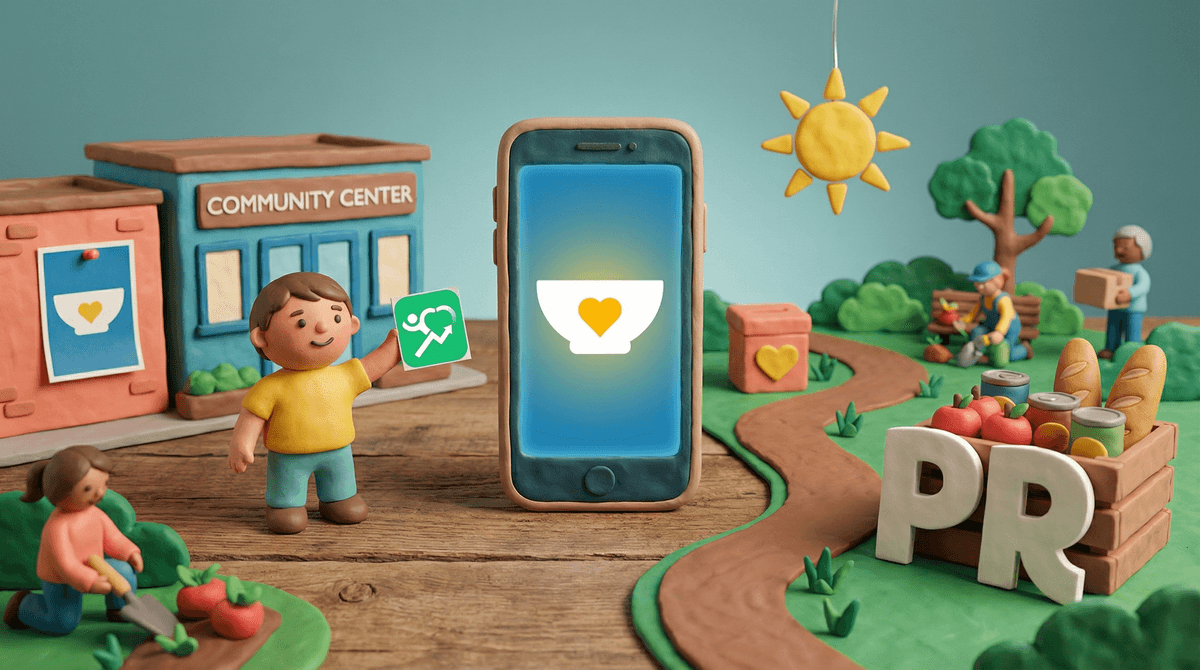
Look, I get it. When your kid asks for more screen time, your instinct isn't exactly "yes, let's add another app to the rotation!" But what if some of that screen time could actually help them understand what it means to help others?
Apps that teach giving back are platforms designed to introduce kids to concepts like charity, empathy, community service, and social responsibility. Some let kids donate virtual currency they've earned. Others gamify volunteering or teach about global issues through interactive stories. A few even connect kids directly to real-world causes they can support.
The idea isn't to replace actual service—nothing beats volunteering at a food bank or helping a neighbor—but to plant seeds of awareness and make giving feel like a natural part of life, even digital life.
Here's the thing: our kids are growing up in a world where they can buy digital skins with a tap, order food with a click, and watch literally anything instantly. That's not inherently bad, but it creates a weird disconnect from the real work, real money, and real people behind everything.
Teaching kids about giving back through apps isn't about turning them into mini philanthropists (though that would be cool). It's about building a mental muscle that says "I have resources—time, attention, maybe even money—and I can use them to help."
Plus, kids are naturally empathetic. They want to help. They cry over sad animal videos and ask why some people don't have homes. Apps can channel that instinct into something concrete instead of just feeling overwhelmed by big problems.
ShareTheMeal (Ages 8+)
ShareTheMeal is run by the UN World Food Programme and lets kids (with parent help) donate as little as $0.80 to feed a child for a day. The app shows exactly where donations go with photos and stories. It's visual, immediate, and teaches that even small amounts add up.
The catch: You're using real money, so this is definitely a supervised activity. But that's also what makes it powerful—it's not pretend charity.
Freerice (Ages 6+)
Freerice is a trivia game where every correct answer donates 10 grains of rice through the World Food Programme. Kids can practice vocabulary, math, geography, or other subjects while contributing to something real. No money required, just brain power.
Why kids like it: It's a quiz game that happens to do good. The competitive element keeps them engaged.
Charity Miles (Ages 10+)
Charity Miles tracks walking, running, or biking and converts miles into corporate donations to charities kids can choose. It's great for active families who want to add purpose to exercise.
Real talk: The donation amounts are small (about $0.25 per mile), but it introduces the concept of "your actions have value that can help others."
Donate a Photo (Ages 8+)
Donate a Photo by Johnson & Johnson lets users donate to causes by sharing a photo. For every photo shared, they donate $1 to a featured cause. Kids can learn about different organizations and see their contributions add up.
Parent note: You'll want to review the featured causes together and talk about what they do.
Some apps don't directly facilitate giving but teach kids about social issues, empathy, and community:
- Sid the Science Kid and similar PBS Kids apps often include episodes about helping others and community
- Minecraft Education Edition has lessons about sustainability and social impact (if your kid's school uses it)
- Story apps like Epic! have entire collections about kindness, diversity, and helping others
These won't directly connect kids to causes, but they build the foundation for understanding why giving back matters.
Ages 5-7: Focus on apps that teach about kindness and helping through stories or simple games. Freerice works here because it's just answering questions—they don't need to understand the full scope of global hunger yet.
Ages 8-12: This is prime time for apps like ShareTheMeal (with supervision) or Charity Miles. They can understand cause and effect: "I did this thing, and it helped someone." Let them choose causes they care about—animals, kids, environment—whatever resonates.
Ages 13+: Teens can handle more complex apps and conversations. They can research organizations, understand donation efficiency, and even start thinking about volunteering IRL. Some teens use GoFundMe to support causes they care about or organize their own fundraisers.
These apps aren't a substitute for real-world service. Think of them as a gateway drug to empathy. Use them alongside actual volunteering, donating old toys, or helping neighbors.
Money conversations are crucial. If you're using apps that involve real donations, talk about budgeting for charity. Some families give kids a small monthly "giving budget" they can allocate through these apps. It's a great way to teach financial literacy while building generosity.
Let kids lead. Don't force your causes on them. If they want to donate to animal shelters instead of human-focused charities, that's okay. The point is building the habit of thinking beyond themselves.
Watch for performative giving. Some kids (especially teens) might get into "charitable" activities for social media clout. That's... fine? The organizations still benefit, and maybe the habit sticks even after the Instagram story expires. But it's worth having conversations about motivation and authenticity.
Check the organizations. Not all charity apps are created equal. Research where the money actually goes. Charity Navigator and similar resources can help you evaluate organizations with your kids.
Screen time doesn't have to be a zero-sum game of "good" versus "bad." Apps that teach giving back won't magically turn your kid into Mother Teresa, but they can help build awareness that the world is bigger than their bedroom, and they have the power to make a difference.
The best approach? Use these apps as conversation starters. Play Freerice together and talk about food insecurity. Use Charity Miles on family walks and discuss what the organizations do. Let your kid choose a cause on ShareTheMeal and research it together.
The goal isn't perfect digital philanthropy—it's raising humans who understand that with resources (even digital ones) comes the opportunity to help others.
- Pick one app to try with your kid this week based on their age and interests
- Set a family giving goal—maybe 1,000 grains of rice on Freerice or 10 miles on Charity Miles
- Follow up with real-world action—donate old clothes, volunteer together, or just talk about what you learned
- Make it regular—add one of these apps to your weekly routine, even if it's just 10 minutes
And hey, if you're looking for more ways to make screen time purposeful, check out our guide to educational apps that don't feel like homework or explore how to balance entertainment and learning.
The world needs more empathetic humans. Might as well start building that muscle now—even if it's through a screen.