The "Game Over" is a lie
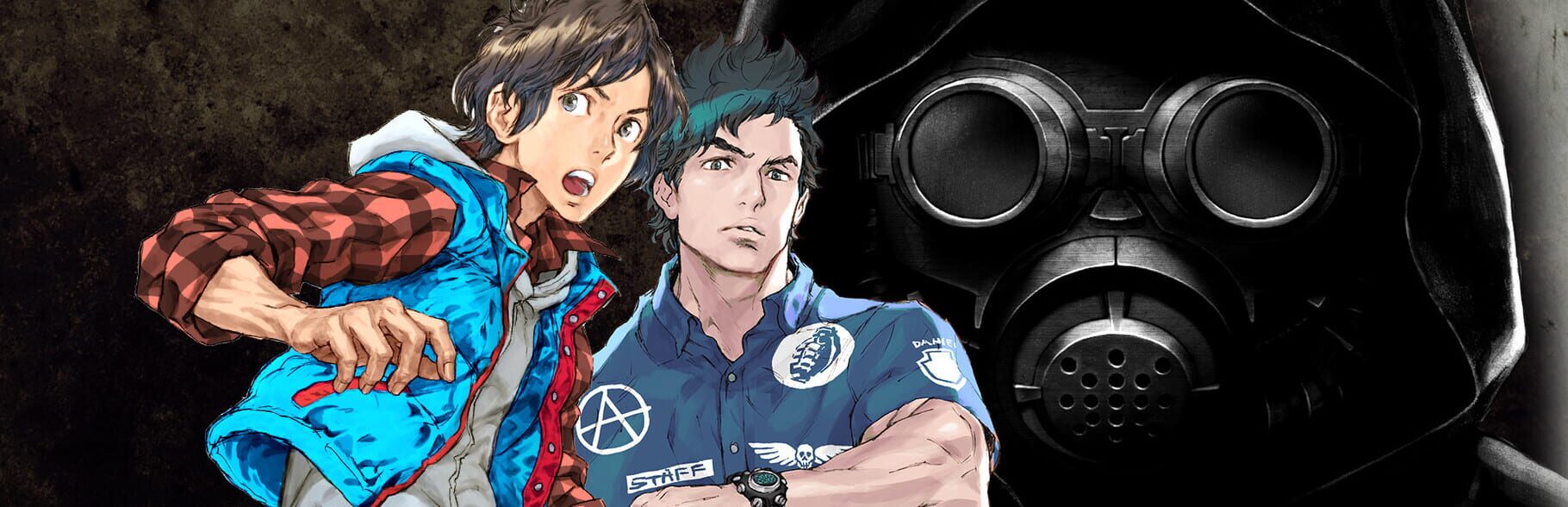
The most important thing to understand about Zero Escape is that you are supposed to fail. In most games, seeing a "The End" screen because everyone died means you messed up. Here, it’s mandatory. The game uses a flowchart system that lets you jump between different timelines. To solve a puzzle in Timeline A, you might need a digital code that you only find while dying in Timeline B.
This creates a specific kind of "aha!" moment that most media can't replicate. It turns the player into a detective who exists outside of time. If your teen enjoys the high-stakes psychological pressure of series like The Naturals, they’ll recognize the vibe, but the interactive element makes the tension much more personal. You aren't just watching a character make a mistake; you are the one who clicked the button that locked the door.
The reading-to-puzzling ratio
If you’re expecting a fast-paced action game, stop. This is a visual novel first and an escape room second. You will spend 80% of your time reading dialogue and 20% of your time solving actual puzzles. The developer, Spike Chunsoft, is famous for this "death game" genre, where the plot is the primary engine.
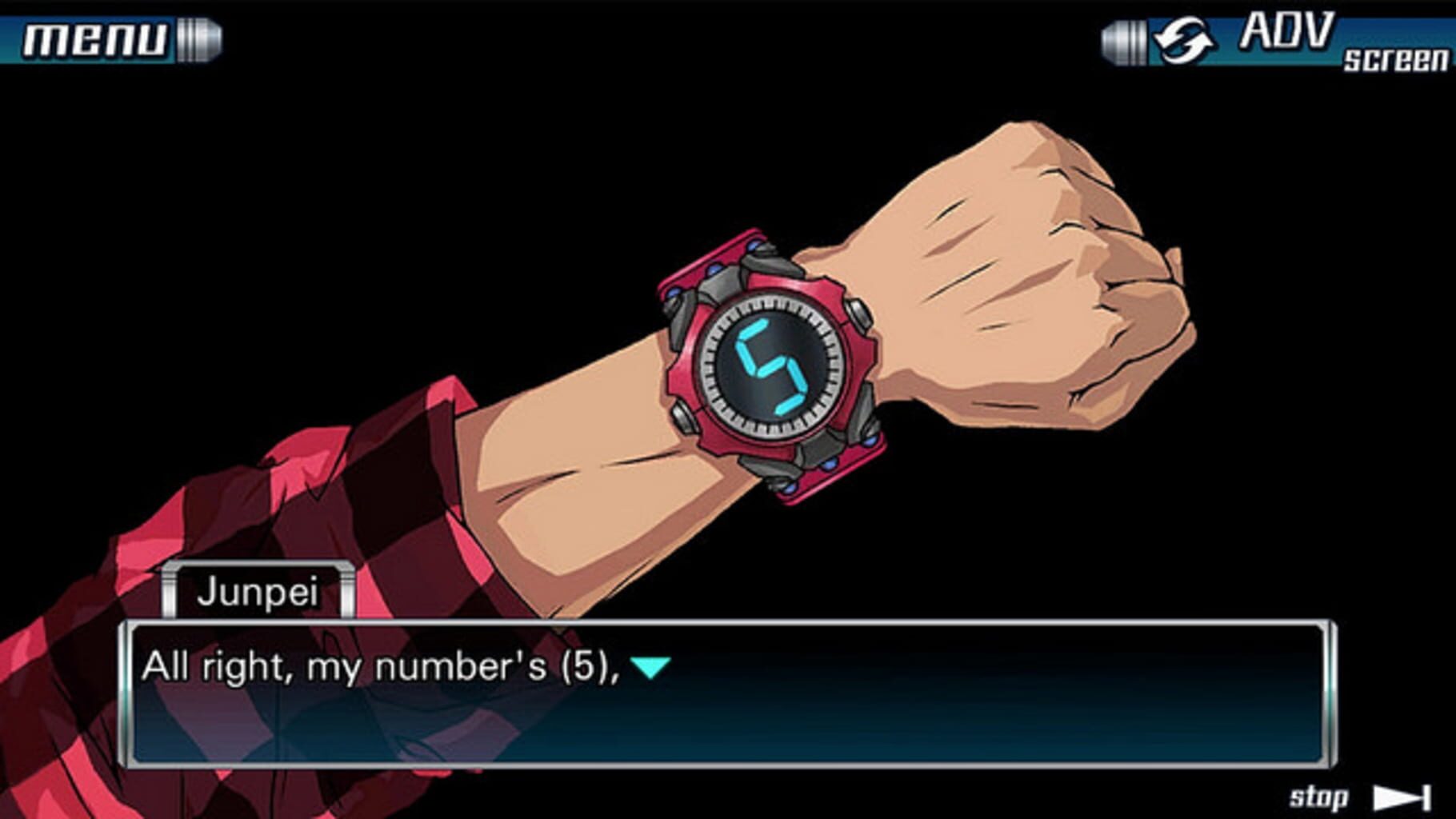
The puzzles themselves are no joke. They involve base-9 math, complex geometry, and logic riddles that would make a Mensa member sweat. It’s the ultimate "laptop game"—perfect for playing with a notebook and a pen nearby to scribble down clues. If your kid is the type to get frustrated and immediately look up a walkthrough, they’ll miss the point. The struggle is the appeal.
Why the 16+ rating actually matters
It isn't just about the blood, though there is plenty of that. It’s the nihilism. The game puts characters in "Prisoner's Dilemma" scenarios where they have to choose whether to "Ally" or "Betray" each other. Watching a character you’ve grown to like suddenly stab you in the back because they’re scared is heavy stuff.
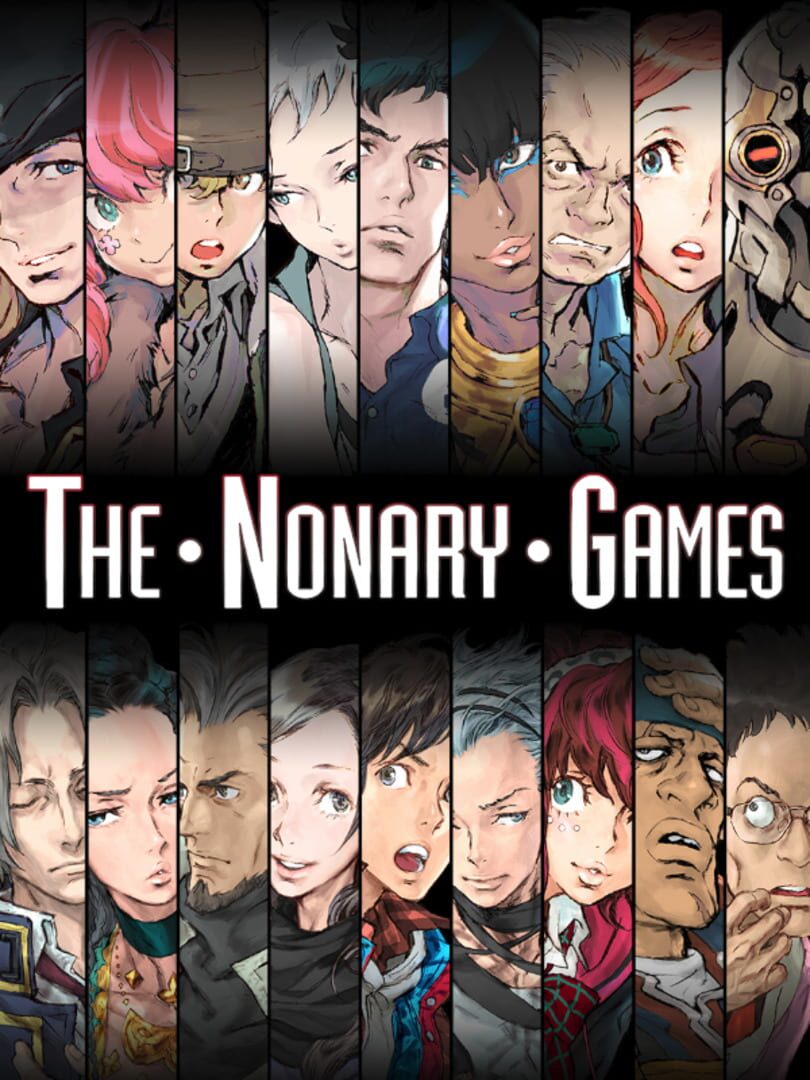
For a deeper breakdown of the specific themes, check out our parent's guide to Zero Escape: The Nonary Games. It’s a great fit for the kid who loved the survival-at-all-costs energy of The Hunger Games but wants something with a significantly higher IQ. If they are currently obsessed with the "killer mystery" trend in YA literature, like Dangerous Impulses, this is the natural gaming evolution of that interest.
How to handle the frustration
Because some of the puzzles are genuinely obtuse, your teen might get stuck. My advice: let them use a guide for the puzzles, but never for the story. The joy of this game is having your brain turned inside out by a plot twist you didn't see coming.
If they finish the first game (999) and aren't immediately screaming about the ending, they probably weren't paying attention. But if they are, the second game in the collection (Virtue’s Last Reward) doubles down on the weirdness, the stakes, and the complex math. It’s a rare case where the sequel is actually bigger and weirder than the original.