The Australian export vibe
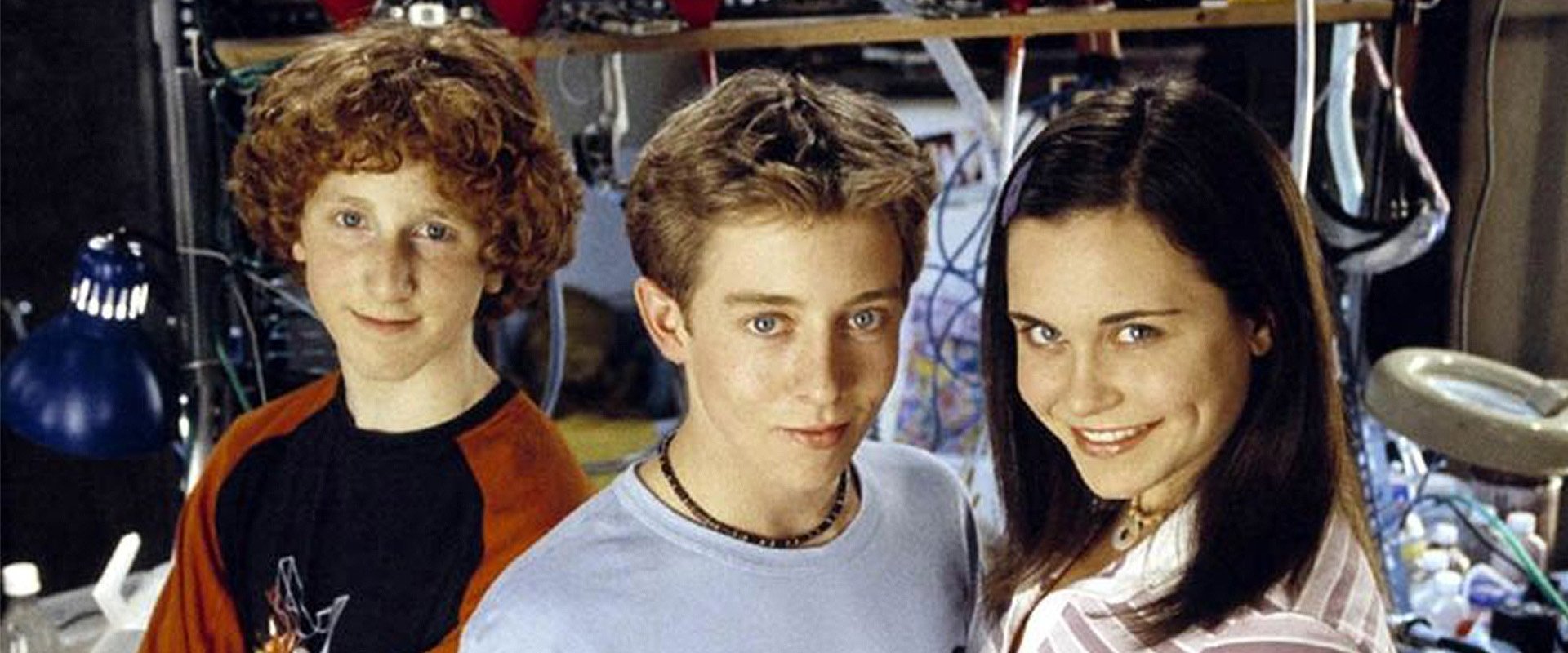
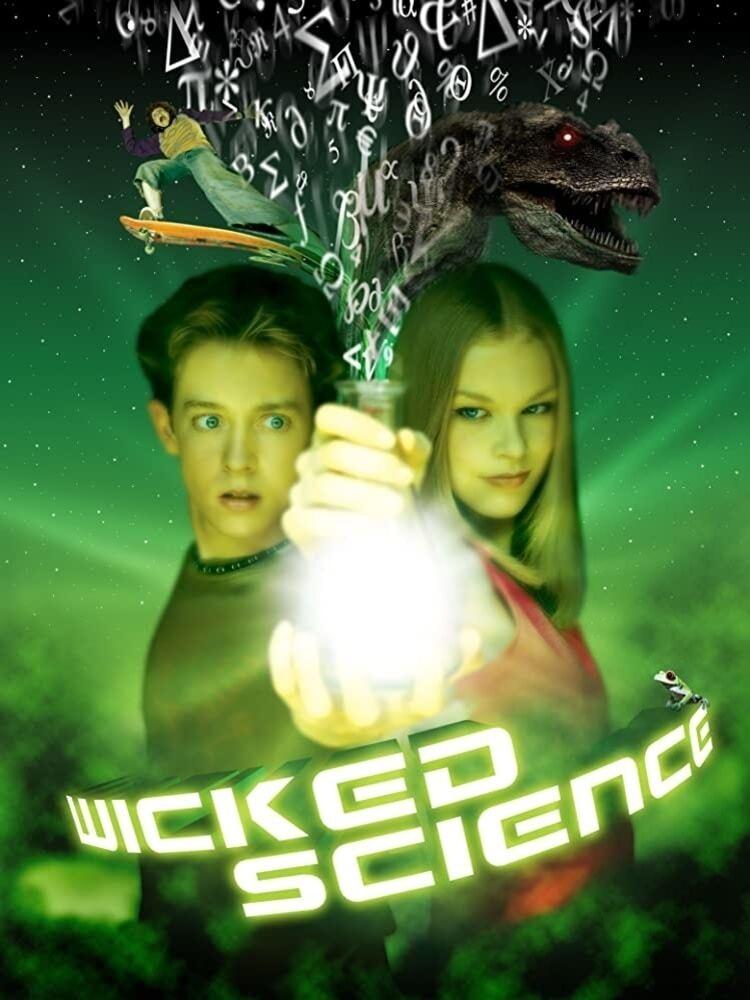
Australia has a specific history of producing these sun-drenched, high-energy tween shows that feel like a live-action cartoon. Wicked Science sits right in the middle of that mid-2000s boom. If you remember the earnest, slightly low-budget energy of other Aussie exports from that era, you know exactly what to expect. It’s bright, it’s loud, and it doesn't take itself too seriously. For a modern kid, it feels like a time capsule of a world before smartphones, where the biggest tech threat was a magnetic pulse and the fashion involved a lot of questionable layering.
A better class of villain
Most kids' shows from this era feature a "mean girl" who just wants to win the prom queen title or ruin a social life. Elizabeth Hawke is a different beast. She is a genuine megalomaniac. Once she gets the genius zap, she isn't interested in popularity; she’s interested in power.
This makes the conflict feel more like a superhero-versus-villain dynamic than a standard school rivalry. Toby is the reluctant hero who just wants to be normal, while Elizabeth is the one leaning into her new intellect to dominate her surroundings. Watching her build an actual mechanical army while Toby tries to just survive 10th grade creates a tension that keeps the show from feeling too much like a generic sitcom.
The "magic" of science
Don’t come here looking for an educational experience. Despite the title, the science is pure fantasy. The show treats a "magnetic pulse" like a radioactive spider bite. Once the kids are "geniuses," they aren't just good at math; they are essentially wizards who use gadgets instead of wands.
They build shrinking rays, invisibility cloaks, and mind-control devices in what looks like a standard high school lab. If your kid likes the frantic, "what if we built this?" energy of Phineas and Ferb or the gadget-heavy antics of Lab Rats, they will settle into this logic quickly. It’s about the chaos the inventions cause rather than the blueprints used to make them.
The visual hurdle
You have to prepare your audience for the CGI. In 2004, these effects were passable for a TV budget; in 2026, they are hilarious. When things fly, glow, or transform, it looks like early PlayStation graphics.
However, if your kid can get past the "old" look, the pacing holds up. The episodes are snappy and usually revolve around a single invention gone wrong. It’s a great choice for a "background binge"—something they can have on while doing something else, where they won't lose the plot if they miss five minutes. It’s low-stakes, high-concept fun that doesn't demand the emotional investment of a modern, serialized drama.