Our reviews and ratings are 100% unbiased. Screenwise is a Bookshop.org affiliate and an Amazon Associate, so if you buy a book through one of our links, we may earn a commission. Bookshop.org purchases also support independent bookstores.
Screenwise Verdict
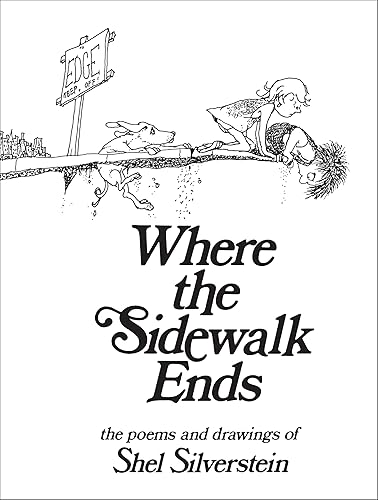
This is the real deal—a poetry collection that has earned its place on every family bookshelf. Silverstein's genius is making language playful, accessible, and genuinely funny while sneaking in lessons about life, responsibility, and seeing the world differently.
The poems range from laugh-out-loud silly (a boy who turns into a TV) to quietly profound (washing your shadow, planting diamond gardens). Some have a slightly dark edge—Sarah Cynthia Sylvia Stout's garbage catastrophe, kids being auctioned off—but it's all in service of absurdist humor that teaches without being preachy.
The only caveat: very young or literal-minded kids under 6 might not get the jokes or might take the silliness too seriously. But for most kids 7 and up, this is pure magic. It's the book that makes kids who 'don't like poetry' realize poetry can be weird and wonderful and theirs.
Fifty years later, it still holds up. That's rare.
Age Fit
Best for ages 5-12, with sweet spot around 7-10. Younger kids (4-5) can enjoy it as a read-aloud if they're not overly literal, while older elementary kids will appreciate the wordplay and humor. Teens and adults still revisit it nostalgically, but it's primarily a children's book.
WISE Breakdown
Wholesome
82
Silverstein balances absurdist humor with genuine warmth and moral lessons. The poems model kindness and compassion alongside comic mayhem—kids washing shadows, planting diamond gardens, and dealing with everyday problems through imaginative solutions. Some poems have slightly dark or morbid humor (Sarah Cynthia Sylvia Stout's garbage pile, kids being auctioned off), but it's all in service of playful exaggeration that teaches without preaching. The tone is never mean-spirited, though it's definitely irreverent.
Imaginative
96
This is imagination distilled into pure poetry. Boys turning into TV sets, girls eating whales, unicorns living alongside made-up creatures called Bloaths—Silverstein stretches the bounds of what's possible and invites kids to see the world as endlessly malleable. The simple line drawings complement the wordplay perfectly, and the poems themselves are exercises in creative thinking. Kids who read this start writing their own nonsense poems, inventing their own creatures, and seeing sidewalks as portals to other worlds.
Safe
88
Extremely safe for a children's book. No violence, no inappropriate content, no surprises that would shock parents. Common Sense Media confirms it's appropriate for third and fourth graders, with some parents noting very young children (under 6) might find a few poems too avant-garde or might take the silly darkness too literally. The 'edginess' is all in service of absurdist humor—a girl who won't take out garbage until it piles to the ceiling, kids being silly and gross. Nothing that would cause genuine distress.
Enriching
89
This book teaches rhythm, rhyme, wordplay, and the sheer joy of language. Kids learn that poetry doesn't have to be stuffy—it can be funny, weird, and deeply meaningful all at once. The poems build vocabulary, encourage reading aloud (which strengthens literacy), and model how to find humor in everyday frustrations. Many poems have subtle moral lessons about responsibility, kindness, and seeing the world from different perspectives. It's been a gateway to poetry for generations of kids, and the 4.9 Amazon rating reflects its enduring impact.
Parent Info
✓
Why It Might Be Great
Gateway drug to poetry—kids who hate reading often devour this and start writing their own silly poems
Perfect balance of humor and heart, with lessons about responsibility and kindness hidden in the absurdity
Incredible for language development: rhythm, rhyme, wordplay, and vocabulary all wrapped in entertainment
Timeless appeal—this book has been beloved for 50 years and still resonates with modern kids
The simple black-and-white illustrations let imagination fill in the gaps, making each reading personal
⚠
What to Watch For
Some poems have dark or morbid humor (garbage piles, kids being sold) that very literal or sensitive kids under 6 might not get
A few poems are intentionally gross or silly in ways that might not land with every family's sense of humor
The avant-garde nature means some poems are just plain weird—which is the point, but might confuse very young readers
Conversation Starters
"Which poem made you laugh the hardest? What made it so funny?"
"If you could write a poem about something impossible, what would it be?"
"Do you think Sarah Cynthia Sylvia Stout learned her lesson? What would you do with all that garbage?"
"Some of these poems are silly, but some have a message. Which ones do you think are trying to teach us something?"
"Want to try writing our own Shel Silverstein-style poem together?"