The "Catfish" anxiety is the point
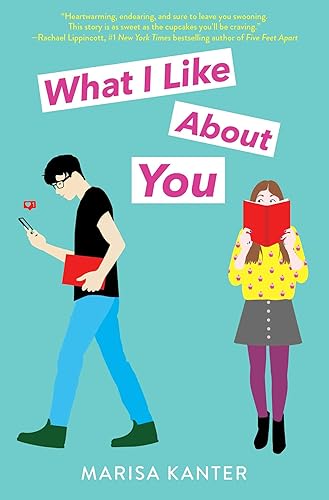
The central hook—Halle hiding her identity from her online best friend even as they hang out in person—can feel like a slow-motion train wreck. For a parent, your instinct might be to roll your eyes at the miscommunication trope. But for a teen, this isn't about being a liar; it’s about the very real fear that your "curated" self is the only version worth loving.
Halle’s persona, Kels, is a confident book influencer. Halle herself feels like a plain-beige version of that vibrant online presence. The book captures that specific Gen Z/Alpha friction: the "digital vs. physical" divide. If your kid spends time cultivating an aesthetic on TikTok or Discord, they’ll recognize the vulnerability involved in letting someone see the unedited, messy version of their life. It’s a low-stakes way to talk about why we feel the need to perform for an audience.
A celebration of "Niche" hobbies
One of the most charming things about this story is how it treats teen creativity. Nash isn't just "a guy"; he's a dedicated graphic novelist. Halle isn't just "a reader"; she’s a creator who pairs custom cupcakes with book reviews. It celebrates the maker culture that thrives online.
While the story isn't about the stage, the way these characters "perform" their online identities and channel their emotions into their art will resonate with any creative. If you have a teen who lives for their creative outlet—whether that's digital art, baking, or even the dramatic flair of a theatrical production—they will appreciate how Marisa Kanter treats these hobbies with respect rather than as "cute" side projects.
Why the "Jewish Rep" matters here
The Jewish representation in this book isn't a "very special episode" plot point. It is simply the atmosphere of Halle’s life. She goes to synagogue, she spends time with her grandfather (Gramps), and the cultural touchstones are woven into the fabric of her daily routine.
For Jewish families, it’s a breath of fresh air to see a romance where their culture is the default rather than a hurdle to be overcome. For everyone else, it’s a window into a warm, multi-generational family dynamic that feels lived-in and real. Gramps, in particular, serves as the emotional anchor, providing a grounded perspective that balances out the high-drama "will-they-won't-they" of the central romance.
If your teen liked "To All the Boys..."
This is the natural next step for fans of Jenny Han. It has that same soft-focus lens on high school life—it’s aspirational and sweet, but the emotional stakes feel heavy to the people involved. It’s a "clean" read in the sense that you don’t have to worry about graphic content, but it doesn't feel "young" or patronizing.
The conflict is internal. It’s about the courage to be authentic. If your kid is looking for a book that feels like a warm blanket but still acknowledges that being a teenager in the digital age is complicated, this is a top-tier pick. It’s a reminder that the best part of any "online" friendship is the person—not the profile—on the other side of the screen.