The "Martian" hangover
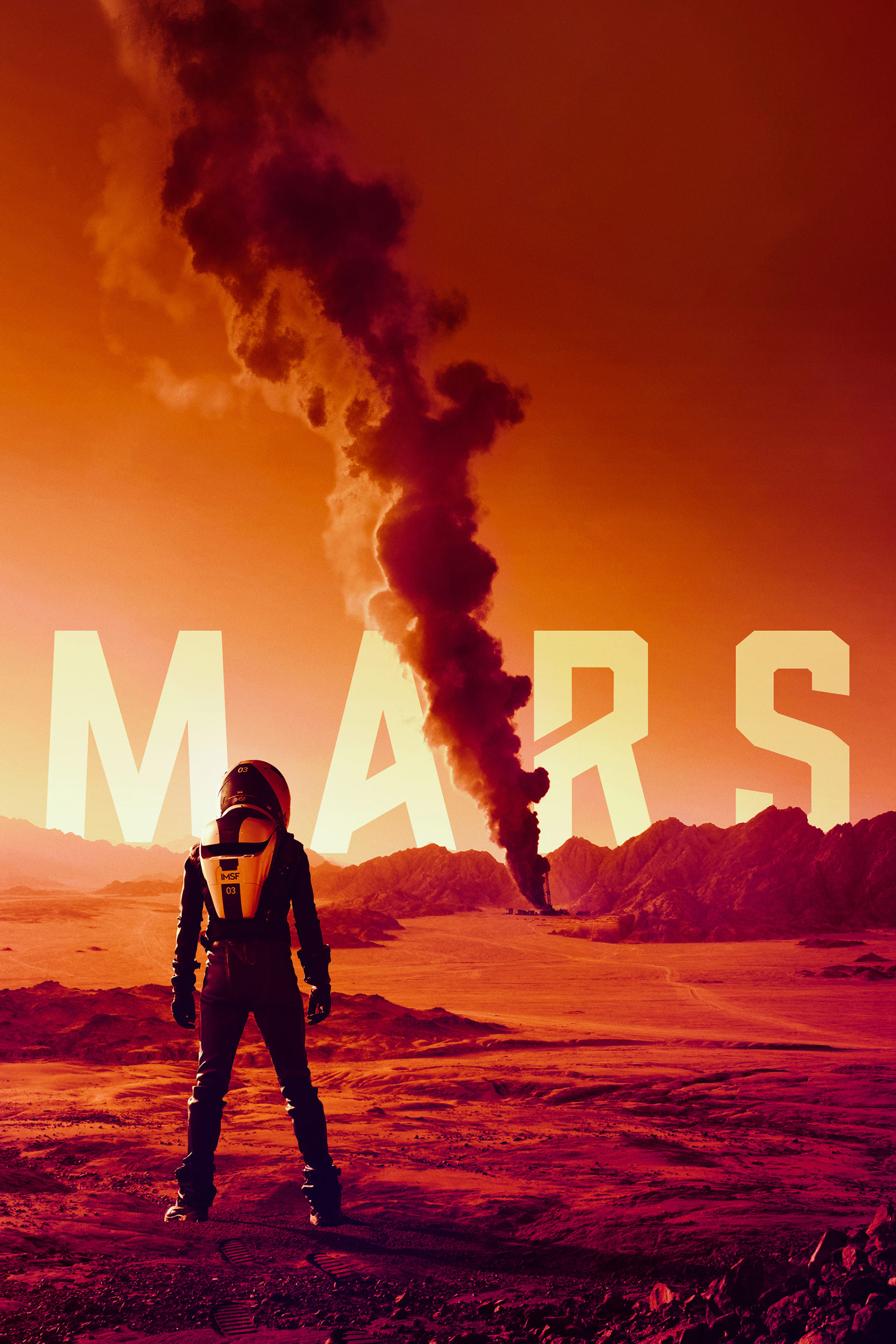
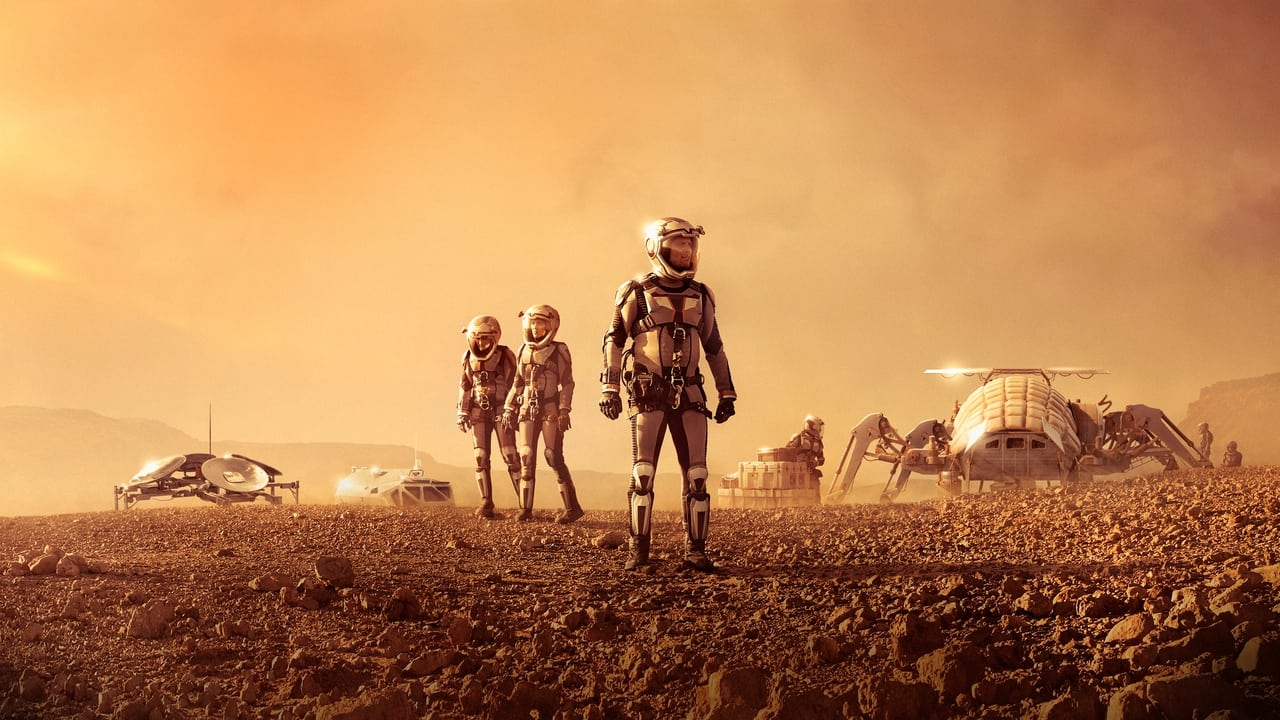
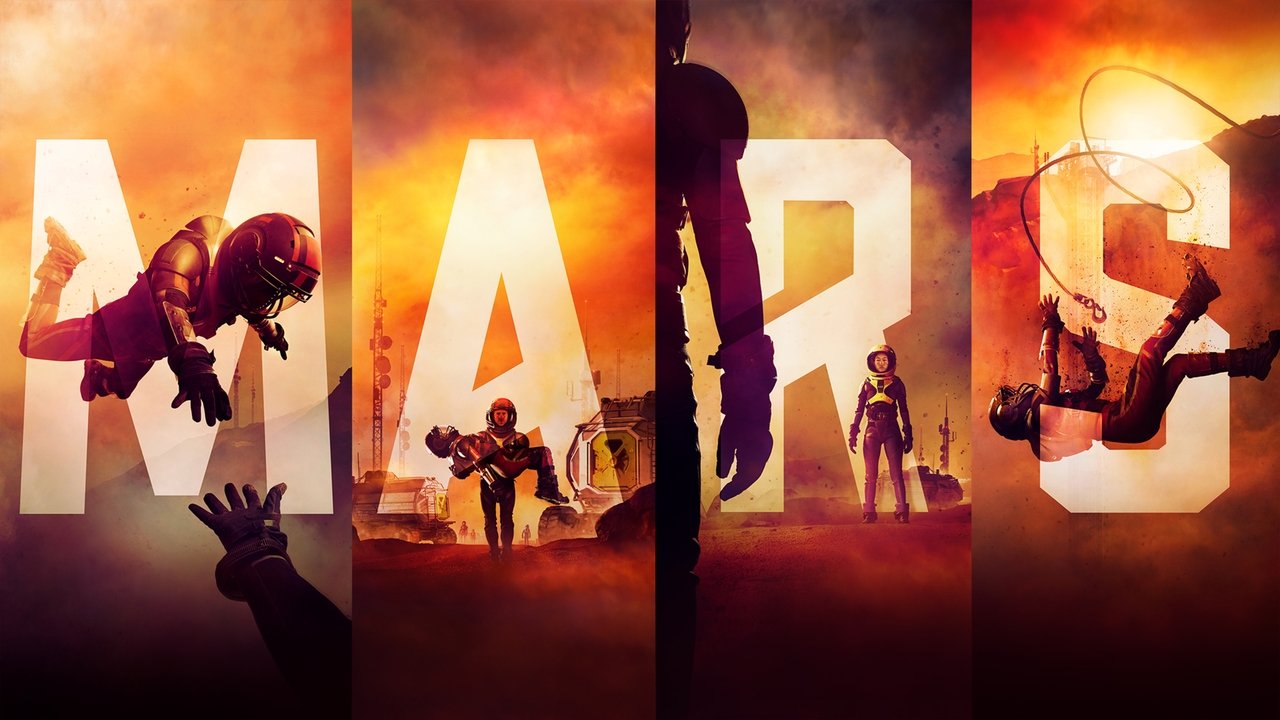
If your teenager has already watched The Martian three times and wants to know what happens after the credits roll, this is the logical next step. It’s the "hardest" sci-fi you’re going to find on a major streaming service. While most space adventures lean on laser blasts or alien encounters, this show obsesses over the math of survival.
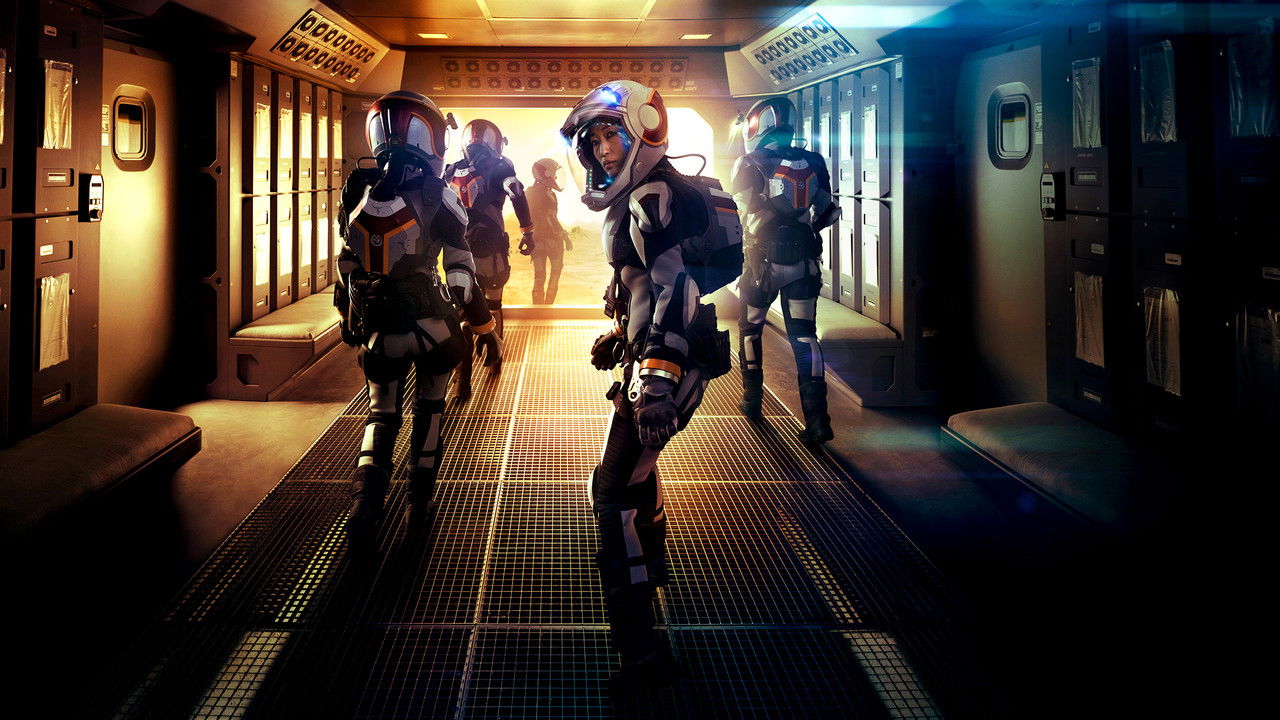
The 7.4 IMDb score is a fair reflection of the quality, but that Metacritic 59 tells a more specific story: critics in 2016 were divided on the "hybrid" format. Half the time, you’re watching a high-budget drama about the Daedalus crew; the other half, you’re watching a documentary featuring the likes of Elon Musk and Neil deGrasse Tyson. For a kid who just wants a story, the constant cuts to real-world interviews might feel like a commercial break they can't skip. But for a kid who actually wants to work at NASA, those interviews are the fuel that makes the fiction feel possible.
Beyond the "boring" documentary trope
Usually, when a show pauses the action to bring in a talking head, the energy dies. Here, the documentary segments function like a tech tree in a video game. You see the fictional crew struggling with a specific problem—like radiation or psychological isolation—and then the show immediately pivots to real-world engineers explaining why that’s the exact thing keeping them up at night.
If you find your teen is getting restless during the interview segments, it might be a sign they’re looking for pure escapism rather than a science lesson. In that case, you might want to pivot to our guide on Space Documentaries That Spark Wonder (Without the Existential Dread) to find something that balances the awe with a bit more levity.
The "Squeamish" threshold
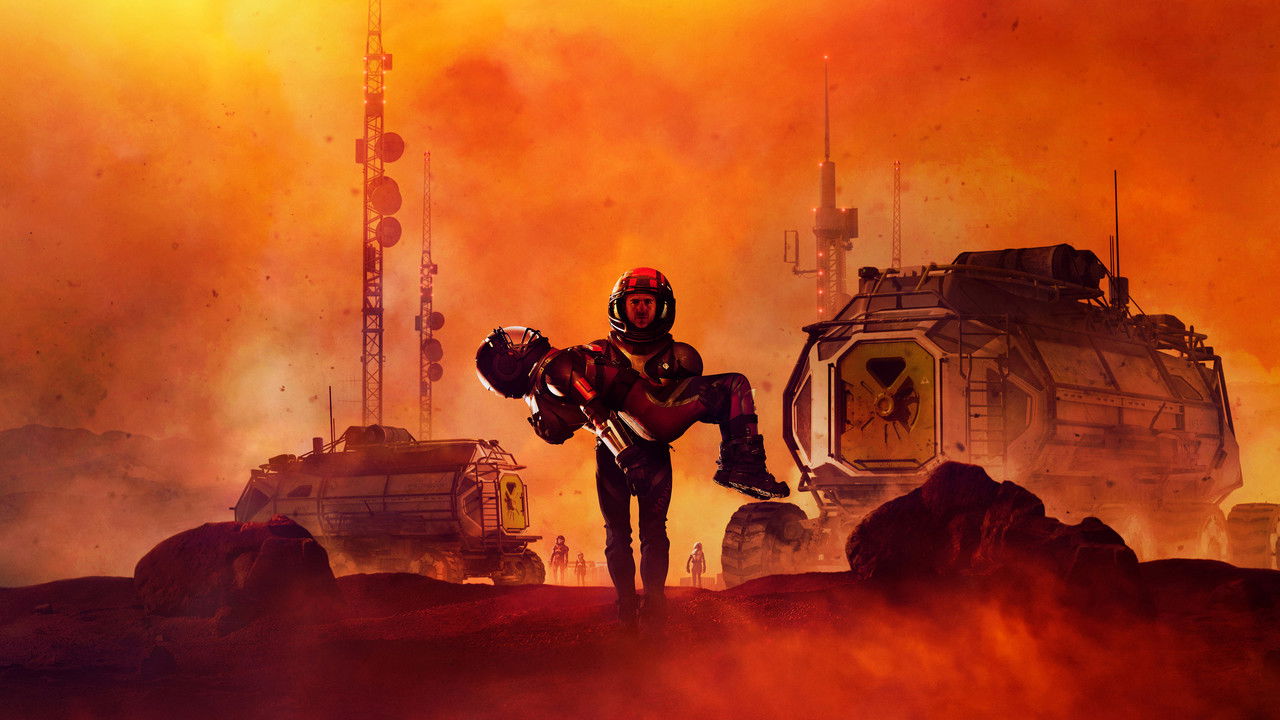
The "graphic medical procedures" warning in the bullets isn't just a standard disclaimer. Because the show is obsessed with realism, it doesn't do the Hollywood thing where a character gets "injured" and just wears a dramatic bandage for the rest of the episode. When things go wrong on the Daedalus, it is visceral.
You’re looking at realistic depictions of what happens to the human body in low gravity and high-stress environments. It’s less "horror movie" and more "surgical training video." If your kid is the type to look away during a blood draw, they’re going to be shielding their eyes for significant chunks of the first season.
How to watch it now
Since this originally aired in 2016, some of the "current day" interviews feel like a time capsule. We’ve actually seen some of the technology they discuss move from "theory" to "reality" in the years since. This creates a cool opportunity for a "where are they now" Google search after an episode. If a scientist mentions a specific rocket prototype, you can pull up a 2026 update to see if it actually flew. It turns the viewing experience into a detective mission for the truth.