The "Why-Dunnit" of Faith
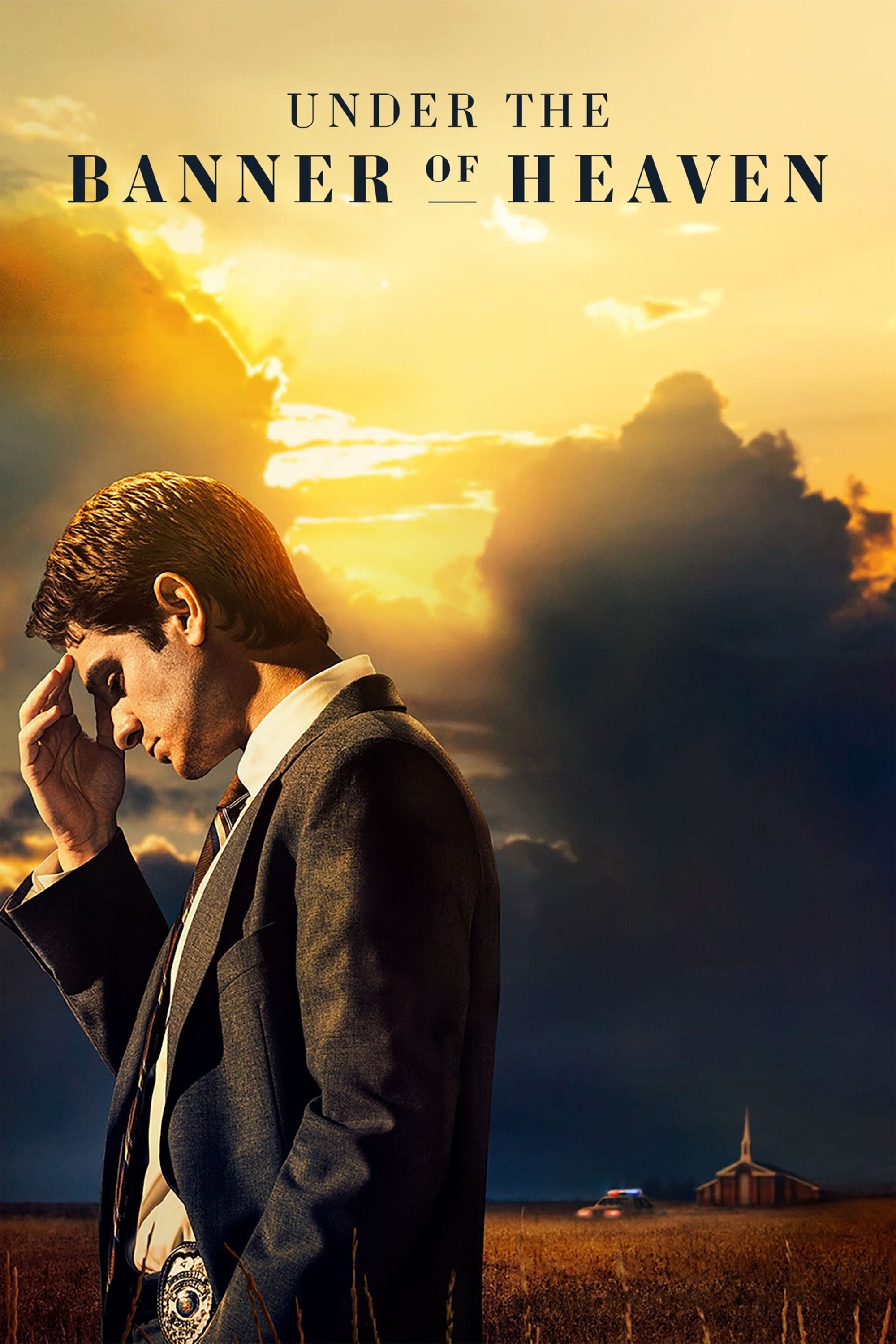
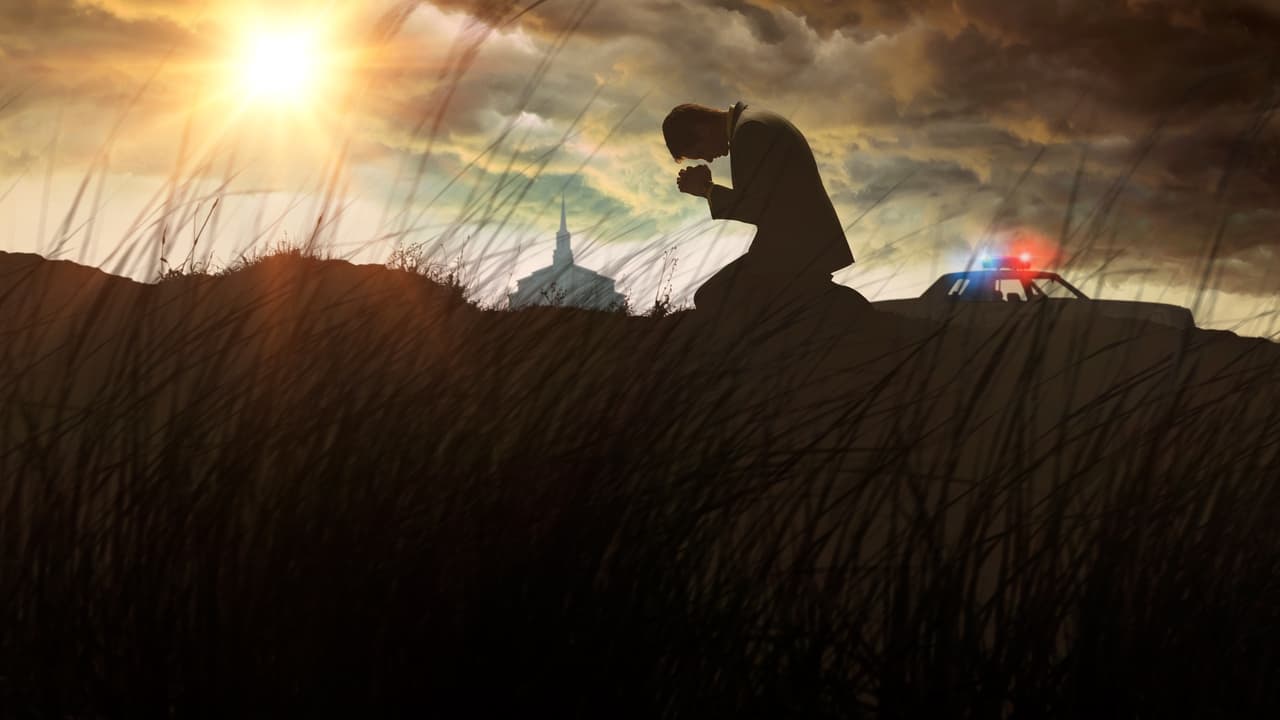
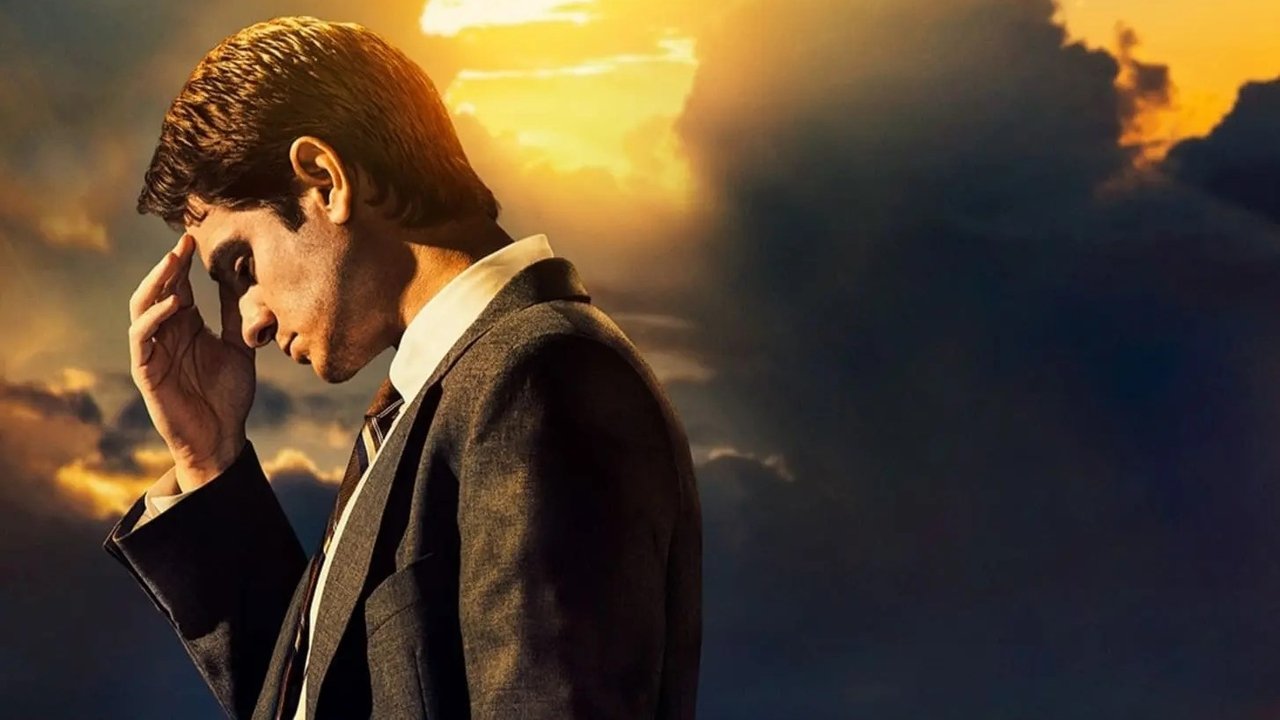
Most true crime shows are content to let the detective be a cynical observer. This series flips that. By putting a devout detective at the center of the investigation, the story becomes a dissection of his own soul. You aren't just watching him find a killer; you're watching him realize that the "monsters" are reading the same scriptures and praying to the same God he is. It’s a brilliant, if uncomfortable, narrative choice that elevates the show above your standard police procedural. It shifts the stakes from "will they catch him?" to "will the lead’s world survive the truth?"
A Different Kind of Period Piece
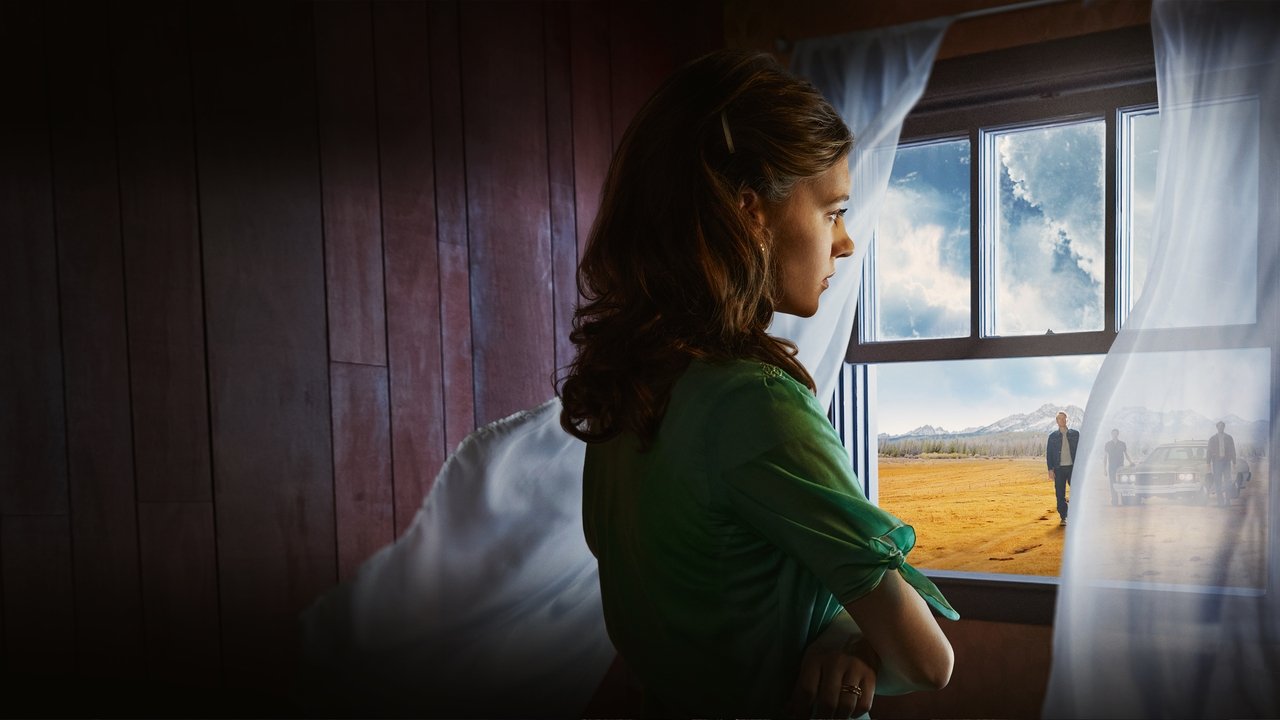
The show effectively juggles two timelines. You have the 1980s investigation, which feels lived-in and gritty, and then you have the historical flashbacks to the founding of the LDS church. This is where the show gets its "prestige" badge. It treats the 19th-century history with a cinematic scale that explains why the modern-day characters are so obsessed with the past.
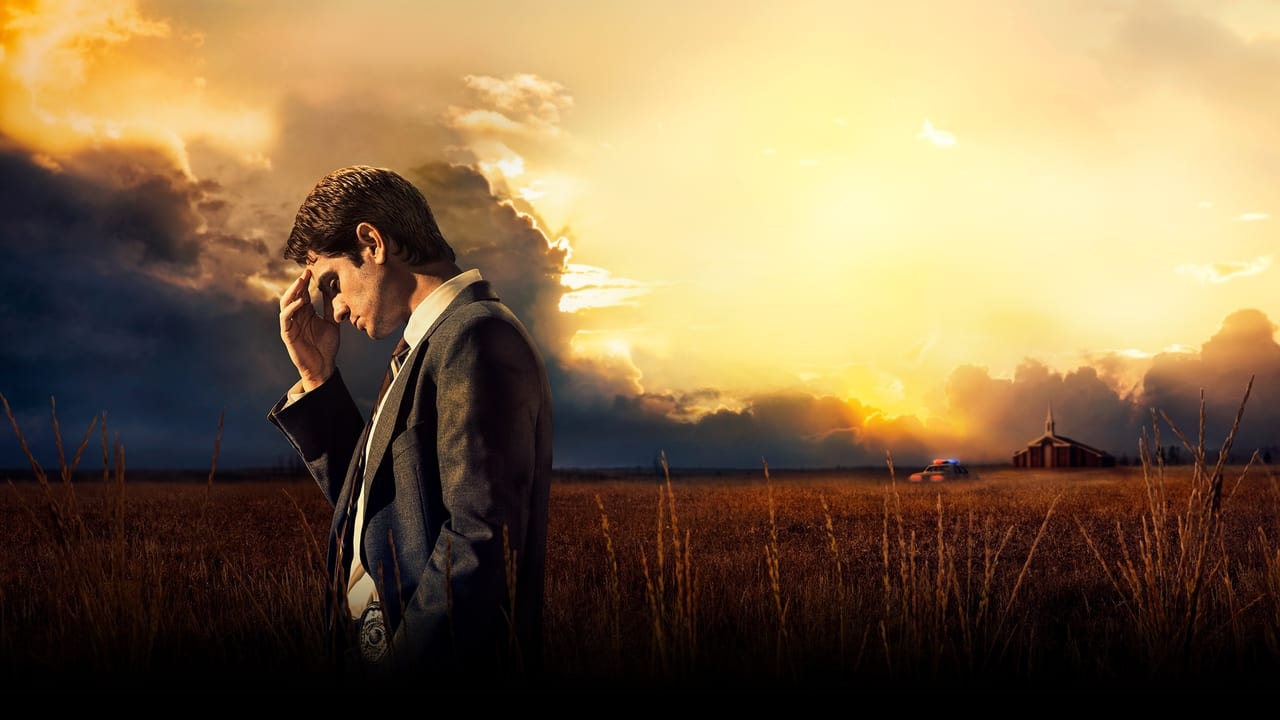
The rugged Utah landscape isn't just a backdrop; it’s a character that makes the extremist "frontier" mentality feel plausible. If you’ve ever browsed our guide to spicy shows and movies set in National Parks, you’ll recognize that specific brand of American isolation. The setting creates a sense that these families are operating under their own laws, far away from the reach of the modern world.
The Friction Point
If there’s a reason to turn this off, it’s the pacing. This isn't a show you "binge" on a Saturday afternoon while multi-tasking. It demands your full attention because it’s dense with theological debates and complex family trees. Some viewers might find the historical cutaways jarring, as they interrupt the momentum of the murder mystery.
But those scenes are the connective tissue that makes the ending hit so hard. It’s less about the shock of the crime and more about the slow, sickening realization of how a family can spiral into radicalization through small, incremental steps. It’s a psychological endurance test rather than a sprint.
Who is this for?
If you have a teen who is into deep-dive podcasts or those long-form video essays about cults and sociology, they’ll be hooked. It’s for the viewer who asks "but why did they think that was okay?" rather than the one who just wants to see the bad guy get handcuffed.
Critics on Rotten Tomatoes (86%) and fans on Letterboxd (3.9) generally agree that while it’s a grim sit, the payoff is worth the emotional tax. It’s a challenging watch that rewards viewers who are willing to sit with the ambiguity of belief and the reality that sometimes the most dangerous people are the ones who are most "certain."