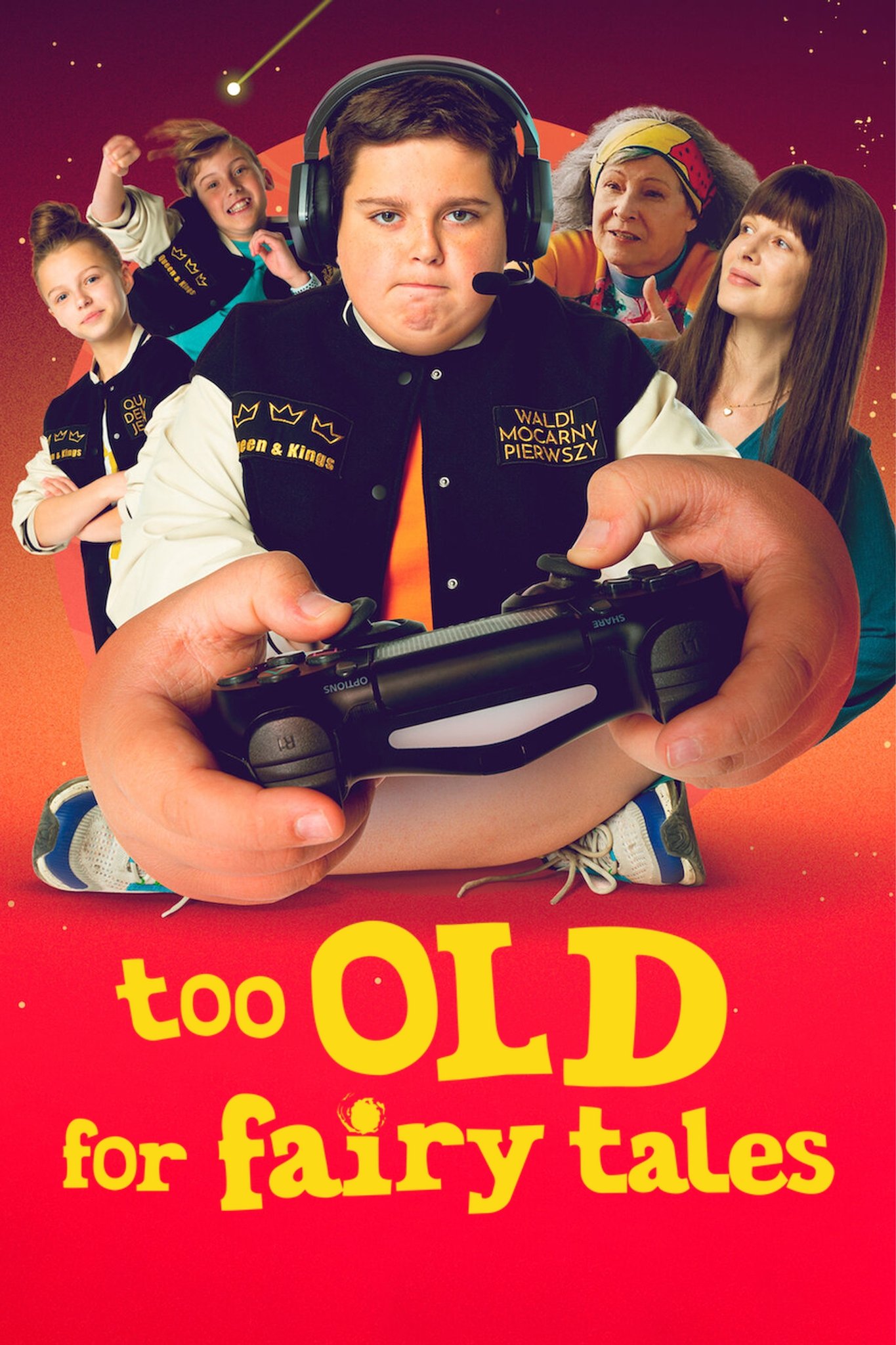
If you’ve ever looked at your kid’s glazed expression after a four-hour gaming session and felt a surge of "we need to go outside," this movie is speaking your language. It’s a Polish production that landed on Netflix with a very specific goal: to bridge the gap between the digital world and the dirt-under-the-fingernails world. While the 6.2 IMDb score suggests it won't be winning any Oscars, the 80% audience score on Rotten Tomatoes indicates it’s hitting a nerve with families who live the screen-time struggle every weekend.
The "Touch Grass" factor
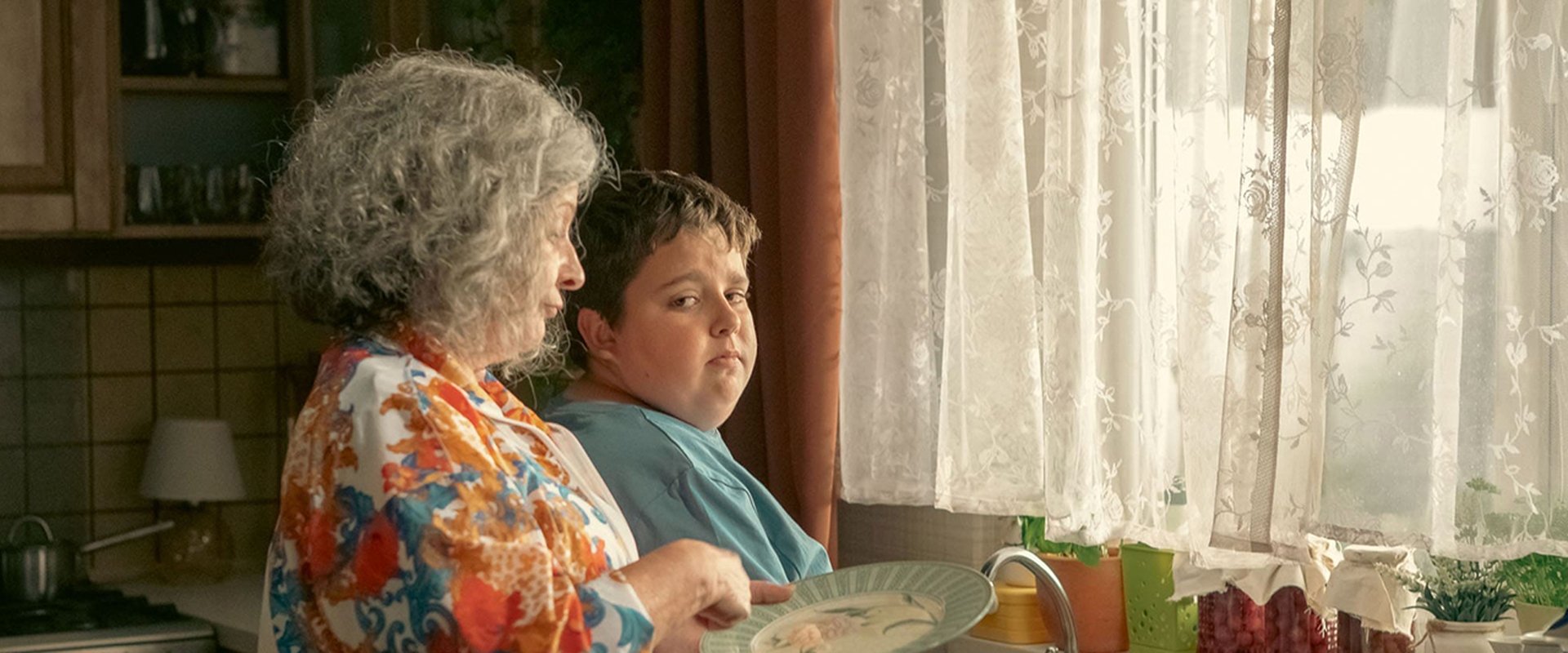
The movie doesn't just suggest that gaming is a distraction; it treats Waldek’s habits like a legitimate fog that needs to be cleared. When the aunt arrives, she doesn't just nag; she creates a friction that Waldek isn't used to. In an era where most kids' media celebrates "being yourself," this film is interested in "bettering yourself." It’s an old-school discipline narrative wrapped in a modern hoodie.
If your kid is deep into Roblox or competitive gaming, they might initially roll their eyes at the "games are bad" subtext. The movie is most effective if you frame it not as an attack on their hobby, but as a story about competence. Waldek’s journey from being a master of the keyboard to a master of his own life is the hook that keeps it from being a total lecture.
The audience disconnect
The massive gap between the Letterboxd rating (2.7) and the Rotten Tomatoes audience score (80%) is the most interesting thing about this film. Letterboxd is where the cinephiles hang out, and they clearly find the filmmaking uninspired or predictable. But the high audience score suggests that for a parent looking for a movie that isn't loud, obnoxious, or filled with bathroom humor, this is a win.
It’s a functional movie. It exists to spark a conversation about balance. It’s not trying to be Spider-Verse; it’s trying to be a mirror.
Why the "Aunt" archetype works
We’ve seen the "mean relative" trope a thousand times, but the "unpredictable aunt" here serves a specific purpose: she represents the unpredictability of the real world. Games are logic-based and predictable; the aunt is a chaotic force of nature. This is a great entry point for a post-movie chat. You can find the film on Netflix and use it as a low-stakes way to ask your kid: "If I left you with a survival-camp aunt for a week, what’s the one skill you’d actually want to come home with?"
Language and vibes
Since this is a Polish film, you’re likely looking at a dubbed version on Netflix. For some kids, the dubbing can be a barrier to entry—it can feel "uncanny" or slightly off-sync. If your kid is sensitive to that, it might be a hard sell. However, the visual language of the "survival camp" and the gaming setups are universal. It feels like a suburban story that could happen anywhere, which makes the "fairy tale" of the title feel more like a metaphor for the illusions we live in when we’re glued to a screen.