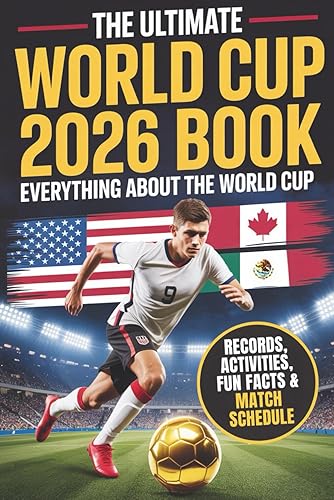
The 2026 World Cup is going to be a logistical circus. With 48 teams and matches scattered across three countries, even seasoned fans are going to feel a bit lost. For a kid, that chaos is actually an opportunity. While we’re trying to figure out the time zone math for a quarterfinal in Mexico City, they’re busy memorizing the seating capacity of every stadium from Vancouver to Miami.
The "Anti-Screen" Strategy
Most soccer content for this age group is delivered via 15-second TikTok clips of nutmegs and "Siuuu" celebrations. It’s high-energy but zero-context. This book is the corrective. It takes that same dopamine hit of "did you know?" trivia and pins it to a physical page.
If your kid has already burned through The Ultimate Book of Interesting Stories, they’ll recognize the rhythm here. It’s designed for the "fun fact" economy. It’s the kind of book that stays in the backseat of the car and gets quoted at you every time you hit a red light.
Why the 48-Team Expansion Matters
The biggest hurdle for the 2026 tournament is the sheer volume of teams. It’s easy for a kid to get overwhelmed by the "who is playing who" of it all. This guide breaks down the new format in a way that feels like a scouting report rather than a textbook.
It treats the stadiums like characters in the story. Instead of just listing a city, it gives the vibe of the venue. For a kid who might actually get to attend a game—or just wants to pretend they’re there—knowing the quirks of the North American host sites makes the whole thing feel tangible.
Winning the Argument
Soccer culture for teens is built on the "GOAT" debate and statistical dominance. This book provides the ammo. By including legendary matches and historical records, it gives them the context to understand why a specific 2026 moment is actually a big deal.
It’s not just about who scored; it’s about whose record they just broke. That historical grounding turns a casual viewer into a "student of the game," which is a much more rewarding way to watch a month-long tournament.
The Friction Point
The only real downside is that this is a "hype" book. It’s designed to get them obsessed. Once they’ve finished the quiz and memorized the star players, the next logical step in their mind is an eighty-dollar jersey or a trip to a host city.
It’s an interactive companion, but it’s also a gateway to a very expensive hobby. If you’re prepared for the sudden surge in soccer-related requests, it’s the best way to make sure they actually understand the global event unfolding on the TV.