The Romantasy Industrial Complex
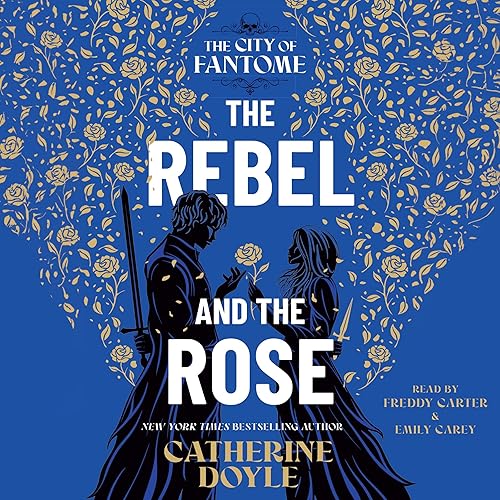
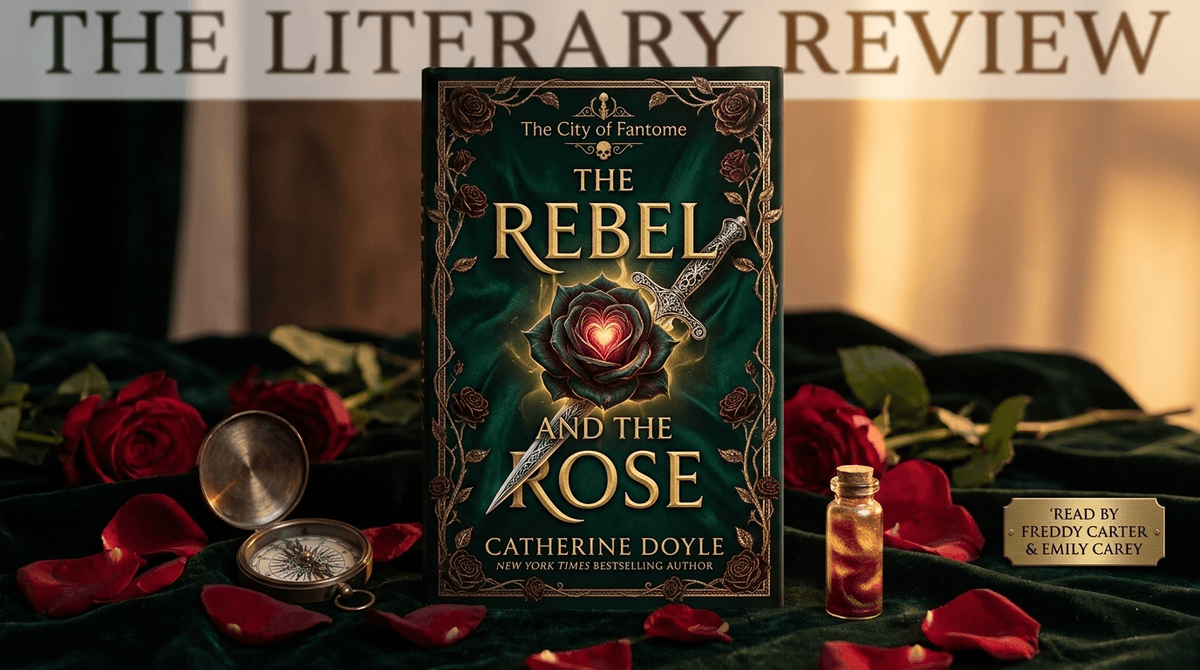
If your teen has been haunting the "Young Adult" section of the bookstore lately, they’ve likely already heard of Catherine Doyle. The Rebel and the Rose is the heavy-hitter sequel that fans have been waiting for, and it leans hard into the "romantasy" trend that’s currently dominating the charts. It’s a specific flavor of storytelling: one part intricate magic system, one part high-stakes political rebellion, and three parts "I want to kiss you but I might have to stab you first."
Doyle doesn't waste time with a slow burn here. Since this is the second book in the City of Fantome series, the tension between Seraphine and Ransom is already at a boiling point. It’s a NYT bestseller for a reason—it delivers exactly what the audience wants: emotional payoff and a world that feels dangerous enough to matter.
Navigating the "Sultry" Label
You’ll see the word "sultry" pop up in almost every professional review of this book. In the context of 2025 YA fiction, that’s a signal. It means the romance isn't just a side plot; it’s the engine. While the book stays within the bounds of Young Adult, it pushes the envelope on physical tension. If you're trying to figure out if the "spice" level is a dealbreaker for your specific kid, our parent's guide to The Rebel and the Rose breaks down exactly what that "sultry" tag looks like in practice.
Beyond the romance, the "dark fantasy" label is earned. This isn't a sanitized fairy tale. There is betrayal and shade magic, along with the kind of violence you’d expect from a story about an assassin leading the Order of Daggers. It’s gritty, but it’s not gratuitous.
If They Liked Caraval or Margaret Rogerson
This is the natural next step for readers who graduated from the whimsical, puzzle-box energy of Caraval and want something with more "teeth." It’s also a great fit for fans of Margaret Rogerson’s work, where the magic feels ancient and slightly terrifying.
The magic system—Sera’s lightfire versus the creeping shade magic—provides a solid framework for the plot. It’s not just "magic for magic’s sake." It’s a metaphor for the internal struggle both leads are facing. Sera is trying to control a power that feels like it’s burning her up, while Ransom is trying to lead a group of assassins without losing his soul. If your teen enjoys stories where the heroes are flawed and the villains are complicated, this will hit the spot.