The "Defense Attorney" problem
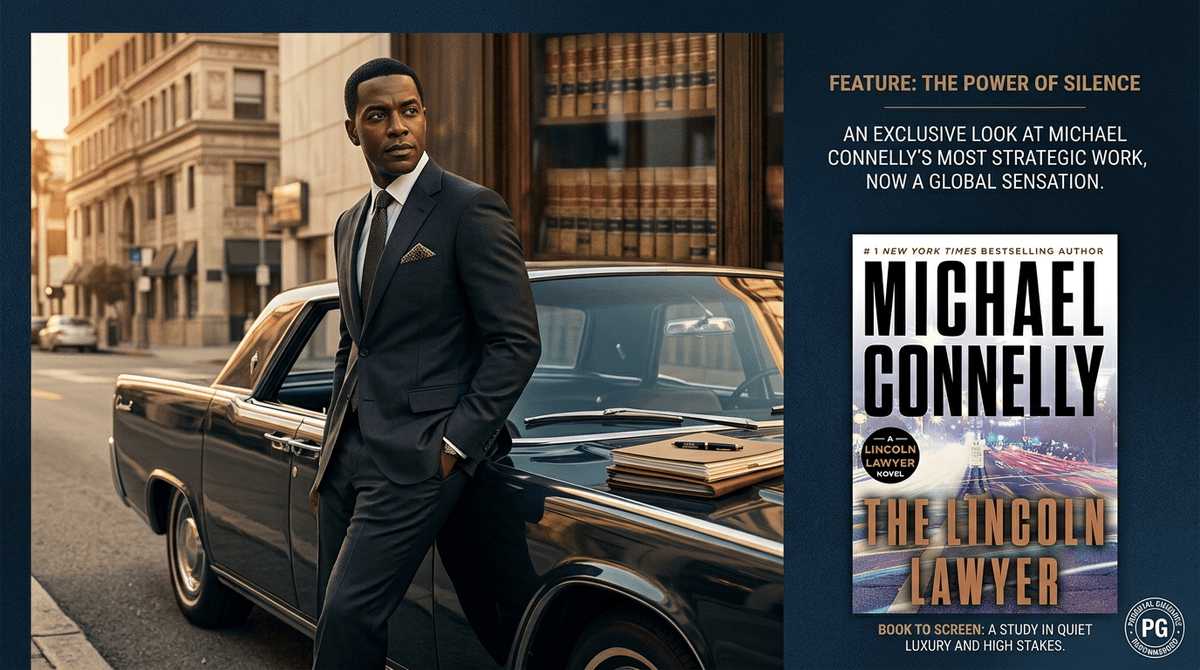
Most legal dramas follow the same tired script: a heroic prosecutor puts a "bad guy" behind bars while the music swells. The Lincoln Lawyer flips that script on its head. Mickey Haller isn't a hero in the traditional sense; he’s a bottom-feeder who happens to be brilliant at his job. He represents the people everyone else has already decided are guilty.
For a teenager, this is a fascinating entry point into how the world actually works. It moves away from the "good vs. evil" binary and into the "client vs. system" reality. If your kid is the type who likes to argue for the sake of arguing—or if they’ve spent any time watching legal breakdowns on social media—they will find Haller’s tactical, often cynical approach to the law addictive.
Why it works for the "True Crime" generation
We are living in an era where true crime is basically a personality trait. If your teen has already cycled through the big podcasts or Netflix documentaries, this book is the logical next step. It provides the "how-to" of a criminal defense that most documentaries gloss over.
Michael Connelly writes with a level of authority that makes the legal maneuvering feel like a heist. It’s less about the "truth" and more about the leverage. The book excels at showing how a case is built, dismantled, and traded. It’s a masterclass in strategy, which is why it maintains such a high rating among readers who usually find legal jargon boring.
From the page to the screen
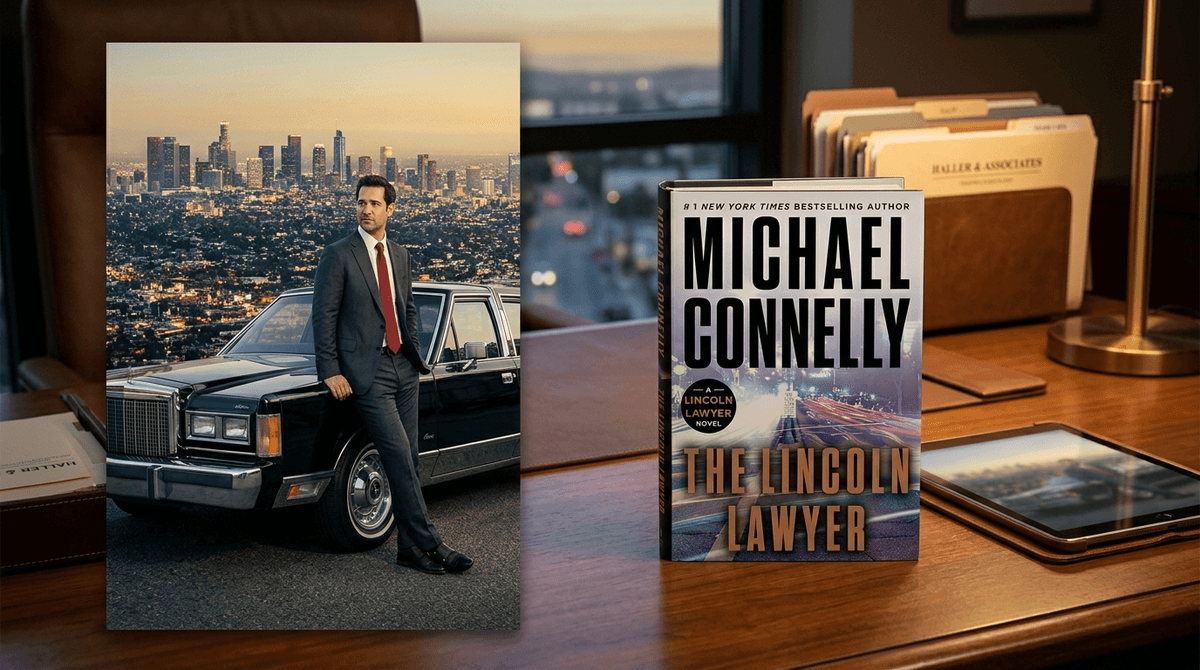
Once they finish the book, the conversation is almost certainly going to pivot to the various adaptations. While the book is the foundation, the franchise has a massive life on streaming platforms. If they're ready to move from reading about Mickey’s mobile office to seeing it in action, you’ll want to check our Lincoln Lawyer Parents Guide: Why It's Rated TV-MA.
The transition from the page to the screen is where the "woke" vs. "gritty" debate usually happens in fan circles. The book stays firmly in that gritty, mid-2000s Los Angeles pocket, where the smog is thick and the ethics are blurry.
The friction to watch for
The real "danger" here isn't the violence—though there’s enough of that to keep the stakes high—it’s the cynicism. Haller’s worldview is that everyone is guilty, and the goal isn't to find an innocent man, but to make sure the guilty one gets a fair (or better than fair) shake.
It’s a heavy concept for a younger reader who still wants the world to be fair. It’s worth asking them if they think Haller is actually a "good" person, or if being a good lawyer is enough. This isn't a book that rewards moral purity; it rewards the smartest person in the room. If your kid can handle a protagonist who operates in the gray, they’re going to love this.