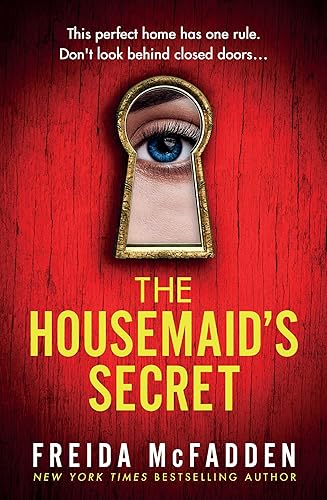
The BookTok Juggernaut
If your teen is into the "thriller" side of social media, they’ve already seen this cover. Freida McFadden has become a permanent fixture on best-seller lists because she writes books that function like a high-speed train. There is no filler. The Housemaid’s Secret is a sequel, but it works as a standalone if they missed the first one. It’s the kind of read that turns "I don't like reading" kids into "I stayed up until 2:00 AM" kids.
The appeal here isn't literary prose; it’s the pacing. McFadden uses short chapters and constant cliffhangers to keep the reader off-balance. For a parent, the context you need is that this isn't a "cozy" mystery. It’s gritty, focused on the messy realities of domestic life, and leans heavily into the "unreliable narrator" trope that has dominated the genre since The Girl on the Train.
The YA-to-Adult Pipeline
If your teen spent their middle school years devouring A Good Girl's Guide to Murder or One of Us Is Lying, they are likely looking for something that feels more dangerous. This book is that bridge. While those YA hits focus on high school drama and school-based mysteries, The Housemaid’s Secret moves the stakes into the adult world of penthouses, employment contracts, and marriage.
The friction for a younger reader isn't the vocabulary; it’s the cynicism. The protagonist, Millie, doesn't trust the police. She doesn't trust the legal system. She operates in a world where the only way to get justice is to take it. If you're curious about the woman behind these dark plots, you should check out our guide to unmasking Freida McFadden, which explains how a practicing physician became the queen of the psychological thriller.
Navigating the "Vigilante" Logic
The most specific thing to discuss with a teen reader here is the concept of agency. Millie isn't a passive observer; she’s a character who actively chooses to interfere in the lives of her employers. In this installment, she suspects Douglas Garrick is abusing his wife, and she decides to play protector.
This creates a great opening to talk about why characters in thrillers make "bad" decisions.
- Why doesn't Millie just walk away when she sees the blood on the nightgowns?
- Why does she feel like she’s the only one who can help?
The book wins awards because it makes these choices feel logical in the moment, even if they are legally or morally questionable. It’s a masterclass in how secrets create a "trap" for everyone involved. If your kid is younger and not quite ready for this level of intensity, they might be better served by something that focuses on softer social dynamics, like the stories found in The Secret Playbook of Life, before they graduate to McFadden’s brand of chaos.
Why the "Secret" Works
The "Secret" in the title refers to Millie’s own past, which is a recurring theme in the series. McFadden treats a criminal record not as a moral failing, but as a burden that makes the protagonist vulnerable. This adds a layer of class commentary that is often missing from lighter mysteries. Millie can't just call the cops because the cops are a threat to her.
When your teen finishes the book—and they will finish it quickly—the conversation shouldn't just be about the "big twist." It should be about the power dynamics. The Garricks have the penthouse and the money; Millie has the keys and the secrets. That's where the real tension lives.