The graduation from Camp Half-Blood
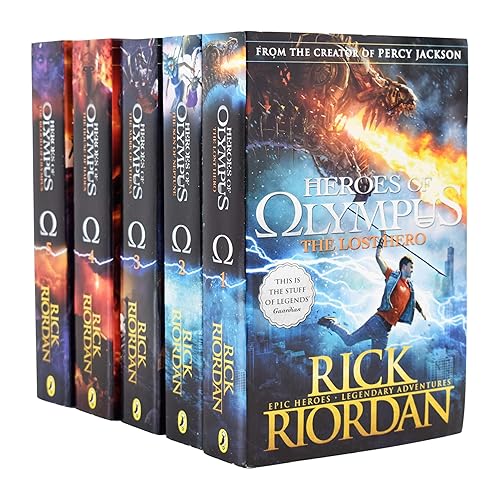
If your kid powered through the original Percy Jackson & The Olympians and is looking for more, this is the logical next step. But be aware: it’s a significant jump in weight. While the first series felt like a fast-paced middle-grade romp, The Heroes of Olympus is where Rick Riordan starts writing "bricks." We’re talking five books that average over 500 pages each.
The most jarring change for many readers is the shift from Percy’s first-person, snarky narration to a third-person perspective that rotates between seven different protagonists. This is a classic move for book series that grow with your reader, as it demands more emotional bandwidth. Your kid has to track multiple plotlines across the Atlantic and keep tabs on who is dating whom while they’re busy fighting giants.
Reframing the "Battlefield Reflexes"
One of the best things about the Riordanverse is how it treats neurodiversity. In this series, the idea that ADHD is actually "battlefield reflexes" and dyslexia is a brain hard-wired for Ancient Greek isn't just a throwaway line—it’s the core of their survival. If you have a child who struggles in a traditional classroom, seeing these traits portrayed as elite warrior skills is incredibly validating.
We’ve seen how Percy Jackson reframes ADHD and dyslexia as secret weapons, and this series doubles down on that. It adds new layers, like characters dealing with the pressure of high expectations or the feeling of being the "seventh wheel" in a group of high-achievers. It’s surprisingly grounded for a book about teenagers flying on a mechanical dragon.
The "House of Hades" moment
Parents often Google this series after the fourth book because of a specific plot point: a major male character is forced to come out as having a crush on another boy. It’s handled with a lot of grace, framed through the lens of Roman history and personal courage. It doesn't change the tone of the series, but it’s a moment of real vulnerability that resonates with modern middle-schoolers.
The violence remains "PG-13 fantasy"—monsters turn to dust, and while there is peril and some character death, it’s never gratuitous. It’s the kind of high-stakes adventure that makes the 2,000-page total commitment feel like a sprint rather than a marathon.
Managing the 500-page "bricks"
If the sheer page count is intimidating for your reader, Percy Jackson audiobooks are the ultimate hack. The narrators do a great job with the various accents (especially for the new Roman characters), and it helps kids get past the slower descriptive passages that can sometimes bog down the middle of these longer books.
If your kid is obsessed with the mythology but finds the physical books too heavy to lug around in a backpack, these are also a great candidate for an e-reader where the "90 chapters remaining" stat feels a little less daunting. This series is the bridge to YA literature; it’s more complex than what came before, but it never loses the humor that made the world famous.