Our reviews and ratings are 100% unbiased. Screenwise is a Bookshop.org affiliate and an Amazon Associate, so if you buy a book through one of our links, we may earn a commission. Bookshop.org purchases also support independent bookstores.
Screenwise Verdict
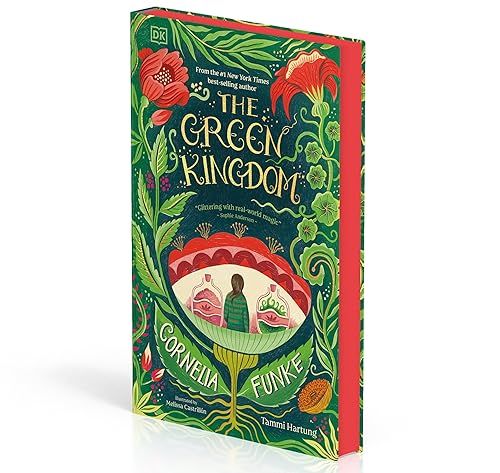
This is Cornelia Funke doing what she does best—taking something ordinary (moving to Brooklyn, noticing plants) and making it feel like a secret adventure. The botanical riddles are genuinely educational without being preachy, and the emotional arc is tender without tipping into after-school-special territory.
It's not as high-fantasy as Inkheart, which might disappoint kids expecting dragons, but the real-world magic here is arguably more useful: it teaches kids to see wonder in sidewalk weeds and fire escapes. The pacing is gentle, the stakes are internal, and the whole thing feels like a warm hug that also happens to teach you about herbalism.
Perfect for the kid who's outgrowing Magic Tree House but not quite ready for Percy Jackson's chaos. Also a sneaky-good pick for families navigating moves or kids who think cities are 'just concrete.'
Age Fit
Solidly middle-grade, best for ages 10-12 who can handle chapter books and enjoy mysteries with heart. Plant-curious kids or those dealing with transitions will especially connect. Upper elementary readers who loved Greenwild or earlier Funke will feel right at home here.
WISE Breakdown
Wholesome
92
A warm story about a 12-year-old navigating a difficult transition (moving to NYC) that models resilience, curiosity, and forming new friendships. The botanical riddle-solving framework gives Caspia agency and purpose. Reviews consistently describe it as 'warm,' 'joyful,' and 'full of light'—emotionally healthy without being saccharine. The nature-connection theme offers grounding in an otherwise overwhelming urban setting.
Imaginative
88
Funke brings her signature world-building to a real-world setting, weaving botanical magic into NYC. The riddle-based structure invites active problem-solving alongside Caspia. The premise—discovering hidden letters with plant clues—sparks curiosity about the natural world in unexpected places. Reviews praise the 'mystery' and 'magic' elements, though it's more grounded than Funke's fantasy epics like Inkheart, making it slightly less transportive.
Safe
98
Middle-grade fiction from a trusted author with zero red flags. Common Sense Media reviewed it (age rating not specified in results but context suggests 10+). No violence, mature themes, or inappropriate content. The only 'conflict' is internal—Caspia's adjustment to a new city. One Facebook comment oddly claims 'this is NOT a kid book' but recommends it for 'teen and adult readers,' which seems like an outlier opinion; all other sources confirm it's solidly middle-grade.
Enriching
90
Packed with real botanical information woven into the narrative—reviews call it 'info-packed' and note co-author Tammi Hartung (an herbalist). Kids learn about plants, ecosystems, and urban nature while solving riddles. The emotional arc teaches adaptability, finding home in unexpected places, and the value of putting down 'new roots.' Combines entertainment with genuine learning without feeling didactic. The NYC setting also offers urban geography and cultural exposure.
Parent Info
✓
Why It Might Be Great
Teaches real plant science through an engaging treasure-hunt structure—kids learn botany without realizing they're learning
Perfect for reluctant city kids or anyone dealing with a move; Caspia's journey from 'hating' NYC to discovering its hidden magic is deeply relatable
Funke's signature warmth and world-building applied to a real-world setting makes urban nature feel genuinely enchanting
The riddle-solving framework gives kids agency and invites them to look at their own neighborhoods differently
Strong friendship themes and a protagonist who grows through curiosity rather than combat
⚠
What to Watch For
One random Facebook comment claims it's 'NOT a kid book' and better for teens/adults—this seems to be an outlier take, but if your 10-year-old struggles with slower-paced mysteries, gauge interest first
It's botanical-heavy; plant-obsessed kids will devour this, but if your kid thinks nature is 'boring,' the pacing might drag
The emotional core is about loneliness and displacement before finding connection—sensitive kids might need to talk through Caspia's initial unhappiness
Conversation Starters
"If you could create a riddle hunt in our neighborhood, what would the clues be? What would people discover?"
"Caspia hated NYC at first but found magic in the plants. Have you ever changed your mind about a place after getting to know it better?"
"What's a plant you see all the time but never really thought about? Want to look it up together?"
"If you had to move somewhere totally new like Caspia, what would help you feel at home?"