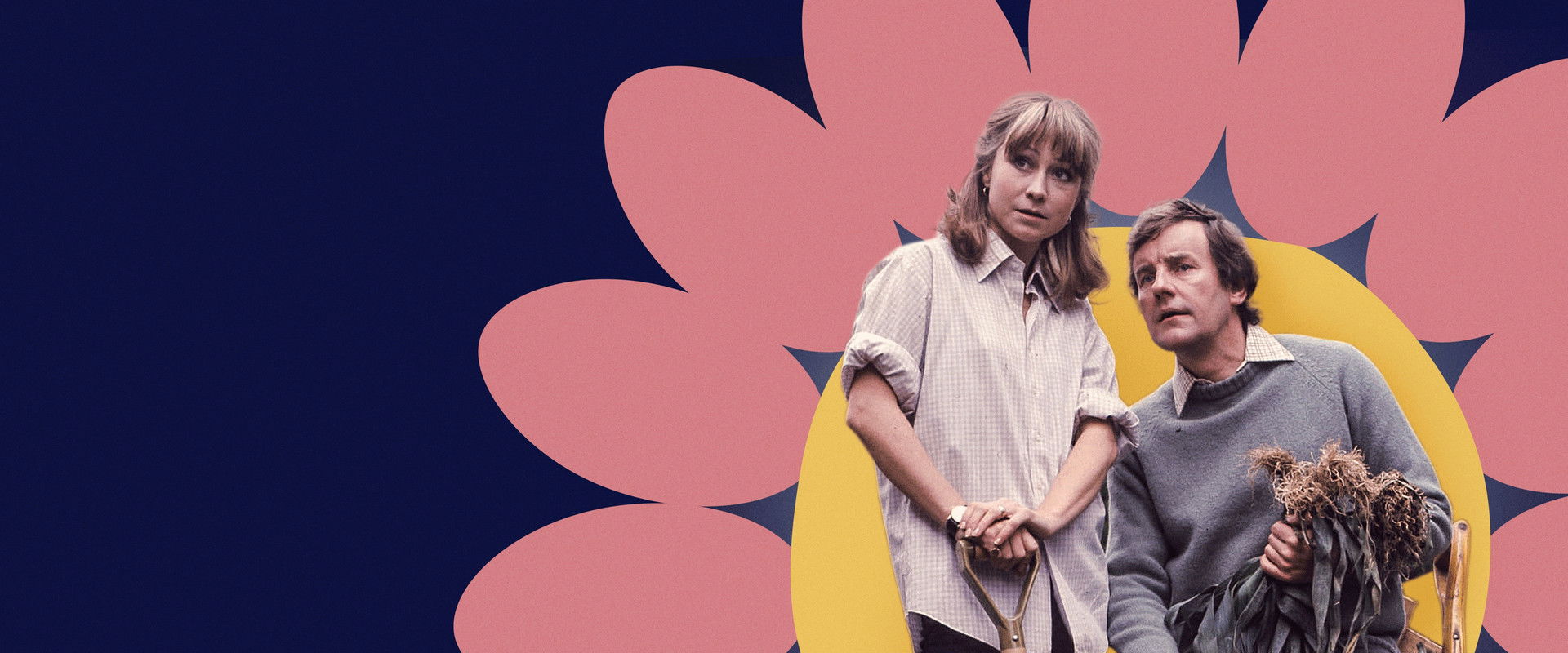
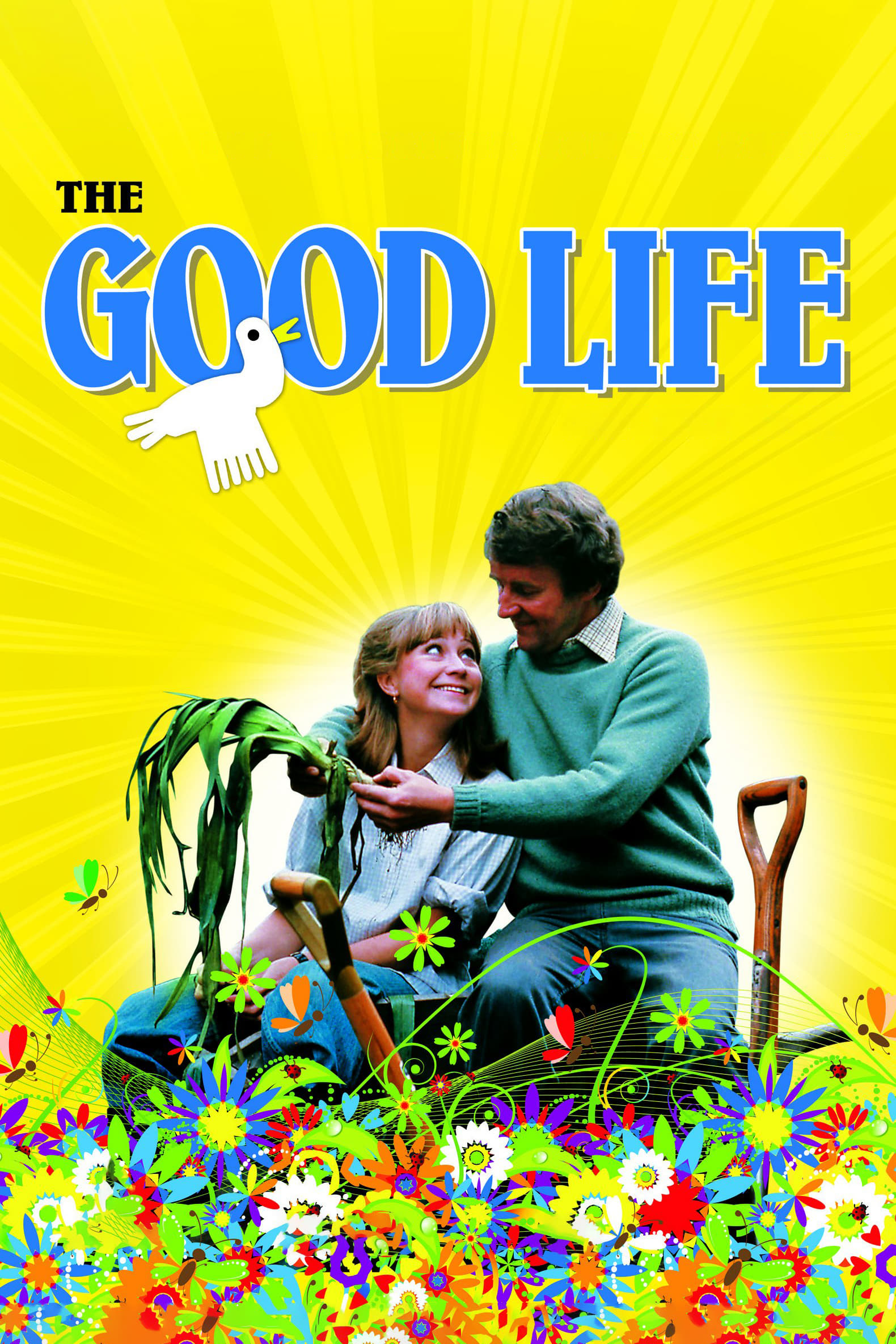
While the verdict is right about the pacing, there is a specific brand of rebellion in this show that modern kids might actually find fascinating if they can get past the 1970s film stock. We’re currently living through a massive cultural obsession with "homesteading" and "off-grid" living on social media. Tom and Barbara Good are essentially the original influencers of that movement, minus the ring lights and the curated aesthetic. They aren't doing it for the "likes"—they’re doing it because the corporate treadmill broke their spirits.
The Surbiton standoff
The engine of the show isn't actually the farming; it’s the social friction between the Goods and their neighbors, Margo and Jerry. If your kids have ever seen a "Karen" meme or dealt with a strict HOA-style neighbor, they’ll recognize Margo instantly. She represents the crushing weight of "what will the neighbors think," while Tom and Barbara represent the total abandonment of social status.
There is a genuine, recurring tension here that is more sophisticated than your average Disney Channel sitcom. Jerry and Tom are best friends, but Jerry is climbing the corporate ladder while Tom is covered in literal pig manure. Watching them navigate that friendship while their lives move in opposite directions is the most human part of the series. It’s a study in how to maintain a community when your values have completely diverged.
The "Brown" aesthetic
You have to prepare a modern viewer for the visuals. Television in 1975 Britain was aggressively beige. The sets are cramped, the lighting is flat, and the "special effects" usually involve a goat wandering into a kitchen. For a generation raised on the high-saturation, rapid-fire editing of YouTube or MrBeast, The Good Life will feel like watching a stage play through a dirty window.
However, there is a tactile reality to it that modern CGI-heavy shows lack. When they dig a trench, they are actually digging in real, heavy mud. When they harvest something, it looks like actual food, not a prop. There is a "lo-fi" charm here that fits the current cottagecore aesthetic, even if the production values are prehistoric.
How to bridge the gap
If you really want to try this with a ten-year-old, don't start with the pilot. Look for episodes involving the livestock. The chaos of trying to keep a pig or a goat in a pristine suburban backyard provides the kind of physical comedy that translates across decades.
It’s also worth pointing out the marriage dynamic. In an era where most sitcom dads were bumbling idiots and moms were nags, Tom and Barbara are a legitimate team. They make decisions together, they fail together, and they clearly like each other. That’s a rare find in vintage TV and gives the show a warmth that helps balance out the dated gender roles mentioned in the Common Sense Media review.
If your kid is the type who spends hours in Minecraft building a self-sustaining farm or watches "primitive technology" videos on YouTube, they might find a kindred spirit in Tom Good. Just keep the remote handy for when the 1970s conversational filler starts to drag.