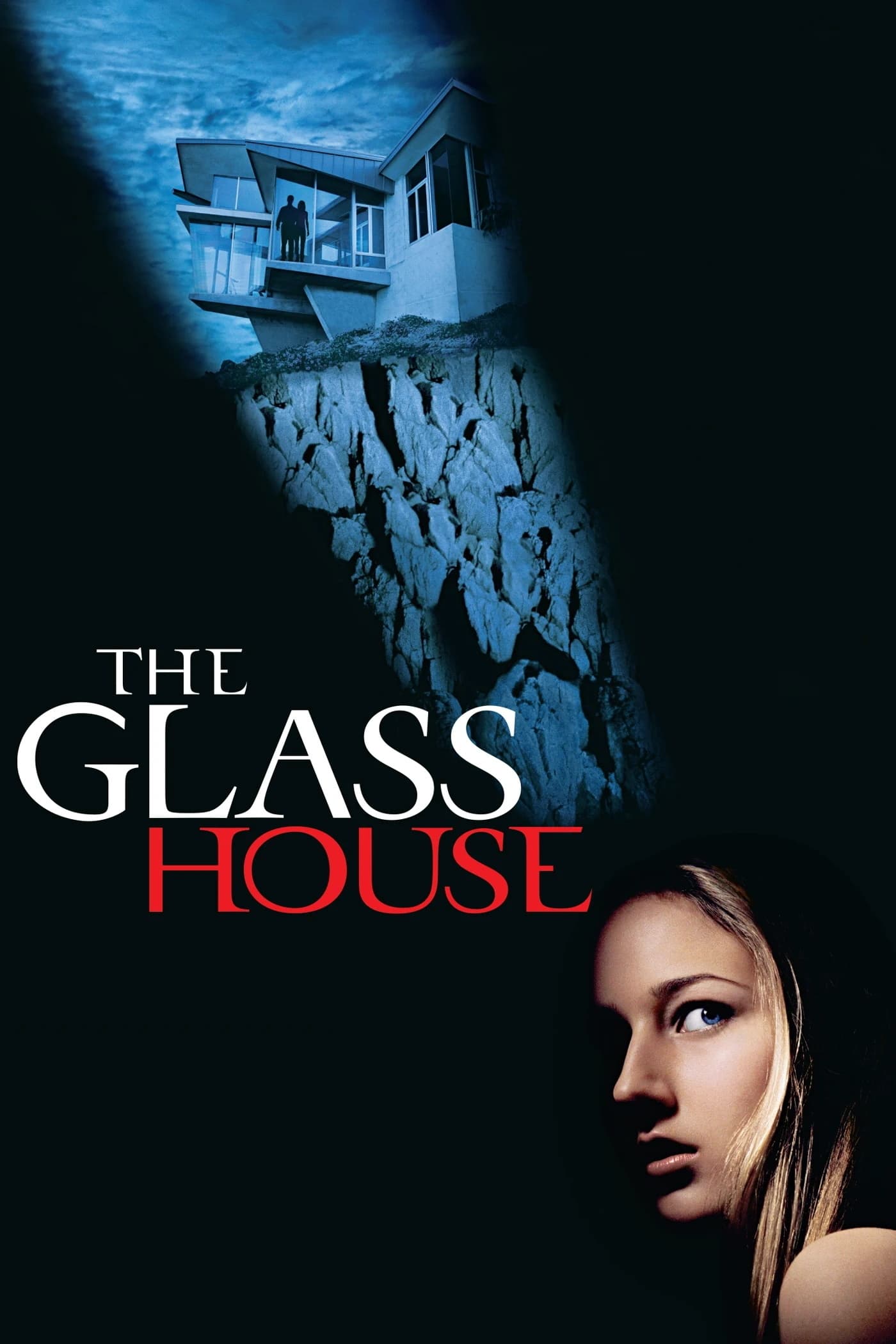
A Time Capsule of 2000s Paranoia
Watching The Glass House in 2026 feels like visiting a museum of early-millennium filmmaking. You’ve got the high-contrast lighting, the heavy-handed foreshadowing, and a plot that relies entirely on adults being incompetent. While it was panned upon release—Rotten Tomatoes critics gave it a dismal 21%—it has a certain 'guilty pleasure' vibe for people who miss the era of mid-budget psychological thrillers.
The Architecture of Unease
The best thing about the movie is the house. It’s a literal glass cage. For a teenager, the lack of privacy is the ultimate horror, and the film plays that up well. Ruby (Leelee Sobieski) has no doors, no secrets, and no way to hide from the increasingly erratic behavior of her new guardians. It’s a solid metaphor, even if the script handles it with the subtlety of a sledgehammer.
Why It Struggles Today
Modern audiences, especially teens raised on tight, fast-paced streaming thrillers, will likely find the pacing sluggish. The 'mystery' isn't much of a mystery; we know the Glasses are bad news within the first fifteen minutes. The tension doesn't come from if they are evil, but how the kids will get away.
If you're looking for something in this vein that actually holds up, you're better off with something like Searching or even a classic Hitchcock like Rear Window. The Glass House is fine for a rainy afternoon if it's already included in your Netflix sub, but don't go out of your way for it.