Our reviews and ratings are 100% unbiased. Screenwise is a Bookshop.org affiliate and an Amazon Associate, so if you buy a book through one of our links, we may earn a commission. Bookshop.org purchases also support independent bookstores.
Screenwise Verdict
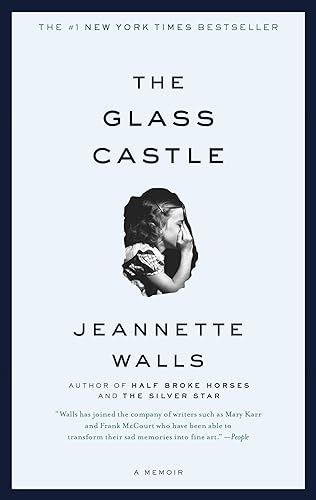
This is one of those books that punches you in the gut and stays with you for years. Jeannette Walls tells her story with unflinching honesty and zero self-pity, which makes it all the more devastating and beautiful.
It's not safe in the traditional sense—there's child neglect, molestation, fire injuries, and parents who are equal parts brilliant and maddening. But it's enriching as hell. You'll finish it with a deeper understanding of poverty, addiction, resilience, and the impossible tangle of loving people who fail you.
This is absolutely not for middle schoolers or younger teens unless they're exceptionally mature. Even then, tread carefully. But for older high schoolers and adults? It's a must-read. Just go in knowing it's heavy, and that's the point.
Age Fit
Best for mature high schoolers (15+) and adults. The content is heavy—neglect, molestation, addiction—and requires emotional maturity to process. Widely assigned in 11th-12th grade English classes, but some parents opt their kids out.
WISE Breakdown
Wholesome
35
A memoir depicting severe parental neglect, alcoholism, and child endangerment. While the family's love is genuine and the children's resilience is inspiring, the content includes molestation by relatives and strangers, extreme poverty, and parents who choose homelessness over responsibility. The dysfunction is the story, not a side note.
Imaginative
72
Walls' storytelling is vivid and original, painting a uniquely chaotic childhood with memorable scenes—from living in the desert to squatting in condemned buildings. The father's sober moments of teaching physics and geology show sparks of wonder, and the glass castle itself is a powerful metaphor. The narrative invites readers to see how resilience and creativity emerge from chaos.
Safe
25
Contains descriptions of child molestation (though not graphic), alcoholism, domestic instability, fire-related injuries, and severe neglect. Rated Reads flags molestation scenes and overall trauma. Reddit parents note it's 'pretty traumatic.' This isn't surprise content—it's a memoir about dysfunction—but it's heavy and potentially triggering for younger or sensitive readers.
Enriching
88
An extraordinary lesson in resilience, empathy, and the complexity of family love. Readers gain insight into poverty, addiction, and how children survive impossible circumstances. It builds understanding of dysfunctional families without excusing the harm, and offers a profound look at forgiveness and self-determination. A #1 bestseller that's sparked countless discussions in schools and book clubs.
Parent Info
✓
Why It Might Be Great
One of the most powerful memoirs of the 21st century—honest, raw, and beautifully written
Teaches resilience, empathy, and the messy reality that you can love people who hurt you
Sparks important conversations about poverty, addiction, and what it means to forgive
Widely taught in high schools and colleges for good reason—it sticks with you
Shows how kids can be resourceful and protective of each other in impossible situations
⚠
What to Watch For
Descriptions of child molestation (not graphic but present), severe neglect, and alcoholism
Parents who actively choose homelessness and irresponsibility—can be infuriating and sad
Heavy emotional content that some teens (and adults) may find traumatic or triggering
Some parents have requested their kids not read it—know your child's sensitivity level
Conversation Starters
"What do you think about Jeannette's parents? Can someone be a good person and a terrible parent at the same time?"
"How did the Walls kids take care of each other? What does that say about sibling relationships?"
"Why do you think Jeannette chose to forgive her parents? Would you have made the same choice?"
"What's the 'glass castle' really about? Is it hope, or is it a broken promise?"
"How does this book change the way you think about homelessness or poverty?"