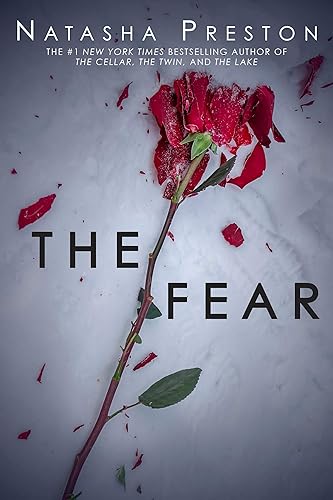
The Fear

The Fear

book

2022, Teen & Young Adult, Literature & Fiction

WISE
72%

WISE Score

4.4

Amazon

A viral meme turns into a literal hit list. It’s basically 'Scream' for the TikTok generation—fast, creepy, and a great reminder to set your profile to private.

Amazon4.4
Common Sense Media

Where to Read

Our reviews and ratings are 100% unbiased, but as an Amazon Associate, Screenwise earns an affiliate fee if you buy a book or game by clicking one of our links. We don't get any credit if you just Google it instead :)

Screenwise Verdict

Natasha Preston is the queen of the 'popcorn' thriller for a reason. This isn't high literature, and it's not trying to be. It's a fast-paced, slightly trashy (in the best way), and genuinely suspenseful ride.

If your teen is glued to their phone anyway, this is a solid way to get them to look at a physical page for a few hours. Just be prepared for them to be a little extra paranoid about their privacy settings afterward—which, honestly, might be the most 'enriching' part of the whole experience. It's a safe, engaging read that beats 'brain rot' scrolling any day.

Age Fit

Best for 13 and up. While marketed for grades 7+, the 'dying by your phobia' element and the psychological intensity make it a better fit for high schoolers or mature middle schoolers.

WISE Breakdown
Wholesome
48

It's a slasher in book form. While it doesn't promote 'bad' values, the central plot revolves around classmates being murdered based on their phobias. It's more about tension and scares than 'wholesome' character building.

Imaginative
78

The hook—a viral social media meme acting as a hit list for a killer—is a clever, modern update on the classic slasher trope. It uses digital culture in a way that feels relevant and creative for today's teens.

Safe
62

As a book, there's no visual gore, but the descriptions of death (drowning, spiders, etc.) are intense. It deals with psychological abuse and murder. It's safe for its intended YA audience, but not for younger kids who might stumble upon it.

Enriching
64

Beyond the entertainment value, it offers a stark (if exaggerated) lesson on digital privacy and the dangers of viral trends. It's also a high-engagement 'page-turner' that's great for reluctant readers.

Parent Info
✓

Why It Might Be Great

  • It’s a genuine page-turner that can hook even the most reluctant teen readers.
  • The 'death by phobia' hook is genuinely suspenseful and keeps you guessing the killer's identity.
  • It tackles the very real anxiety surrounding viral trends and the pressure to overshare online.
  • Great for fans of 'true crime' podcasts or modern slasher movies who want a similar vibe in a book.
⚠

What to Watch For

  • The deaths are tailored to personal fears, which can be triggering if your child shares those specific phobias (like spiders or drowning).
  • There is a persistent 'creepy guy' vibe and psychological tension throughout the mystery.
  • It's a thriller—don't expect a neat, happy ending for all the characters.

Conversation Starters

  • "Why do you think people feel the need to share everything—even their deepest fears—on social media?"
  • "If a meme like that started at your school, would you feel pressured to join in or would you ignore it?"
  • "How did the killer use the characters' digital footprints against them, and how can we be smarter about our own?"

Deep Dive

The "Popcorn Thriller" Sweet Spot

If your teen has already burned through the terrible secrets in The Lake, they know the Natasha Preston drill: a hooky premise, a high body count, and a protagonist who makes just enough questionable choices to keep the plot moving. The Fear doesn't try to reinvent the genre. It’s a slasher movie in book form, trading the masked killer in the woods for a killer who uses a TikTok-style meme to crowd-source a hit list.

The hook is vicious. In a small fishing town, a viral trend asks everyone to share their biggest phobia. Then, people start dying in ways that match their posts. It is a clever, if brutal, way to explore how much we volunteer about ourselves online. While some YA mysteries feel like they were written by people who haven't seen a smartphone since 2012, this one captures the specific, low-level anxiety of a digital footprint that can be used against you.

Why It Works for Reluctant Readers

Preston’s writing is designed for the short-attention-span era. The chapters are punchy, the dialogue is snappy, and the mystery moves at a clip that makes it hard to put down. If you have a kid who says they "hate reading" but will spend four hours watching true crime deep-dives on YouTube, this is the gateway book.

It hits that same dopamine button. You aren't here for the prose; you're here to find out if the "brooding cousin" Axel is a red herring or a psychopath, and whether Izzy can stop the killer before her own nightmare scenario comes true. It’s a great alternative for teens who want the psychological grit of the Naturals series but prefer a standalone story they can finish in a weekend.

The Friction Points

The "death by phobia" mechanic is the book's biggest strength and its biggest risk. Depending on what your teen finds genuinely upsetting, some of these scenes can feel much more personal than a standard mystery. We’re talking about characters facing their absolute worst-case scenarios, from drowning to spiders. It’s not "saw-level" gore, but the psychological cruelty of the killer’s method is what sticks.

If your kid is looking for something with a similar "high stakes, no escape" vibe but wants a sci-fi or dystopian edge, The Loop is a solid next step. It trades the small-town fishing vibes for a high-tech prison, but keeps that same "who can I trust?" tension that makes The Fear so addictive.

Beyond the Page

The best way to use this book isn't to lecture about internet safety, but to let the story do the heavy lifting. The characters in the book didn't do anything "wrong" by participating in a meme, but their transparency made them vulnerable. It’s a perfect setup for a casual conversation about why some things—like your deepest fears or your home address—don't belong in a public comment section.

You don't need to be a digital wellness expert to point out that the killer in The Fear didn't need to hack any servers; they just had to hit "refresh" on a social feed. That’s a much more effective privacy lesson than any white paper you’ll find.

Ask Anything

Get a personalized guide on any topic